Biophilic Design Trends Shaping Delray Beach Homes in 2026
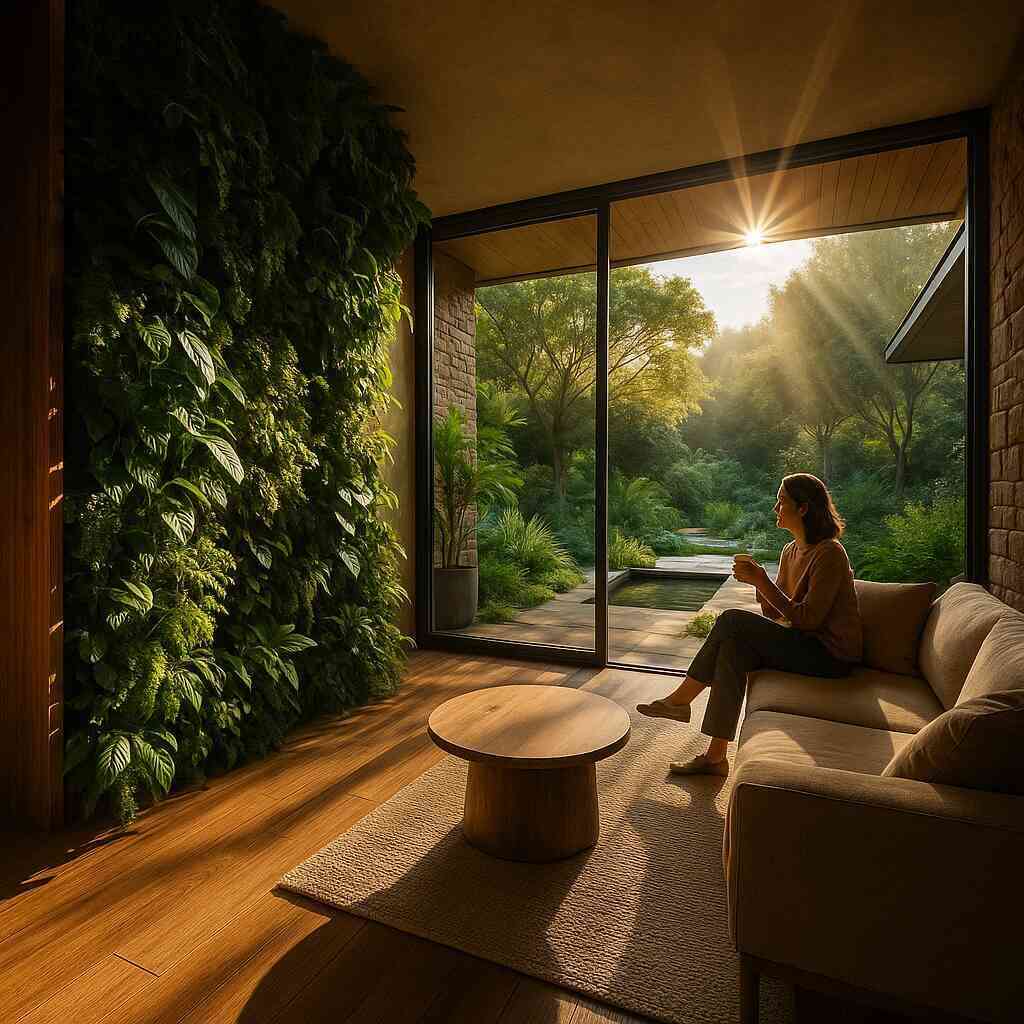
Biophilic Design Trends Shaping Delray Beach Homes in 2026
Biophilic design is one of the most significant shifts happening in residential renovation right now. Homeowners in Delray Beach, Florida are embracing this philosophy to create spaces that feel healthier, more grounded, and deeply connected to the natural world around them.
This overview breaks down the top 10 biophilic moves that Delray Beach Remodeling is bringing to life in 2026 — practical strategies that blend aesthetics, wellness, and sustainability into everyday living spaces.
What Is Biophilic Design?
At its core, biophilic design is the practice of integrating natural elements — light, greenery, water, organic textures, and open air — into the built environment. The goal is simple: help people feel more connected to nature, even indoors.
Research consistently supports the idea that nature-connected spaces reduce stress, improve focus, and boost overall well-being. Delray Beach's lush Florida landscape makes it an ideal location to pursue this design philosophy.
1. Living Walls: Vertical Gardens That Transform Rooms
Living walls are one of the most visually striking biophilic elements available. These vertical gardens bring dense greenery into interior spaces, improving air quality, reducing noise, and creating a calming visual anchor in any room.
Successful installation depends on choosing the right plants for available light, installing reliable irrigation, and integrating the wall with surrounding décor. A well-placed living wall can serve as a bold focal point or a subtle background texture depending on design goals.
2. Natural Light Optimization
Maximizing sunlight is foundational to biophilic design. Strategically placed windows, open floor plans, and reflective surfaces all help daylight travel deeper into a home.
Key features include:
- Large picture windows and sliding glass doors
- Skylights that flood interior ceilings with direct sunlight
- Light-colored walls and polished surfaces that bounce natural light
Beyond aesthetics, optimizing natural light reduces dependence on artificial lighting and lowers energy costs — a practical benefit that supports sustainable home design.
3. Indoor-Outdoor Living Connections
One of the most popular renovation directions in 2026 is dissolving the boundary between interior and exterior spaces. Open-plan layouts, retractable glass walls, and covered lanai extensions create fluid transitions that make nature feel like a room in the house.
This approach is especially effective in South Florida, where mild weather allows for year-round outdoor enjoyment.
4. Natural Materials Throughout the Home
Wood, stone, bamboo, and cork bring organic texture and warmth into living spaces. These materials age beautifully, carry a low environmental footprint when responsibly sourced, and reinforce the visual language of nature indoors.
Using natural materials in flooring, cabinetry, countertops, and wall treatments creates layered sensory richness that synthetic materials simply cannot replicate.
5. Water Features for Sensory Calm
The sound and sight of moving water has a measurable calming effect. Indoor fountains, wall-mounted water features, and exterior koi ponds or reflecting pools all deliver this benefit.
Even small water features placed near entryways or in reading nooks contribute meaningfully to the atmosphere of a home.
6. Biophilic Color Palettes
Colors drawn from nature — soft greens, warm earthy tones, sandy neutrals, ocean blues — reinforce the connection to the environment without requiring structural changes. Pairing these with natural materials and textures creates a cohesive, restful visual environment.
7. Native Plant Landscaping
Outdoor spaces benefit enormously from thoughtful planting. Using native Florida plants reduces water consumption, supports local ecosystems, and requires less maintenance than non-native species. Native landscaping also creates a natural visual buffer that softens architectural lines.
8. Sustainable Renovation Practices
Biophilic design and sustainable building go hand in hand. Choosing low-VOC paints, recycled materials, energy-efficient systems, and responsibly sourced wood keeps the renovation aligned with environmental values — not just aesthetic ones.
9. Organic Shapes and Forms
Strict geometry can feel cold. Incorporating curved furniture, arched doorways, and organic forms softens a space and mirrors the irregular beauty found in nature. This shift away from hard angles contributes to a more welcoming, human-centered environment.
10. Sensory Layering: Texture, Scent, and Sound
True biophilic design engages all the senses. Layering rough and smooth textures, introducing natural scents through plants or wood, and managing acoustics with soft materials all contribute to a richer, more immersive living experience.
Why Biophilic Design Makes Sense for Delray Beach Homeowners
Delray Beach sits in one of the most naturally beautiful regions of Florida. Its proximity to the Atlantic coast, tropical flora, and warm climate makes biophilic renovation not just a trend but a logical extension of the environment itself.
Homeowners who invest in these strategies in 2026 are not just following a design movement — they are building spaces that feel genuinely better to live in, day after day.
Whether the goal is a single living wall or a full indoor-outdoor renovation, the principles outlined here offer a clear path toward a home that feels as good as it looks.
Top 10 Biophilic Moves by Delray Beach Remodeling 2026


Comments
Post a Comment