Building Codes Boynton Beach Remodelers Must Follow in 2026
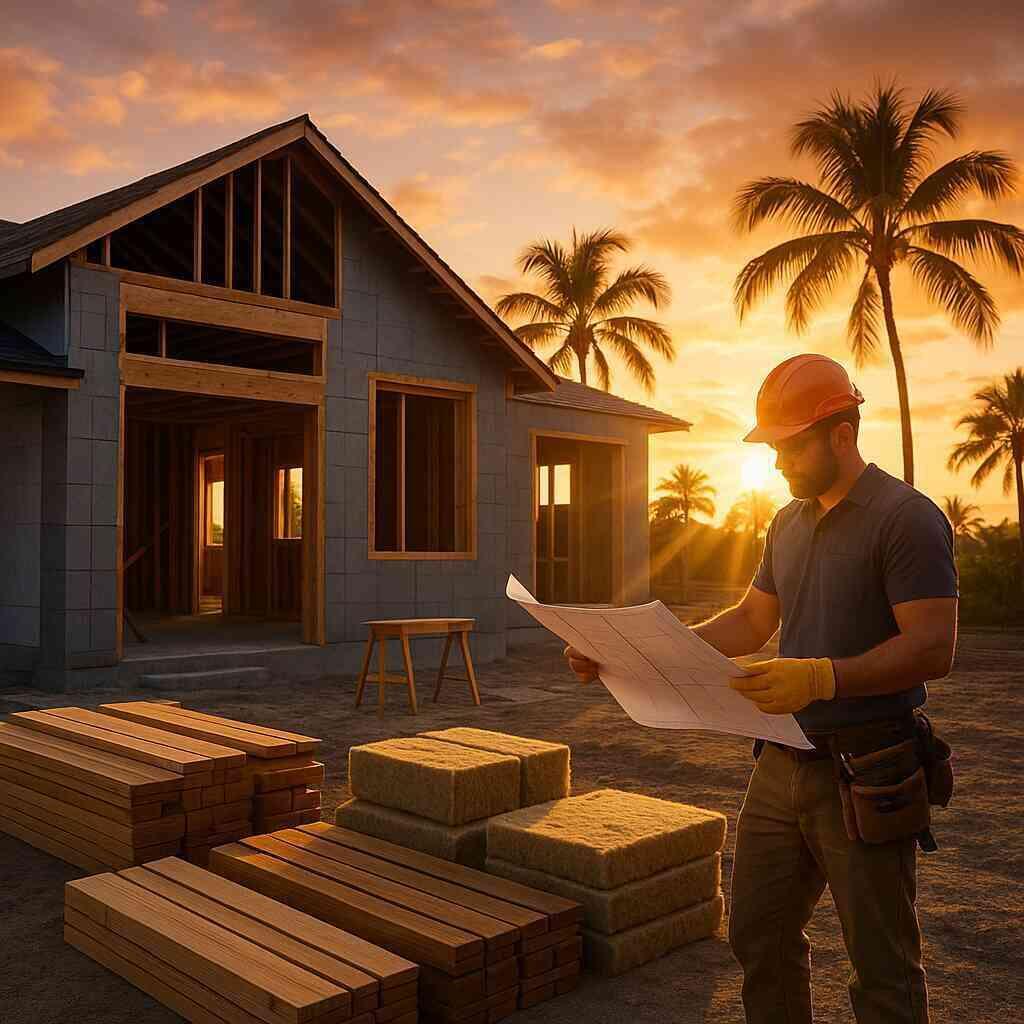
Building Codes Boynton Beach Remodelers Must Follow in 2026
If you are planning a remodeling project in Boynton Beach, understanding the local building codes is not optional — it is foundational. These regulations shape every phase of construction, from the materials you use to the permits you pull. This overview breaks down what remodelers need to know to stay compliant and deliver quality results in 2026.
Why Building Codes Matter for Every Remodeling Project
Building codes exist to protect people. They set the baseline for structural integrity, fire safety, energy use, and environmental impact. In Boynton Beach, these codes draw from Florida's statewide construction standards and local ordinances, creating a layered set of requirements that apply to both residential and commercial projects.
Ignoring or misunderstanding these codes can lead to failed inspections, costly delays, or even legal liability. Working with a licensed contractor who understands local regulations is one of the most practical ways to avoid those outcomes.
The Permit Process: What Remodelers Need to Know
Securing permits is one of the first and most important steps in any Boynton Beach remodel. The permit process verifies that planned work meets established standards before construction begins.
Here is what is typically involved:
- Application submission — Documentation of the project scope, materials, and design plans
- Plan review — Local authorities assess whether the plans meet current code requirements
- Approval and issuance — Once approved, work can begin within the permitted scope
- Inspections — Inspectors verify that actual construction matches the approved plans
Delays in permitting are common and usually stem from incomplete documentation or plans that do not meet current standards. Experienced remodelers prepare thoroughly to avoid these setbacks.
Florida's Statewide Construction Standards
Florida enforces some of the most comprehensive construction standards in the country. These rules address everything from load-bearing requirements to moisture control, and they reflect the state's unique climate challenges — heat, humidity, and storm risk.
For Boynton Beach remodelers, staying current with Florida's standards means:
- Using approved materials suited to the local climate
- Following installation practices that meet or exceed minimum requirements
- Keeping up with code updates that roll out on a regular cycle
These standards are not static. Codes are revised periodically, and remodelers must stay informed to maintain compliance on every project.
Safety Standards: A Non-Negotiable Priority
Safety is woven into every layer of Boynton Beach's building code requirements. This includes fire resistance ratings for materials, proper egress in residential spaces, electrical safety standards, and structural load requirements.
For remodelers, meeting these standards means more than just passing inspection. It means delivering a finished space that protects the people who live or work in it. That commitment to safety is what separates professional, licensed contractors from those who cut corners.
Energy Efficiency Requirements in 2026
Energy codes have grown significantly more detailed in recent years. In 2026, Boynton Beach remodelers are expected to meet Florida's updated energy efficiency requirements, which cover:
- Insulation — Proper R-values for walls, ceilings, and floors
- Windows and doors — Impact-rated and energy-efficient glazing specifications
- HVAC systems — Efficiency ratings and proper sizing for the local climate
- Lighting — LED and energy-smart lighting installations
These requirements reduce long-term utility costs for property owners while contributing to broader environmental goals. For homeowners, choosing energy-compliant upgrades is a practical investment with measurable returns.
Hurricane-Resistant Construction: A Regional Imperative
Boynton Beach sits in a region that takes hurricane preparedness seriously. Building codes here reflect that reality. Remodelers must follow hurricane-resistant construction practices that include:
- Impact-resistant windows and doors
- Roof-to-wall connection reinforcements
- Water intrusion barriers and proper drainage design
- Wind-load rated materials and fastening systems
These measures are not just regulatory requirements — they are practical protections for property and lives. A home or commercial building constructed with these standards in mind has a much better chance of surviving a major storm with minimal damage.
Residential vs. Commercial Code Differences
Not all remodeling projects fall under the same code framework. Residential and commercial properties have distinct requirements in several areas, including occupancy limits, accessibility standards, fire suppression systems, and electrical capacity.
Understanding which codes apply to your specific project type is essential. A contractor experienced with both residential and commercial remodeling in Boynton Beach will know how to navigate these distinctions without slowing down the project.
Working With Knowledgeable Professionals
Compliance is not just about checking boxes. It reflects the quality and professionalism of the work being done. Remodelers who stay current with Boynton Beach building codes bring real value to every project — they protect their clients from risk, maintain timelines, and deliver work that holds up to scrutiny.
If you are planning a remodel in 2026, partnering with a contractor who treats code compliance as a core part of the job is one of the smartest decisions you can make.
What Building Codes Boynton Beach Remodelers Follow in 2026


Comments
Post a Comment