Choosing the Right Coastal Build Materials for Delray Beach Homes
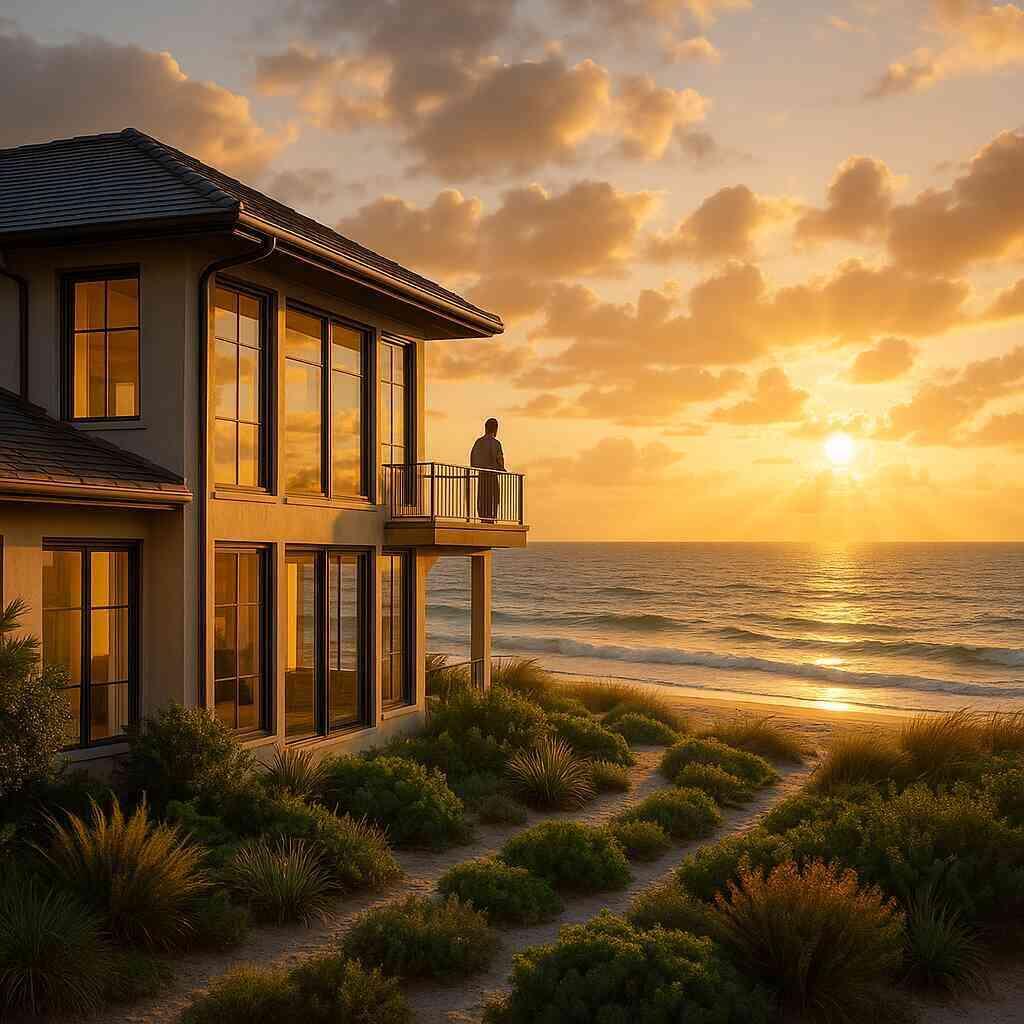
Choosing the Right Coastal Build Materials for Delray Beach Homes
Building a custom home along the Delray Beach coastline requires far more than good design instincts. The materials you choose directly determine how well your home holds up against salt air, humidity, UV exposure, and storm conditions. This overview breaks down how experienced builders in Delray Beach approach material selection for coastal construction.
Why Coastal Material Selection Is Different
Not every building material performs the same way near the ocean. Coastal environments introduce a combination of stressors that inland construction simply does not face at the same intensity.
Those stressors include:
- Persistent salt air that accelerates corrosion in metals and degrades finishes
- High humidity levels that promote moisture intrusion, mold, and wood rot
- Intense UV radiation that fades colors and weakens certain polymers and finishes
- Storm and wind loads that test the structural integrity of every component
Delray Beach sits in a climate zone where all of these factors are present year-round. Choosing materials without accounting for them leads to expensive repairs and shortened building lifespans.
The Core Principles Behind Coastal Material Choices
Durability Over Appearance Alone
A beautiful material that fails in five years is never a good investment. Experienced coastal builders prioritize materials that maintain both their structural integrity and their appearance over time. This means selecting products specifically rated or engineered for marine and coastal environments.
Low Maintenance Without Sacrificing Quality
Homeowners in coastal areas often face higher ongoing maintenance costs than those in inland locations. Smart material selection upfront reduces that burden. Composite decking, non-corrosive hardware, and factory-finished exterior siding are all examples of choices that limit the maintenance cycle without cutting corners on quality.
Integration With Architectural Style
Delray Beach homes tend to blend open, airy layouts with natural textures and a refined coastal aesthetic. The right materials should support that visual identity while handling the environment. This is not an either-or decision — with the right product knowledge, builders can meet both goals simultaneously.
Key Material Categories in Coastal Home Construction
Exterior Cladding and Siding
The exterior shell of a coastal home takes the most direct environmental punishment. Common choices include fiber cement siding, which resists moisture and insects, and engineered wood products treated for coastal exposure. Stucco systems with modern elastomeric coatings are also widely used in South Florida because they perform well against humidity and expand without cracking.
Roofing Materials
Impact-resistant roofing is not optional in areas prone to tropical storms and hurricanes. Metal roofing has become increasingly popular in Delray Beach custom homes because it handles wind, rain, and UV exposure exceptionally well. Concrete tile roofing is another durable option with a long service life when properly installed.
Structural and Framing Components
Pressure-treated lumber, engineered lumber products, and steel framing are all used depending on the project scope. In areas with high moisture exposure, builders often choose materials that won't warp, swell, or attract termites over time. Stainless steel fasteners and galvanized connectors are standard practice where corrosion is a concern.
Windows and Glazing
Impact-resistant glass is both a safety requirement and a practical investment in coastal Florida. Modern low-E glass also reduces heat gain, which matters in a region with intense year-round sun. Large window openings are a signature of coastal architecture, so the glazing system must perform at a high level on multiple fronts.
Flooring and Interior Finishes
Inside the home, moisture-resistant flooring options such as porcelain tile, luxury vinyl plank, and sealed concrete are popular choices. These materials handle tracked-in sand and water without warping or staining. Natural stone is also used extensively in high-end coastal builds, offering both durability and visual elegance.
Balancing Budget and Performance
High-performance coastal materials often come with higher upfront costs. That said, the long-term math frequently favors the investment. Materials that require less maintenance, resist deterioration, and carry stronger warranties tend to offer better value over the full life of the home.
Working with a builder who understands the local environment helps ensure that budget decisions are based on real-world performance data rather than general assumptions.
Final Thoughts
Material selection in coastal construction is one of the most consequential decisions in the entire building process. In Delray Beach, where environmental demands are high and design expectations are equally elevated, getting this right requires both technical knowledge and local experience. Understanding the why behind each material choice helps homeowners make informed decisions that support both the beauty and the longevity of their investment.
How Delray Beach Custom Home Selects Coastal Build Materials


Comments
Post a Comment