Custom Home Costs in Boynton Beach: A 2026 Budget Guide
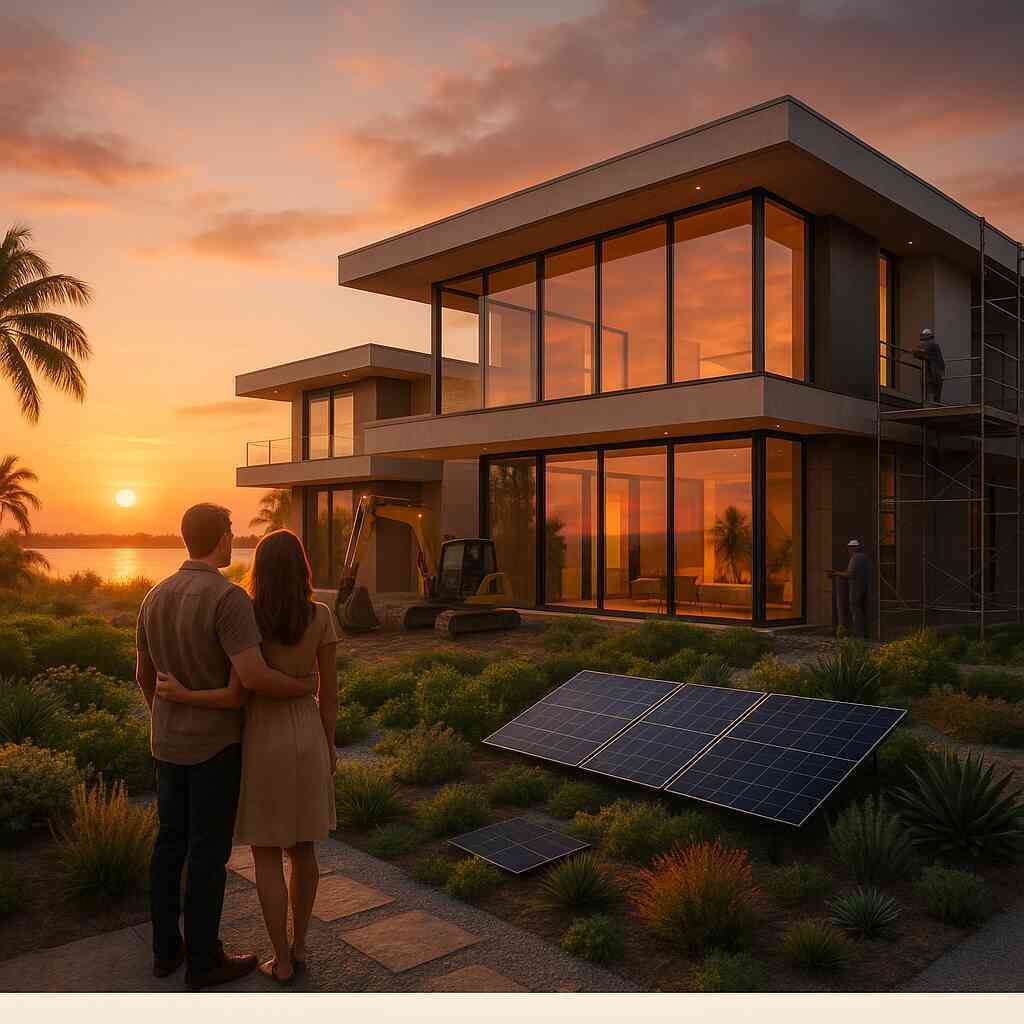
Custom Home Costs in Boynton Beach: A 2026 Budget Guide
Building a custom home in Boynton Beach involves far more than choosing a floor plan and picking out finishes. Understanding where the money actually goes — and how local conditions shape the numbers — is essential before breaking ground in 2026.
What Drives Custom Home Costs in Boynton Beach
Boynton Beach sits in a high-demand corridor of South Florida, and that location has a direct impact on construction budgets. Several interconnected factors shape what you will ultimately spend.
Land and Location
The cost of the lot itself is one of the largest line items. Neighborhoods closer to the waterfront or with established amenities command premium prices. Even parcels slightly inland can vary widely depending on zoning, flood zone designation, and nearby development activity.
Labor and Materials
South Florida's construction market remains competitive. Skilled tradespeople — framers, electricians, plumbers, tile setters — are in steady demand. That demand keeps labor rates elevated compared to many other parts of the country.
Material costs in 2026 continue to reflect broader supply chain realities. Common budget-influencing choices include:
- Roofing materials — Metal roofing and impact-resistant shingles are popular in South Florida for durability and insurance benefits.
- Concrete and block construction — Standard in Florida due to hurricane code requirements, which adds both cost and long-term value.
- Flooring and cabinetry — Wide variation exists here depending on grade and custom detailing.
- Windows and doors — Impact-rated products are essential in this region and represent a meaningful budget item.
Architectural Design and Engineering
Custom homes require custom plans. Architect fees, structural engineering, and soil reports add to the pre-construction budget. These costs are often underestimated but are non-negotiable for a compliant, well-built home.
The Construction Cost Breakdown: Phase by Phase
A useful way to think about custom home costs is to organize them by phase.
Pre-Construction
- Land acquisition
- Surveys and soil testing
- Architectural and engineering plans
- Permit applications and fees
Foundation and Structure
- Site preparation and clearing
- Foundation work (slab, stem wall, or pilings depending on flood zone)
- Framing and structural components
Mechanical, Electrical, and Plumbing (MEP)
- Rough-in work for all systems
- HVAC sizing and installation — critical in South Florida's climate
- Electrical panel and wiring
- Plumbing rough-in and fixtures
Exterior and Envelope
- Roofing
- Windows and exterior doors
- Stucco or siding finishes
- Garage and driveway
Interior Finishes
- Insulation and drywall
- Flooring throughout
- Kitchen and bath cabinetry
- Countertops, tile work, and trim
- Paint and final detailing
Site Work and Landscaping
- Grading and drainage
- Irrigation and sod
- Pool or outdoor living additions (if applicable)
Each phase carries its own variables. Budget buffers of 10 to 15 percent above estimated costs are commonly recommended to account for unforeseen conditions.
Navigating Permits and Building Codes
Florida's building codes are among the most stringent in the country, shaped largely by hurricane preparedness requirements. In Boynton Beach specifically, permits are required at multiple stages of construction. Delays in permit approval can directly impact your project timeline and budget.
Working with a general contractor who has established relationships with local building departments can meaningfully reduce administrative friction. Understanding what inspections are required — and when — helps keep the schedule on track.
Luxury Features and Customization Costs
For homeowners pursuing a higher-end build, certain upgrades come with proportionally higher costs.
- Smart home integration — Automated lighting, security, climate, and entertainment systems
- Home theaters and media rooms — Custom acoustics and equipment add significant cost
- Wellness spaces — Home gyms, saunas, and spa bathrooms
- Outdoor living areas — Summer kitchens, pergolas, and pools
- Solar energy systems — Increasingly common and often offset by long-term savings
These features reflect a growing lifestyle preference in Boynton Beach, where the indoor-outdoor connection is a natural part of daily living.
Cost-Effective Strategies Worth Considering
A larger budget does not always produce a better outcome. Smart planning often delivers more value than simply spending more.
- Finalize your design before construction begins. Change orders mid-build are one of the most common sources of cost overruns.
- Choose materials with long-term durability in mind. South Florida's humidity and storm exposure make material quality especially relevant.
- Hire local professionals. Contractors familiar with Palm Beach County permitting and climate conditions bring efficiency that saves both time and money.
- Phase optional upgrades. Some features can be added after the initial build without significant penalty.
Property Values and Long-Term Investment
Boynton Beach has seen steady property value appreciation, making a well-planned custom home a sound long-term investment. Choosing the right location, designing for durability, and building to current code all contribute to a home that holds and grows its value over time.
Understanding the relationship between construction costs and resale potential is something experienced local builders can help clarify during the planning process.
Final Thoughts
The real cost of a custom home in Boynton Beach in 2026 depends on dozens of intersecting decisions — from lot selection and plan complexity to material grades and finish levels. A clear-eyed breakdown of each phase, combined with realistic contingency planning, puts homeowners in the best position to build successfully and confidently.
What Is the Real Cost of a Custom Home in Boynton Beach 2026


Comments
Post a Comment