Florida Building Codes in 2026: What Every Remodeler Should Know
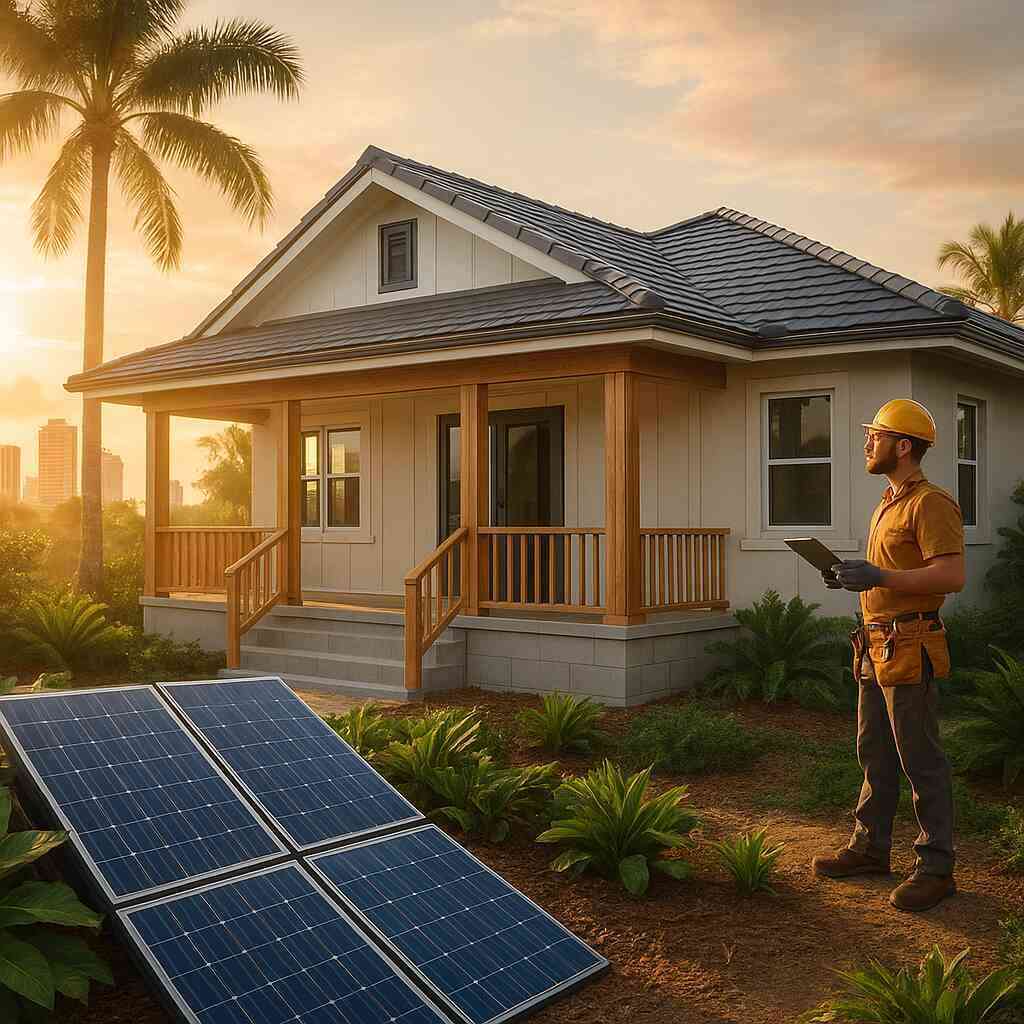
Florida Building Codes in 2026: What Every Remodeler Should Know
If you are planning a home or commercial renovation in Florida this year, understanding the current building codes is one of the most important steps you can take. Florida's 2026 construction standards affect everything from structural requirements to energy efficiency, and staying informed helps you avoid costly delays, failed inspections, and safety risks.
Why Building Codes Matter More in Florida
Florida's climate creates challenges that most other states simply do not face. Hurricane-force winds, intense heat, heavy rainfall, and high humidity all place unique demands on buildings. Building codes in Florida reflect those realities. They are not arbitrary rules — they are minimum safety benchmarks developed over decades of hard-won experience.
In areas like West Palm Beach and the broader South Florida region, these codes carry extra significance. A home or commercial space that does not meet current standards may be structurally vulnerable, energy-inefficient, or difficult to insure. Compliance protects both the investment and the people inside the building.
What the 2026 Standards Focus On
Florida's updated construction standards for 2026 address several key areas:
- Wind resistance: Structures must be built or reinforced to withstand high winds, particularly in coastal and low-lying areas prone to tropical storms.
- Energy efficiency: New requirements push for better insulation, window performance, and HVAC systems that reduce energy consumption over time.
- Sustainability: There is growing emphasis on using materials and methods that reduce environmental impact without sacrificing durability.
- Structural integrity: Load-bearing elements, foundations, and roofing systems must meet updated performance standards.
These updates are not just bureaucratic changes. They represent a shift toward building homes and commercial spaces that perform better over the long term, especially under the stress of severe weather events.
Permits and Local Regulations
One area where homeowners often get caught off guard is the permitting process. Florida requires permits for most significant renovation work, including additions, structural changes, electrical upgrades, plumbing modifications, and roofing work. Skipping this step is a serious mistake.
Unpermitted work can create problems when you go to sell the property. It may also leave you liable if something goes wrong during or after the renovation. Local municipalities like West Palm Beach have their own ordinances that work alongside state codes, so understanding both levels of regulation is essential.
Working with a licensed contractor who is familiar with local permit requirements is one of the most practical ways to stay on track. A knowledgeable team can manage the paperwork, coordinate inspections, and ensure every phase of the project meets current standards before work begins.
Structural Integrity: A Non-Negotiable Priority
Before any renovation gets underway, a thorough assessment of the existing structure is critical. Older homes in particular may have been built to standards that no longer meet current code. Reinforcing foundations, updating load-bearing walls, and addressing roofing systems are common needs that surface during pre-renovation evaluations.
This is not just about compliance. A structurally sound building is safer, more comfortable, and more resilient over time. Cutting corners here creates risk that compounds over years.
Sustainable Materials and Energy Performance
The 2026 standards encourage the use of eco-friendly and energy-efficient materials. This includes recycled content products, low-VOC finishes, high-performance insulation, and energy-efficient windows and doors.
These choices benefit homeowners in concrete ways:
- Lower energy bills over time
- Improved indoor air quality
- Reduced maintenance needs
- Better alignment with modern insurance and appraisal standards
Sustainability is no longer a niche preference. It is becoming a baseline expectation in quality renovation work, and the building codes are moving in the same direction.
Planning Your 2026 Remodel with Compliance in Mind
The best time to think about code compliance is before the project starts — not after a failed inspection. Here are a few practical steps to consider:
- Consult a licensed Florida contractor early in the planning process to review what permits and inspections will be required.
- Budget for compliance-related costs, including permit fees, code-required materials, and any structural upgrades identified during pre-construction assessment.
- Document everything, from permit applications to inspection sign-offs, especially if you plan to sell the property in the future.
- Ask questions about materials, particularly around wind resistance ratings, energy performance, and sustainability credentials.
Final Thoughts
Florida's building codes exist to protect people and property in a state where the weather can be unforgiving. The 2026 updates raise the bar in meaningful ways, particularly around energy efficiency, wind resistance, and sustainable construction. Understanding what those standards require — and working with professionals who know how to meet them — makes the difference between a remodel that holds up and one that creates problems down the road.
What Florida Building Codes Mean for Your 2026 Remodel


Comments
Post a Comment