How RENOVA Builds Sustainable Office Shells in Wellington
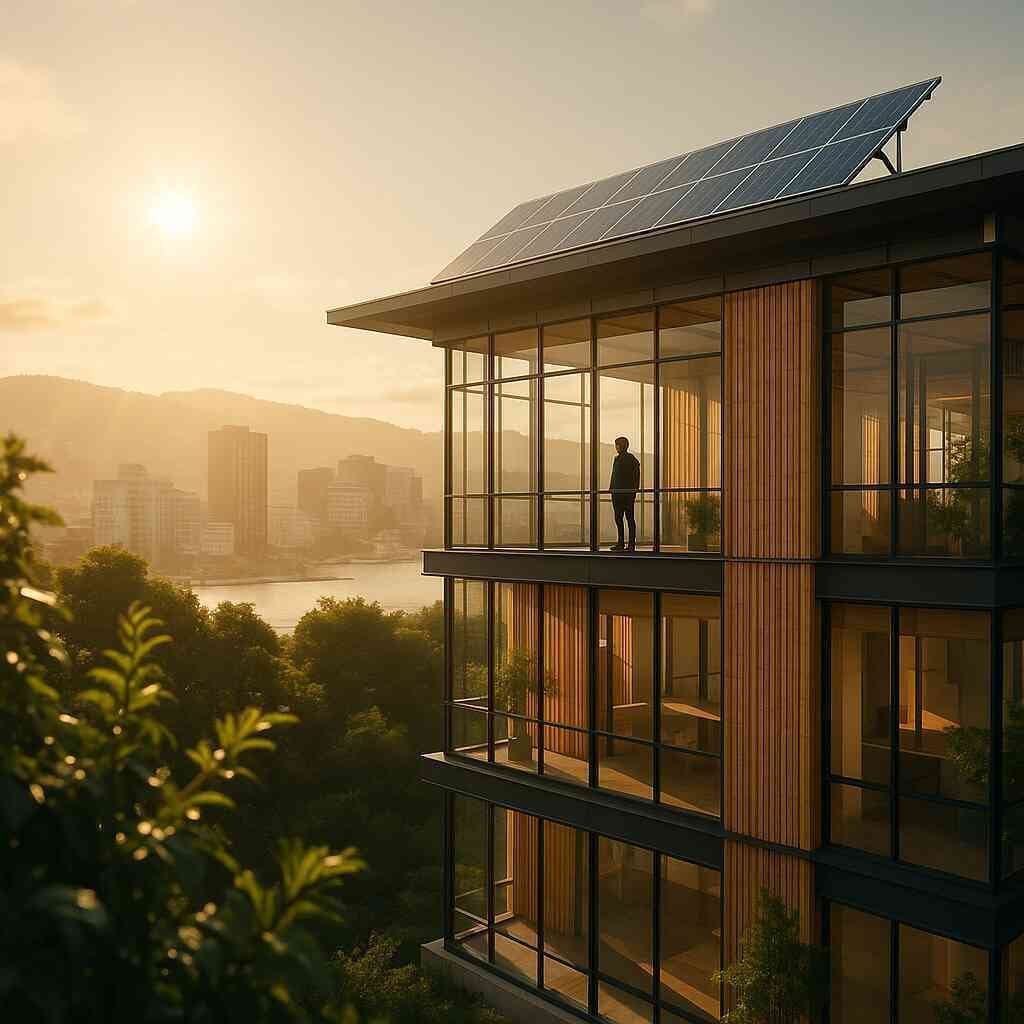
How RENOVA Builds Sustainable Office Shells in Wellington
Sustainable office construction in Wellington is no longer a niche concept — it has become a core expectation for modern commercial development. RENOVA is leading this shift by designing and building office shells that prioritize environmental responsibility, energy efficiency, and long-term performance.
This overview breaks down the key strategies, materials, and methods that define RENOVA's approach to sustainable office shells in Wellington.
Why Sustainable Office Design Matters in 2026
Businesses today face increasing pressure to reduce their environmental impact. Sustainable office design responds to that pressure in a practical way — by embedding efficiency directly into the structure of a building.
The benefits extend well beyond environmental compliance:
- Lower long-term operating costs through reduced energy consumption
- Healthier work environments that support employee wellbeing
- Stronger alignment with corporate sustainability goals
- Greater resilience as energy demands and regulations evolve
Wellington's commercial sector is actively seeking construction partners who can deliver on these priorities. RENOVA has built its practice around meeting exactly that demand.
Renewable Energy Integration
One of the most impactful ways to build a sustainable office shell is by planning for renewable energy from the ground up. RENOVA incorporates solar panel systems and energy-efficient infrastructure into office developments during the design phase — not as an afterthought.
This forward-thinking approach reduces dependence on conventional energy sources and positions each office building as a long-term, cost-efficient asset. When renewable energy is baked into the structure itself, operational savings compound over time.
Eco-Friendly Building Materials
The materials used in construction have a direct impact on both environmental outcomes and indoor quality. RENOVA's green construction approach relies on materials that minimize harm at every stage — from sourcing to installation.
Commonly used eco-conscious materials include:
- Recycled steel — reduces demand for raw extraction and carries a lower carbon footprint
- Bamboo — a rapidly renewable resource with strong structural applications
- Low-VOC paints and finishes — improve indoor air quality for building occupants
- Sustainably sourced lumber — where wood products are necessary, responsible sourcing is prioritized
Using these materials does not require sacrificing quality or aesthetics. RENOVA's projects demonstrate that green construction and high design standards can coexist effectively.
Designing for Energy Efficiency
Energy-efficient office spaces require a holistic design strategy. It is not enough to add efficient fixtures after the fact. The building itself needs to be designed to perform.
RENOVA applies several interconnected strategies to achieve this:
- Natural light optimization — thoughtful window placement and orientation reduces the need for artificial lighting
- Advanced insulation systems — maintain stable interior temperatures and reduce HVAC load
- Smart building technologies — automated systems manage energy use based on occupancy and real-time conditions
- Energy-saving HVAC solutions — modern heating and cooling systems that respond efficiently to demand
The result is an office environment that costs less to operate and adapts more smoothly to changing usage patterns.
Low-Impact Construction Methods
How a building is constructed matters just as much as what it is made of. RENOVA uses low-impact construction methods to reduce the environmental disruption caused by the building process itself.
Key techniques include:
- Modular construction — components are prefabricated off-site, reducing waste and on-site disturbance
- Prefabrication — improves precision, shortens timelines, and lowers material waste
- Careful site management — minimizes land disturbance and protects surrounding ecosystems
These approaches also tend to improve project efficiency, which benefits clients through more predictable timelines and tighter cost control.
Office Space Optimization
Sustainability is not only about materials and energy — it also involves how space is used. RENOVA's construction management strategy includes deliberate office space optimization, ensuring that every square foot of a Wellington office shell serves a clear purpose.
Well-optimized spaces reduce unnecessary square footage, which in turn reduces the resources needed to build, heat, cool, and maintain the building over its lifetime.
The Bigger Picture
RENOVA's blueprint for sustainable Wellington office shells reflects a broader shift in how commercial construction is approached. Sustainability is no longer a checkbox — it is a foundational principle that shapes every decision from site selection to material choice to construction method.
For businesses and developers looking to build offices that are efficient, responsible, and built to last, understanding these principles is a useful starting point. Each element — renewable energy, eco-friendly materials, smart design, and low-impact methods — works together to create office environments that perform well today and remain relevant for years to come.
RENOVA Blueprint for Sustainable Wellington Office Shells


Comments
Post a Comment