How RENOVA Modular Builds Are Reshaping Parkland Schools
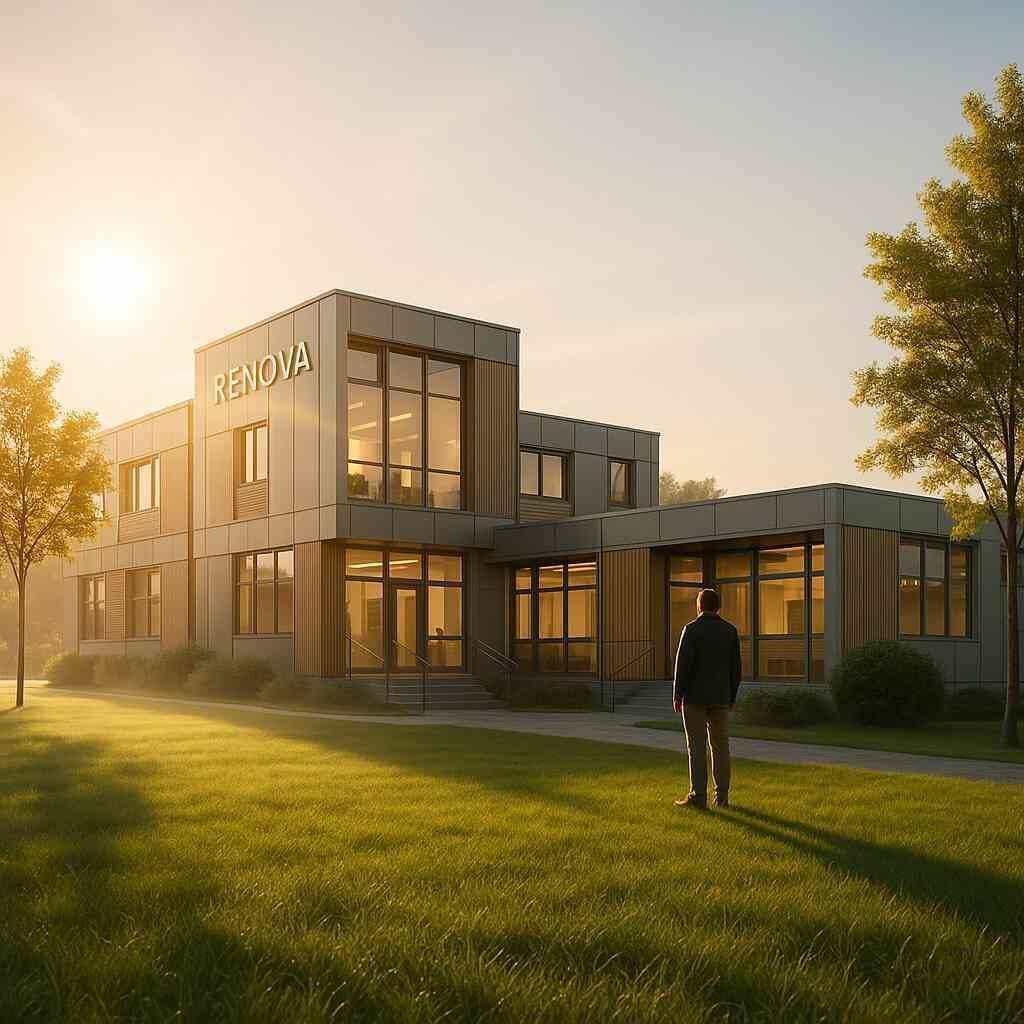
How RENOVA Modular Builds Are Reshaping Parkland Schools
Modular construction is changing the way schools are built in Parkland, Florida — and RENOVA is leading the charge. This overview breaks down what modular builds mean for educational facilities, why they matter, and how they deliver real benefits for students, staff, and communities.
Why Traditional School Construction Is Falling Behind
South Florida's population continues to grow, and educational infrastructure has to keep pace. Traditional construction methods are often too slow, too costly, and too disruptive for schools that need to stay operational during building projects.
Parkland schools face a specific challenge: growing enrollment combined with high expectations for learning environments. Waiting years for a new wing or classroom building simply isn't practical. That's where modular construction steps in as a smarter alternative.
What Is Modular School Construction?
Modular construction involves building individual sections — or modules — off-site in a controlled factory environment. These prefabricated units are then transported and assembled on location.
This approach offers several clear advantages over traditional builds:
- Faster timelines. Because modules are built simultaneously with site preparation, overall project duration drops significantly.
- Reduced on-site disruption. Less heavy equipment and fewer workers on campus during school hours.
- Consistent quality. Factory-controlled environments reduce the variability that comes with outdoor construction.
- Cost efficiency. Streamlined processes and predictable labor help keep budgets on track.
The result is a completed facility that meets the same structural and safety standards as any conventionally built school — often delivered in a fraction of the time.
RENOVA's Role in Parkland Educational Facilities
RENOVA has built a strong reputation in South Florida by combining construction expertise with a genuine understanding of what schools need. Their modular builds aren't cookie-cutter solutions. Each project is designed to align with the specific educational goals and spatial requirements of the school involved.
Their team focuses on three core principles when approaching school construction:
- Flexibility — Designing spaces that can adapt as teaching methods and curricula evolve.
- Sustainability — Using eco-friendly materials and energy-efficient building systems.
- Precision — Maintaining high-quality standards at every phase of design and assembly.
This combination allows RENOVA to deliver facilities that feel purposeful and permanent, even though they're built faster than traditional methods would allow.
The Case for Adaptive Learning Spaces
One of the biggest shifts in education right now is the move toward adaptive learning environments. Classrooms are no longer just rows of desks facing a whiteboard. Modern schools need spaces that support group collaboration, individual focus, hands-on projects, and technology integration — sometimes all in the same room.
Modular construction is especially well-suited for this. Walls, layouts, and configurations can be designed with future flexibility in mind. As educational needs shift over the next decade, these spaces can be reconfigured rather than rebuilt from scratch.
RENOVA builds with this in mind from the start, creating environments that aren't locked into a single function.
Sustainability as a Standard, Not an Add-On
Green building practices are increasingly expected — not optional — in modern school construction. RENOVA integrates sustainable construction principles throughout their modular projects, including:
- Energy-efficient systems that reduce long-term operating costs for school districts.
- Environmentally responsible materials that support indoor air quality and student health.
- Reduced construction waste due to the precision of factory-based fabrication.
For schools that serve as community anchors, building sustainably also sends an important message to students about environmental responsibility.
What This Means for Parkland Families and Educators
For parents and teachers in Parkland, RENOVA's modular approach translates into real, practical outcomes:
- Less construction disruption during the school year.
- Better-equipped classrooms designed for how students actually learn today.
- Facilities that grow alongside the school community without requiring full rebuilds.
This isn't just a construction trend — it's a meaningful shift in how communities invest in their schools.
Final Thoughts
Modular construction for schools represents a genuine evolution in educational infrastructure. RENOVA's work in Parkland demonstrates that speed, quality, and sustainability don't have to be competing priorities — they can all be achieved together.
For school districts navigating growth, budget constraints, and the demand for modern learning environments, modular builds offer a path forward that traditional construction simply can't match. RENOVA's expertise in this space makes them a strong resource for communities looking to build smarter, faster, and more responsibly.
Understanding RENOVA Modular Builds for Parkland Schools


Comments
Post a Comment