How RENOVA Uses AI to Strengthen Construction Site Safety
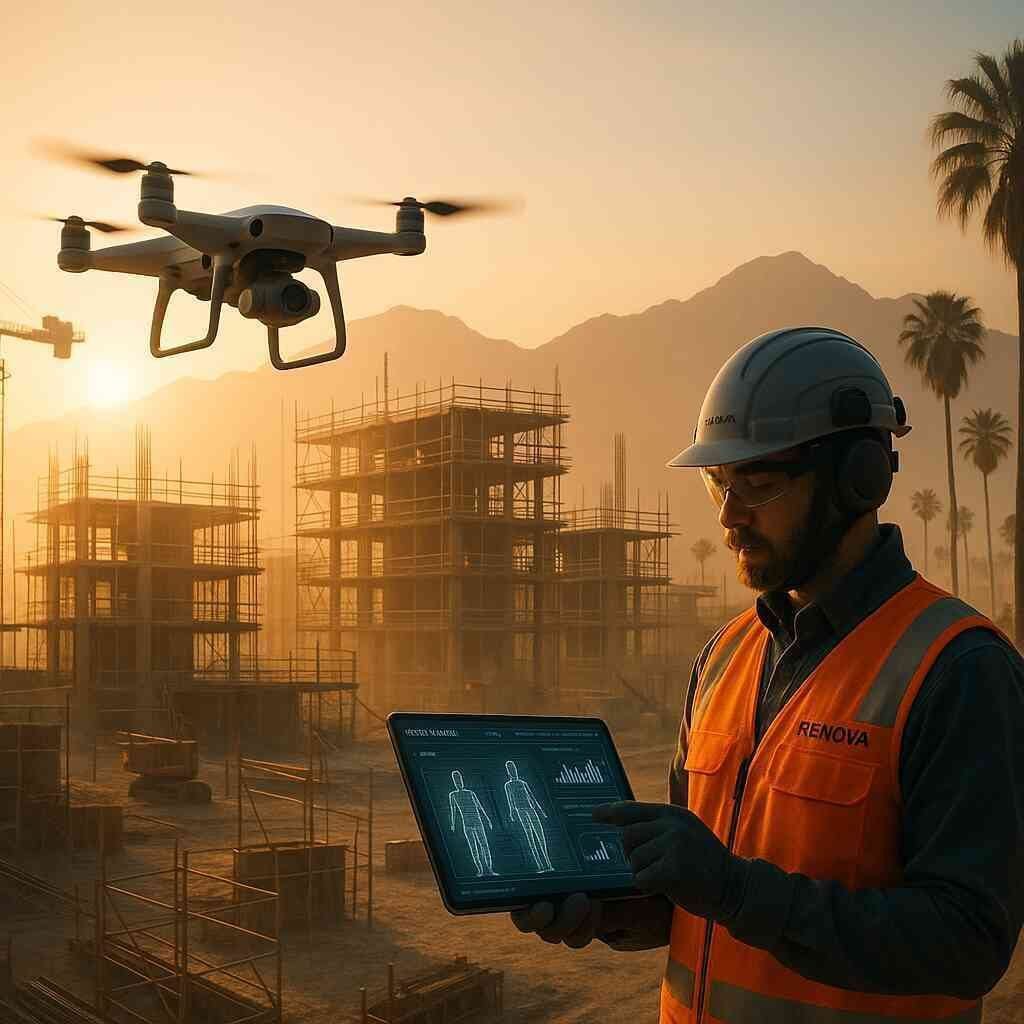
How RENOVA Uses AI to Strengthen Construction Site Safety
Artificial intelligence is reshaping how construction companies approach safety, and RENOVA is leading the way in Palm Springs. By deploying AI-powered tools and smart protocols, RENOVA is setting a higher standard for worker protection and project management in Palm Beach County.
The Shift Toward AI-Driven Safety in Construction
Construction has always carried inherent risks. For decades, safety relied heavily on manual inspections, paper-based reporting, and reactive responses to incidents. That model is being replaced.
Today, AI construction safety technologies allow companies to monitor job sites continuously, identify hazards before they escalate, and make data-informed decisions in real time. The result is a smarter, more proactive safety environment — one that protects workers and keeps projects on track.
RENOVA recognized this shift early and built it into their operational approach.
RENOVA's Commitment to Technology-First Construction
Based in South Florida, RENOVA has built a reputation for combining craftsmanship with forward-thinking technology. Their investment in AI is not a novelty — it is a core part of how they plan, manage, and deliver construction projects.
The goal is straightforward: use the best available tools to protect people and improve outcomes. AI fits that mission well. It provides construction teams with better information, faster alerts, and smarter planning capabilities that simply were not possible with older methods.
This mindset shapes every project RENOVA takes on, including their current work in Palm Springs.
The Palm Springs Project as a Model for AI Safety Integration
The Palm Springs project is a practical example of what AI-driven safety looks like in action. It is a significant undertaking in Palm Beach County, and RENOVA has used it as an opportunity to deploy AI tools across multiple layers of the construction process.
Rather than treating safety as a checklist item, RENOVA has built it into the project's DNA — from initial planning through day-to-day site operations.
AI-Powered Tools Transforming the Job Site
Several key technologies are making a measurable difference on RENOVA's projects:
- Drones — Used for aerial site monitoring, drones provide a bird's-eye view of the construction area. They can detect unsafe conditions, track progress, and reach areas that are difficult or dangerous to inspect on foot.
- Smart Sensors — Installed throughout the site, these sensors monitor environmental conditions, equipment status, and structural changes in real time.
- Predictive Analytics Software — By analyzing historical and real-time data, this software helps project managers anticipate risks before they become incidents.
- Real-Time Alert Systems — When a hazard is detected, AI systems can immediately notify the relevant team members, enabling a fast response.
Together, these tools create a safety infrastructure that is active around the clock — not just during scheduled inspections.
Smart Safety Protocols Backed by Data
AI does more than collect data — it helps teams act on it. RENOVA uses smart safety protocols that are continuously updated based on what the AI systems detect on site.
This means safety managers are not relying on gut instinct or outdated procedures. They have live insights that allow them to:
- Adjust workflows when risks are identified
- Prioritize inspections based on real-time conditions
- Document safety compliance accurately and automatically
- Respond to changes in weather, equipment performance, or site activity
This dynamic approach is far more effective than static safety plans that are written once and rarely revisited.
AI's Role in Project Planning and Risk Management
One of the most valuable applications of AI in construction is improving how projects are planned before the first shovel hits the ground.
RENOVA applies machine learning and predictive modeling to identify potential project bottlenecks, resource conflicts, and safety vulnerabilities during the planning phase. This allows the team to address issues on paper rather than on site, saving time, reducing costs, and preventing accidents.
AI-driven project planning also supports better scheduling, cleaner communication across teams, and more accurate budgeting — all of which contribute to a smoother, safer build.
Building a Culture of Safety Through Technology
Beyond the tools themselves, RENOVA's use of AI is shaping a broader culture of safety on their job sites. When workers see that safety is actively monitored and that management responds quickly to concerns, trust in the process grows.
This cultural shift is important. Technology only works when the people using it are engaged and informed. RENOVA's approach combines AI capabilities with human accountability, creating a safety environment that is both systematic and people-centered.
What This Means for the Future of Construction Safety
The Palm Springs project is a clear signal of where construction safety is headed. AI is not a temporary trend — it is becoming a baseline expectation for responsible construction management.
In 2026, more construction firms are beginning to explore these tools, but few have implemented them as comprehensively as RENOVA. Their work in Palm Springs offers a practical, real-world blueprint for what AI-enhanced safety looks like at the project level.
For anyone following developments in construction technology and safety innovation, RENOVA's approach is worth paying close attention to.
How RENOVA Employs AI for Palm Springs Project Safety


Comments
Post a Comment