Managing Hurricane Season Build Timelines in West Palm Beach
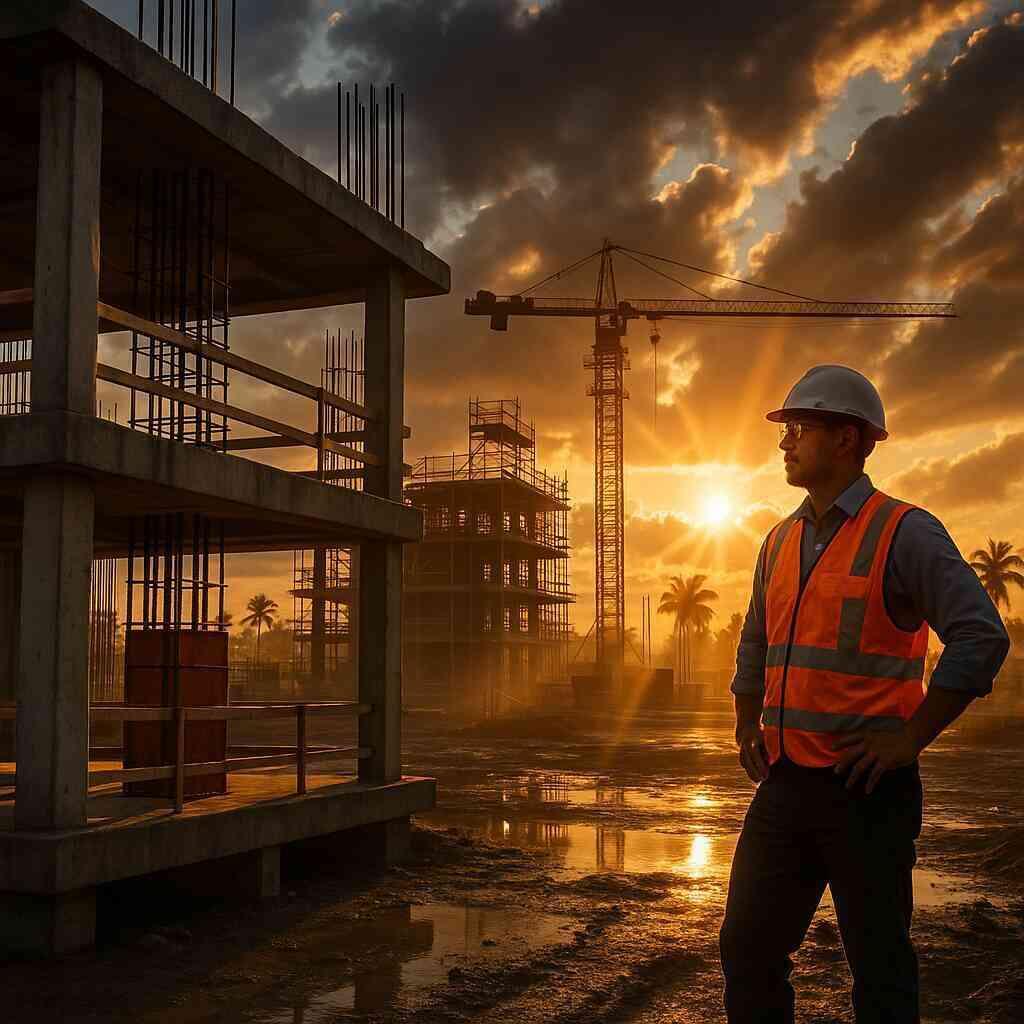
Managing Hurricane Season Build Timelines in West Palm Beach
Building or renovating a home in West Palm Beach during hurricane season requires careful planning, flexible scheduling, and a deep understanding of how storms can disrupt construction. This overview explores how experienced contractors approach the unique challenges of building through Florida's most unpredictable months.
Why Hurricane Season Makes Construction More Complex
West Palm Beach sits in one of the most storm-vulnerable regions in the United States. From June through November, construction teams face the constant possibility of high winds, heavy rainfall, and rapid weather changes that can halt work, damage materials, and push timelines back significantly.
These challenges are not simply inconveniences. Delays during active storm seasons can cascade into permit complications, cost overruns, and safety risks if a partially completed structure is left exposed. Addressing these risks proactively is what separates experienced contractors from those who simply react after problems occur.
Starting With a Storm-Aware Project Plan
Effective hurricane season construction starts long before a single nail is driven. The planning phase needs to account for weather uncertainty from the beginning. This means:
- Building buffer time into the schedule for anticipated weather delays
- Prioritizing critical structural tasks early in the project when conditions are more predictable
- Selecting materials rated for high-wind and moisture resistance before procurement begins
- Establishing clear communication protocols so clients and crews stay aligned when weather forces changes
When weather-adaptive thinking is embedded in the original project plan, teams are far less likely to scramble when a storm approaches.
Incorporating Storm-Resistant Building Techniques
One of the most practical ways to manage hurricane season timelines is to reduce how much rework storms can cause. Storm-resistant construction techniques help protect partially completed structures and reduce the likelihood of weather-related damage setting the project back.
Common approaches include:
- Reinforced structural framing that can withstand wind loads well above standard building codes
- Impact-resistant roofing and window systems that protect interiors during heavy rain events
- Proper site drainage planning to prevent flooding from slowing ground-level work
- Temporary weatherproofing measures applied between active construction phases
These techniques are not just about meeting code requirements. They reflect a broader commitment to building structures that hold up over time in a demanding climate.
Flexible Scheduling as a Core Strategy
No matter how thorough the planning, weather during hurricane season remains unpredictable. The most effective project managers treat their schedules as living documents rather than fixed roadmaps.
This means regularly reviewing the forecast alongside the project timeline, shifting non-critical tasks to weather-sensitive windows, and accelerating work during calm periods. When crews know which tasks can be done indoors or under cover, scheduling decisions become more strategic rather than purely reactive.
It also means being honest with clients about what realistic timelines look like during storm season. Transparent communication about potential delays builds trust and prevents misunderstandings when weather does cause disruptions.
Using Technology to Stay Ahead of Weather
Modern construction management increasingly relies on digital tools to monitor and respond to weather in real time. Project management software, weather tracking integrations, and mobile communication platforms allow site supervisors to make fast, informed decisions when conditions change.
For example, a team tracking an approaching tropical system can use forecast data to accelerate certain tasks, secure materials and equipment, and adjust crew scheduling days in advance. This kind of data-driven responsiveness is a meaningful advantage over purely manual approaches.
Emergency Preparedness on the Job Site
Beyond scheduling, physical site preparedness is essential. Before storm season gets underway, crews should have documented plans covering:
- How and where materials and equipment will be secured before a storm
- Evacuation and communication procedures for crew members
- Steps for assessing and documenting site conditions after a storm passes
- Who is responsible for contacting clients, subcontractors, and permit offices after a significant weather event
Having these procedures in place before they are needed ensures a faster, safer return to work once conditions improve.
The Value of Experience in Storm-Season Construction
Managing build timelines through hurricane season is not something that can be fully learned from a checklist. It takes real experience with how Florida storms behave, how local permit offices respond to weather events, and how to keep clients informed and reassured through uncertainty.
Contractors who have operated in the West Palm Beach area through multiple storm seasons carry institutional knowledge that directly benefits their clients. They know which trade partners are reliable when schedules shift, which material suppliers can respond quickly, and which strategies have proven effective over time.
For anyone planning a renovation or new construction project in South Florida, understanding how your contractor approaches hurricane season planning is a smart and practical question to ask before work begins.
How West Palm Beach Renovations Manages Hurricane Season Build Timelines


Comments
Post a Comment