Palm Beach County 2026 Building Code Updates Explained
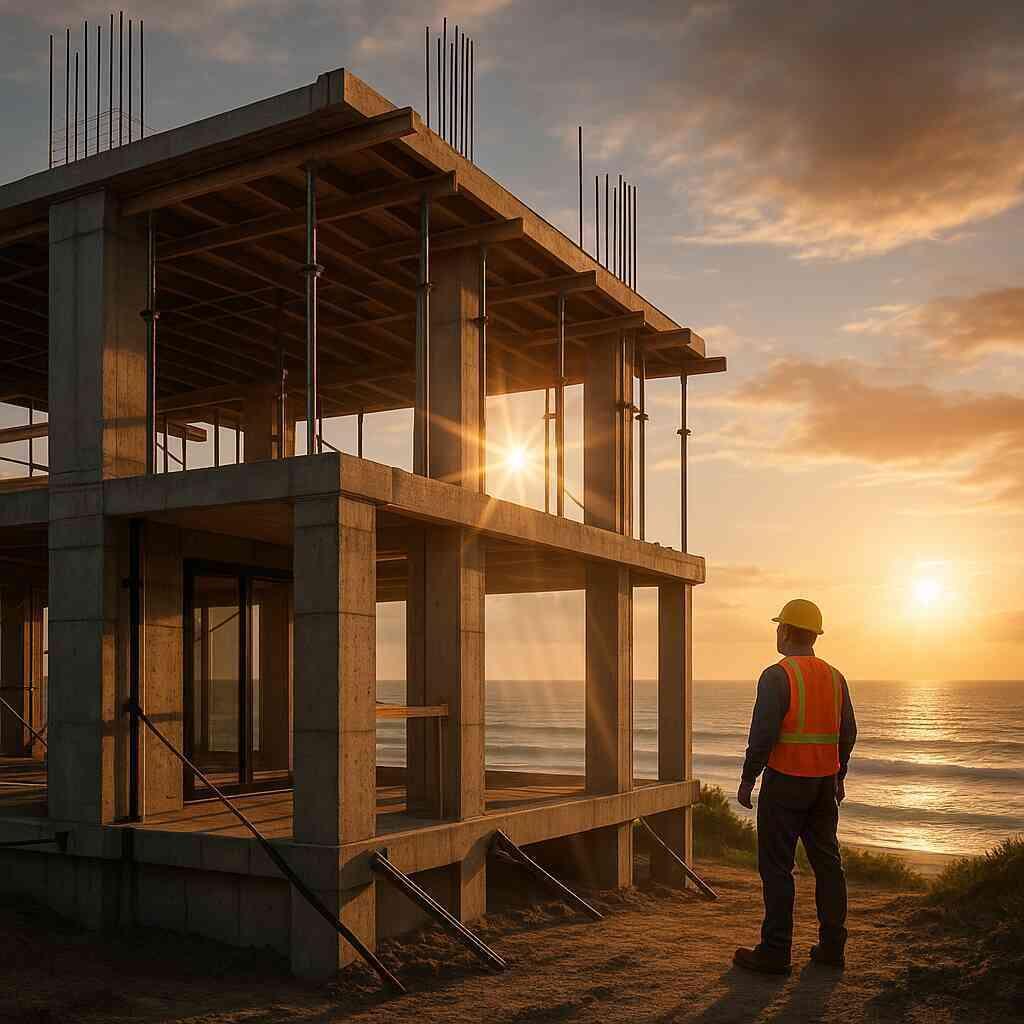
Palm Beach County 2026 Building Code Updates Explained
The 2026 building code updates in Palm Beach County bring significant changes to how residential and commercial structures are designed, built, and maintained. Whether you are planning a new construction project or a major renovation, understanding these updates is essential for staying compliant and building smarter.
Why Building Codes Matter More Than Ever
Building codes are not just bureaucratic requirements. They represent the collective knowledge of engineers, safety experts, and architects working to protect people and property. In Palm Beach County, these codes reflect the region's unique environmental conditions — coastal exposure, hurricane risk, and heavy seasonal rainfall all factor into the regulatory framework.
The 2026 updates raise the bar on several fronts, from structural resilience to energy performance. For builders and property owners alike, keeping pace with these changes is both a legal responsibility and a practical investment.
Key Updates to Know in 2026
Hurricane-Resistant Construction Standards
Hurricane preparedness remains a cornerstone of Palm Beach County's building regulations. The updated codes tighten requirements around:
- Wind load ratings for roofing systems, windows, and exterior doors
- Impact-resistant glazing on all openings
- Roof-to-wall connections that must meet stricter anchoring criteria
- Structural sheathing requirements that improve overall building envelope performance
These changes are designed to reduce storm-related damage and protect occupants during high-wind events. Builders working in coastal and high-risk wind zones will feel the most direct impact from these updates.
Energy Efficiency Requirements
Sustainability is a growing priority in Florida construction, and the 2026 updates reflect that shift clearly. New standards push builders toward practices that lower energy consumption across the life of a building.
Highlights include:
- Upgraded insulation requirements for walls, attics, and crawl spaces
- Mandated use of energy-efficient windows with improved solar heat gain coefficients
- Stricter HVAC efficiency ratings for new installations
- Provisions for EV charging infrastructure in new residential projects
These requirements may add upfront cost, but the long-term reduction in utility expenses makes compliance a sound financial decision for property owners.
Flood Zone Construction Rules
Flood zone regulations have been updated to address the increasing frequency of heavy rainfall and storm surge events in South Florida. Key changes include:
- Higher base flood elevation requirements in designated flood zones
- Mandatory use of flood-resistant materials in lower building levels
- Improved drainage system standards for new developments
- Enhanced requirements for below-grade waterproofing in applicable zones
These updates apply to both new builds and substantial improvement projects in flood-prone areas. Knowing your property's flood zone classification is a critical first step before breaking ground.
Fire Safety Upgrades
Fire safety standards have also been modernized. The 2026 updates require:
- Expanded use of residential sprinkler systems in new single-family homes above a certain square footage threshold
- Updated smoke and carbon monoxide detector placement standards
- Fire-resistant material requirements in multi-family and mixed-use structures
- Clearer egress and exit pathway standards in commercial renovations
These changes align with current national fire safety guidance while addressing locally specific construction patterns.
How These Changes Affect Delray Beach Construction Projects
Delray Beach sits within Palm Beach County and follows the same regulatory framework. Local construction projects must align with both county-level codes and any applicable municipal ordinances. The city's mix of historic renovation work, coastal residential builds, and commercial development means that multiple sets of updated standards may apply to a single project.
Working with a construction team that actively tracks regulatory changes makes a meaningful difference. Permitting timelines, material sourcing, and design planning all benefit from proactive compliance rather than reactive corrections.
Practical Steps for Staying Compliant
For property owners and developers preparing for projects in 2026, a few steps can simplify the compliance process:
- Review your project scope early against the updated code requirements before finalizing design plans
- Consult with a licensed contractor familiar with Palm Beach County's current permitting standards
- Get flood zone and wind zone classifications confirmed for your specific parcel
- Budget for updated material standards — some code changes require higher-grade products that affect project costs
- Plan for extended permit review times as inspectors and reviewers adapt to the new standards
Final Thoughts
The 2026 building code updates in Palm Beach County reflect a clear direction: safer structures, more energy-conscious design, and greater resilience against South Florida's environmental challenges. For anyone involved in construction or property development in the region, staying informed is not optional — it is the foundation of any successful project.
This overview covers the major categories of change, but each project carries its own specific requirements. Detailed review with qualified professionals ensures that nothing is missed before construction begins.
What Are 2026 Building Code Updates in Palm Beach County


Comments
Post a Comment