Palm Beach County Home Addition Codes: Spring 2026 Guide
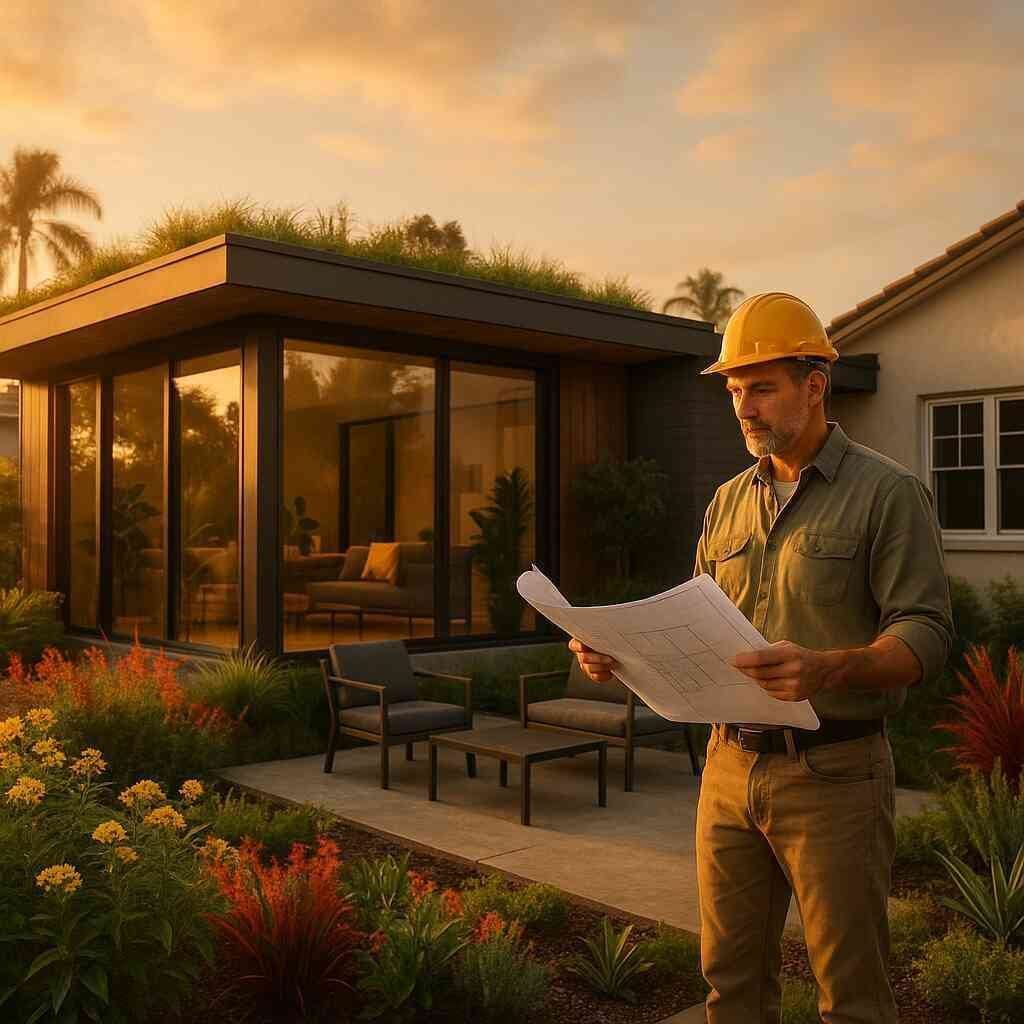
Palm Beach County Home Addition Codes: What You Need to Know in Spring 2026
Navigating home addition codes in Palm Beach County can feel overwhelming, but understanding the key requirements makes the entire process far more manageable. Whether you are planning a room addition, a garage conversion, or a full-scale home expansion, compliance with local building codes is not optional — it is essential.
Why Building Codes Matter for Home Additions
Palm Beach County building codes exist to protect homeowners, future occupants, and neighboring properties. They set minimum standards for structural integrity, fire safety, electrical systems, plumbing, and more. Skipping the compliance step can lead to costly corrections, delays, or even demolition of unpermitted work.
Every home addition project — no matter the size — should begin with a clear understanding of which codes apply. These standards are updated periodically, and 2026 has brought several refinements worth knowing about, particularly around energy efficiency and sustainable construction.
Understanding Zoning Laws Before You Build
Zoning regulations control how land can be used in Palm Beach County. They determine:
- Setback requirements — how far a structure must sit from property lines
- Maximum lot coverage — the percentage of your lot that can be covered by structures
- Height restrictions — limits on how tall an addition can be
- Land use designations — whether residential, commercial, or mixed-use rules apply
These laws vary by municipality and neighborhood. A project that is approved in one area may not be permitted just a few miles away. Consulting local zoning guidelines before finalizing any design is one of the most important steps a homeowner can take.
The Permitting Process: Step by Step
Securing a residential construction permit is a formal process that involves several distinct stages.
- Prepare detailed construction plans. These must include site plans, floor plans, elevations, and structural drawings that reflect all applicable code requirements.
- Submit to the Palm Beach County Building Division. Plans are reviewed for compliance with building, zoning, and fire codes.
- Respond to review comments. The reviewing agency may request revisions or additional documentation.
- Receive permit approval. Once approved, construction can legally begin.
- Schedule required inspections. Inspections occur at key milestones — foundation, framing, rough electrical, rough plumbing, and final completion.
- Obtain a Certificate of Occupancy. This document confirms the addition meets all code requirements and is safe to use.
Skipping any of these steps creates risk. Unpermitted additions can complicate home sales, insurance claims, and future renovation projects.
Energy Efficiency Requirements in 2026
Florida's energy codes have continued to evolve, and Palm Beach County additions are now expected to meet stricter performance benchmarks. Key areas include:
- Insulation values for walls, ceilings, and floors
- Window and door energy ratings (U-factor and solar heat gain coefficient)
- HVAC system efficiency requirements
- Air sealing and ventilation standards
Incorporating energy-efficient design from the start is far more cost-effective than retrofitting later. Many homeowners are also integrating smart home systems and solar-ready infrastructure into new additions, both of which align with current code expectations and long-term utility savings.
Sustainable Construction Practices
Sustainability is increasingly woven into Palm Beach County's building standards. Contractors and homeowners are encouraged to consider:
- Using recycled or low-impact building materials
- Minimizing construction waste through careful planning
- Installing high-efficiency plumbing fixtures
- Designing for natural ventilation and daylighting
These practices do not just support environmental goals. They often result in lower operating costs, better indoor air quality, and higher property values over time.
Architectural Design and Code Compliance
A home addition should blend seamlessly with the existing structure in both appearance and function. Compliance with architectural design standards helps ensure that additions do not create structural weak points or create issues with neighboring properties.
Working with an experienced contractor who understands Palm Beach County's specific requirements is one of the most effective ways to avoid design-approval delays. Proper documentation, accurate drawings, and early coordination with the building department all contribute to a smoother approval process.
Practical Takeaways for Homeowners
If you are planning a home addition in Palm Beach County this year, keep these points in mind:
- Research zoning requirements for your specific parcel before designing anything
- Hire licensed professionals who are familiar with local codes
- Budget time for the permitting process — reviews can take several weeks
- Plan for energy efficiency from the beginning, not as an afterthought
- Keep records of all permits, inspections, and approvals for future reference
Understanding the regulatory landscape is the foundation of any successful home addition. With the right preparation and professional guidance, the process becomes far less daunting and the results far more lasting.
Guide to Spring 2026 Home Addition Codes in Palm Beach County


Comments
Post a Comment