RENOVA Prefab vs. Lighthouse Point Home Additions Compared
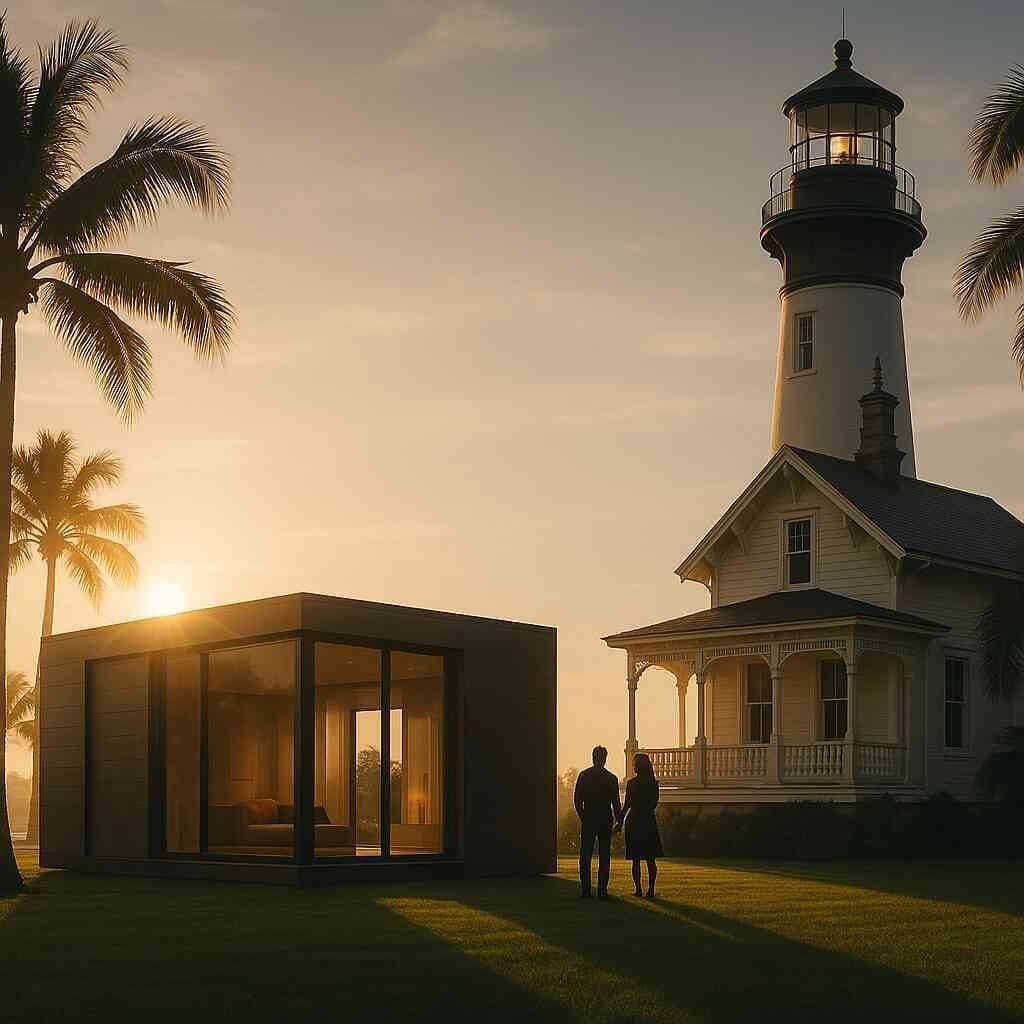
RENOVA Prefab vs. Lighthouse Point Home Additions: Which Is Right for You?
Choosing between prefab construction and traditional home additions is one of the most important decisions a homeowner can make. This overview compares RENOVA's prefab approach with traditional Lighthouse Point additions, breaking down the key differences in cost, timeline, design, and sustainability.
What Is Prefab Construction and Why Is It Growing?
Prefab — short for prefabricated — construction involves building major components of a home off-site in a controlled factory setting, then assembling them on location. This method has gained significant momentum in South Florida as homeowners look for faster, more predictable building experiences.
In 2026, prefab is no longer just a budget option. It has evolved into a sophisticated, design-forward approach that competes directly with traditional construction on quality and aesthetics.
RENOVA Prefab: Key Strengths
RENOVA has positioned itself as a leader in modular and prefab home solutions across South Florida. Here is what sets their approach apart:
Speed and Efficiency
Because prefab components are manufactured off-site, construction timelines are dramatically shorter. Weather delays and on-site complications are minimized. Homeowners typically see completed additions in a fraction of the time compared to traditional builds.
Energy Efficiency
RENOVA integrates energy-efficient design into every project. From insulated wall panels to smart HVAC systems, these homes are built to reduce energy consumption from day one. For South Florida homeowners dealing with high cooling costs, this is a practical and meaningful advantage.
Smart Technology Integration
Prefab homes from RENOVA can be outfitted with smart home technology during the build process — not as an afterthought. Automated lighting, security systems, and climate controls are easier and less expensive to incorporate at the factory stage than after construction is complete.
Cost Predictability
One of the most appealing aspects of prefab construction is budget transparency. Because manufacturing happens in a controlled environment, material waste is lower and labor costs are more predictable. Homeowners are less likely to encounter the unexpected cost overruns that often accompany traditional builds.
Customization Options
Modern prefab does not mean cookie-cutter. RENOVA offers a range of customizable floor plans, finishes, and layout options. Clients can select designs that complement their existing home's style while still benefiting from efficient manufacturing.
Lighthouse Point Additions: The Traditional Approach
Lighthouse Point has a well-established identity built around elegant, carefully crafted homes. Traditional home additions in this area tend to reflect that character.
Craftsmanship and Attention to Detail
Traditional construction allows for a high degree of handcrafted precision. Skilled tradespeople work directly on-site, adapting to the unique conditions of each property. This process can produce remarkable results — particularly for complex architectural details that are difficult to replicate in a factory setting.
Architectural Cohesion
For homeowners with older or architecturally distinctive properties, a traditional addition can be designed to blend seamlessly with the existing structure. Matching original materials, trim profiles, and proportions is often easier with on-site craftsmanship.
Longer Timelines
The trade-off with traditional construction is time. Permitting, material sourcing, weather delays, and sequential trades all add to the project duration. A home addition that might take eight to twelve weeks with prefab could stretch to six months or longer through traditional methods.
Higher and Less Predictable Costs
On-site labor is expensive, and material costs can shift during a long project. Traditional additions often come with more financial variables, making accurate budgeting more challenging.
Side-by-Side Comparison
| Factor | RENOVA Prefab | Traditional Addition |
|---|---|---|
| Timeline | Shorter, more predictable | Longer, weather-dependent |
| Cost | Generally lower, more transparent | Higher, more variable |
| Customization | Strong, design-forward options | Highly flexible, handcrafted |
| Energy Efficiency | Built-in, integrated systems | Depends on builder choices |
| Smart Tech | Easily integrated during build | Added after, often costlier |
| Architectural Match | Good, with planning | Excellent for complex details |
Which Option Makes More Sense?
The right choice depends on your priorities. If speed, budget certainty, and energy performance are at the top of your list, a RENOVA prefab addition is worth serious consideration. If you have a historically detailed home or require highly bespoke architectural elements, a traditional Lighthouse Point addition may better serve your goals.
Many homeowners find that talking through their specific project with an experienced contractor — one familiar with both methods — helps clarify which path aligns with their vision, timeline, and budget.
Final Thoughts
Both prefab and traditional construction have genuine strengths. The home addition industry in South Florida is evolving quickly, and homeowners today have more informed choices than ever before. Understanding the real differences between these two approaches is the first step toward making a decision you will be satisfied with for years to come.
Comparing RENOVA Prefab versus Lighthouse Point Additions


Comments
Post a Comment