Top Construction Materials for Coastal Homes in Delray Beach
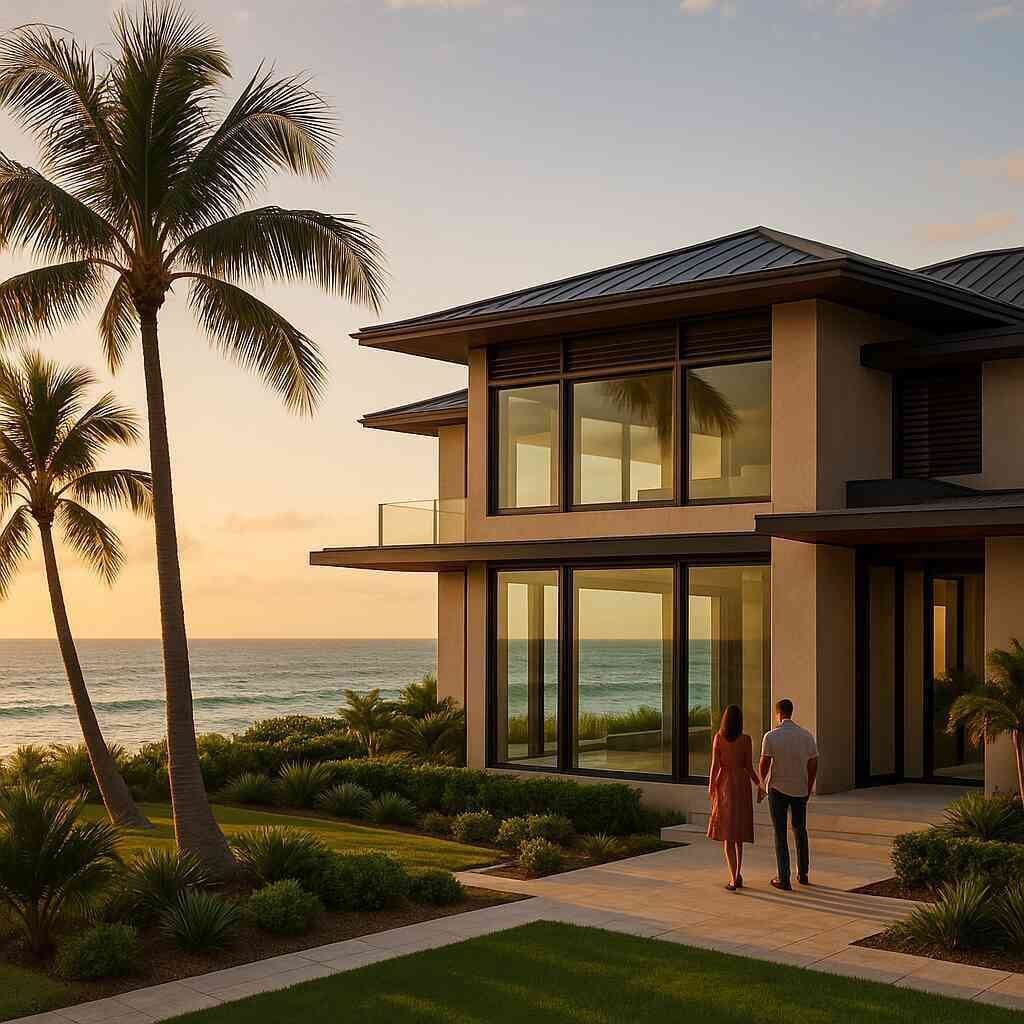
Top Construction Materials for Coastal Homes in Delray Beach
Building or renovating a home near the ocean in Delray Beach means facing a unique set of environmental demands. Salt air, hurricane-force winds, relentless humidity, and intense sun all work against standard building materials over time. Choosing the right materials from the start is one of the most important decisions a coastal homeowner can make.
This overview breaks down the most effective construction materials and strategies for coastal homes in 2026, drawing on current industry best practices and the specific conditions found along South Florida's coastline.
Why Coastal Construction Is Different
Coastal environments are harsh on structures in ways that inland areas simply are not. Saltwater particles carried in ocean breezes accelerate corrosion on metal fasteners, framing components, and exterior finishes. High humidity promotes mold growth inside walls and under flooring. And then there is the hurricane threat — a defining factor in every construction decision made in South Florida.
Delray Beach sits in a region that sees active hurricane seasons. Any home built or renovated here must account for extreme wind loads, storm surge risk, and flying debris. Cutting corners on materials may reduce upfront costs, but it often leads to far greater expenses after a major storm.
Hurricane-Resistant Materials
The foundation of coastal resilience is hurricane-resistant construction. Several materials perform well in this category:
- Reinforced concrete — Insulated concrete forms (ICF) and poured concrete walls offer exceptional resistance to high winds and impact. They also provide thermal insulation benefits.
- Steel framing — Stronger than wood in high-wind conditions and not susceptible to rot or termites, steel framing has become more common in South Florida residential builds.
- Impact-resistant roofing — Metal roofing systems, particularly standing seam aluminum or steel panels, hold up well against hurricane-force conditions and have long service lives in coastal climates.
Impact-resistant windows and doors are equally critical. Laminated glass with a strong interlayer can prevent shattering under flying debris impact. These products must meet Florida's strict building codes, which are among the toughest in the country for good reason.
Marine-Grade Materials to Fight Saltwater Corrosion
Salt air degrades standard metals quickly. Fasteners, railings, hinges, and structural connectors must all be selected with corrosion resistance in mind. Look for:
- 316 stainless steel for fasteners and hardware — it offers superior corrosion resistance compared to standard 304 grade.
- Hot-dipped galvanized connectors where stainless is not practical.
- Fiber cement siding — a popular exterior cladding option that resists moisture, salt air, and insects without warping or rotting.
- Composite decking — replaces wood with a material that handles humidity and salt exposure far better over time.
Any wood used in exterior applications should be pressure-treated to the appropriate retention level for ground contact or above-ground coastal exposure.
Moisture-Resistant Solutions for Humid Interiors
Humidity inside a coastal home can be just as damaging as the exterior environment. Building envelope performance — how well the structure manages moisture transfer — is a major factor in long-term durability.
Best practices include:
- Closed-cell spray foam insulation — creates a moisture barrier while also adding structural rigidity to walls.
- Moisture-resistant drywall — standard in bathrooms but worth considering more broadly in coastal builds.
- Vapor barriers and house wraps — properly installed, these reduce condensation issues inside wall cavities.
- Tile and luxury vinyl plank flooring — far better choices than solid hardwood in humid coastal environments.
Proper ventilation design also plays a major role. A well-designed HVAC system with appropriate dehumidification capacity keeps interior humidity levels in a safe range year-round.
Energy-Efficient Materials for Long-Term Value
South Florida's heat and sun intensity make energy efficiency a priority. Homes built with high-performance materials can significantly reduce cooling costs:
- Reflective or cool roofing materials reduce heat absorption.
- Low-E impact windows block infrared heat while allowing natural light.
- Continuous insulation systems reduce thermal bridging through wall assemblies.
These choices support lower utility bills and a more comfortable interior environment throughout the year.
Bringing It All Together
Building a coastal home in Delray Beach in 2026 requires a thoughtful, layered approach to material selection. No single product solves every challenge. The best outcomes come from combining hurricane-rated structural systems, corrosion-resistant hardware and cladding, moisture management strategies, and energy-efficient envelope design.
Working with a contractor who has direct experience in South Florida coastal construction makes a meaningful difference. Local knowledge of wind load requirements, flood zone regulations, and material performance in salt air conditions is not something that can be easily replicated from a general handbook.
The investment in quality materials and experienced construction pays dividends in safety, longevity, and peace of mind for years to come.
Best Construction Materials for Coastal Homes in Delray Beach 2026


Comments
Post a Comment