Understanding Construction Contracts in Palm Beach County
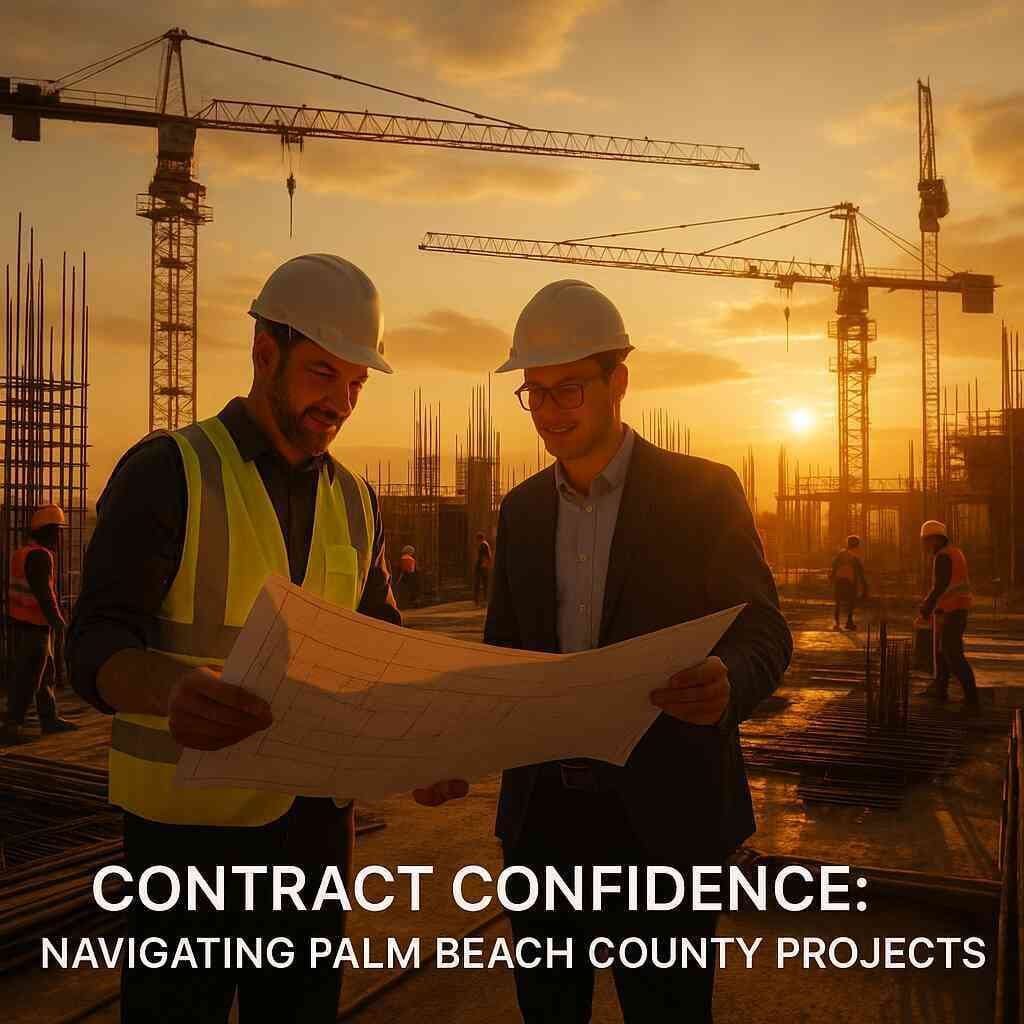
Understanding Construction Contracts in Palm Beach County
Reading a construction contract in Palm Beach County can feel overwhelming, especially if legal and industry-specific language is unfamiliar territory. This overview breaks down the core components of these agreements so that homeowners, investors, and business owners can approach any construction project with greater confidence.
Why Construction Contracts Matter
A construction contract is not just paperwork. It is a legally binding document that defines the relationship between a property owner and a contractor. It outlines who is responsible for what, when work must be completed, and how much it will cost.
Without a clear contract, even a well-intentioned project can spiral into disputes over timelines, quality, or payment. A thorough agreement protects everyone involved and establishes a shared understanding before a single nail is driven.
Key Sections Every Contract Should Include
Most construction contracts in Palm Beach County share a similar structure. Understanding what each section covers helps you read these documents more effectively.
1. Scope of Work
This section describes exactly what the contractor is expected to build, install, or renovate. It should be as specific as possible, covering materials, dimensions, finishes, and any exclusions. Vague language here is one of the most common sources of disputes.
What to watch for:
- Are the materials specified by brand, grade, or quality level?
- Are there items explicitly excluded from the scope?
- Does the description match your expectations and any drawings or plans?
2. Project Timeline
A realistic and detailed timeline is essential. This section should include a start date, key milestones, and a projected completion date. It may also define what constitutes a delay and how delays are handled.
In Palm Beach County, permit processing times can affect project schedules. Understanding how the contract addresses permit-related delays helps you plan accordingly.
3. Payment Schedule
Construction contracts typically tie payments to milestones rather than fixed calendar dates. A common structure involves a deposit upfront, followed by payments as specific phases are completed.
Healthy payment structures usually include:
- A reasonable deposit (often 10–20% depending on project size)
- Progress payments linked to completed and verified work
- A final payment held until the project reaches substantial completion
Be cautious of contracts that request large upfront payments with no milestone-based structure. Financial transparency protects both the client and the contractor.
4. Change Orders
Change orders are formal amendments to the original contract. They document any modifications to the scope, timeline, or budget that arise during construction. Every change order should be agreed upon in writing before work begins.
Without a clear change order process, costs can escalate unexpectedly and disputes become harder to resolve.
5. Contractor Obligations and Performance Standards
This section outlines the quality of workmanship expected, the types of materials to be used, and how the contractor is expected to manage the job site. It may also address licensing requirements, insurance coverage, and subcontractor oversight.
In Palm Beach County, contractors must carry proper licensing and insurance. Confirming this before signing is a basic but critical step.
Local Regulations to Keep in Mind
Palm Beach County has specific zoning laws, permitting requirements, and environmental guidelines that affect construction projects. These rules exist to protect public safety and community standards.
Some key local considerations include:
- Permitting: Most structural work requires a permit. The contract should clarify who is responsible for obtaining permits and paying associated fees.
- Zoning compliance: The planned work must align with the zoning designation for the property.
- Environmental standards: Certain areas in Palm Beach County have additional restrictions related to drainage, landscaping, or coastal proximity.
A reputable contractor will be familiar with these requirements and will factor them into the project plan.
Terms Worth Knowing
Several contract terms come up frequently and deserve attention:
- Substantial Completion: The point at which the project is complete enough for its intended use, even if minor items remain.
- Liquidated Damages: A pre-agreed penalty applied if the contractor fails to complete the project by a specified date.
- Retainage: A percentage of each payment withheld until the project is fully completed and accepted.
- Indemnification: A clause that defines who assumes liability for certain types of losses or damages.
If any of these terms appear in a contract without clear explanation, it is worth asking for clarification before signing.
Practical Steps Before Signing
Before putting pen to paper, consider these practical steps:
- Read the entire contract, not just the summary or key terms.
- Compare the written scope of work against any design plans or estimates you received.
- Confirm that insurance certificates and license numbers are current and valid.
- Ask questions about anything unclear. A trustworthy contractor will welcome the conversation.
- If the project is large or complex, having an attorney review the contract is a reasonable precaution.
Final Thoughts
Reading a construction contract carefully is one of the most effective ways to protect a significant investment. In Palm Beach County, where local regulations add an additional layer of complexity, taking time to understand the agreement before work begins is always worthwhile. A clear, well-structured contract sets the tone for a professional and productive working relationship from day one.
How to Read a Construction Contract in Palm Beach County


Comments
Post a Comment