Winter 2026 ADU Building Guide for Boca Raton Homeowners
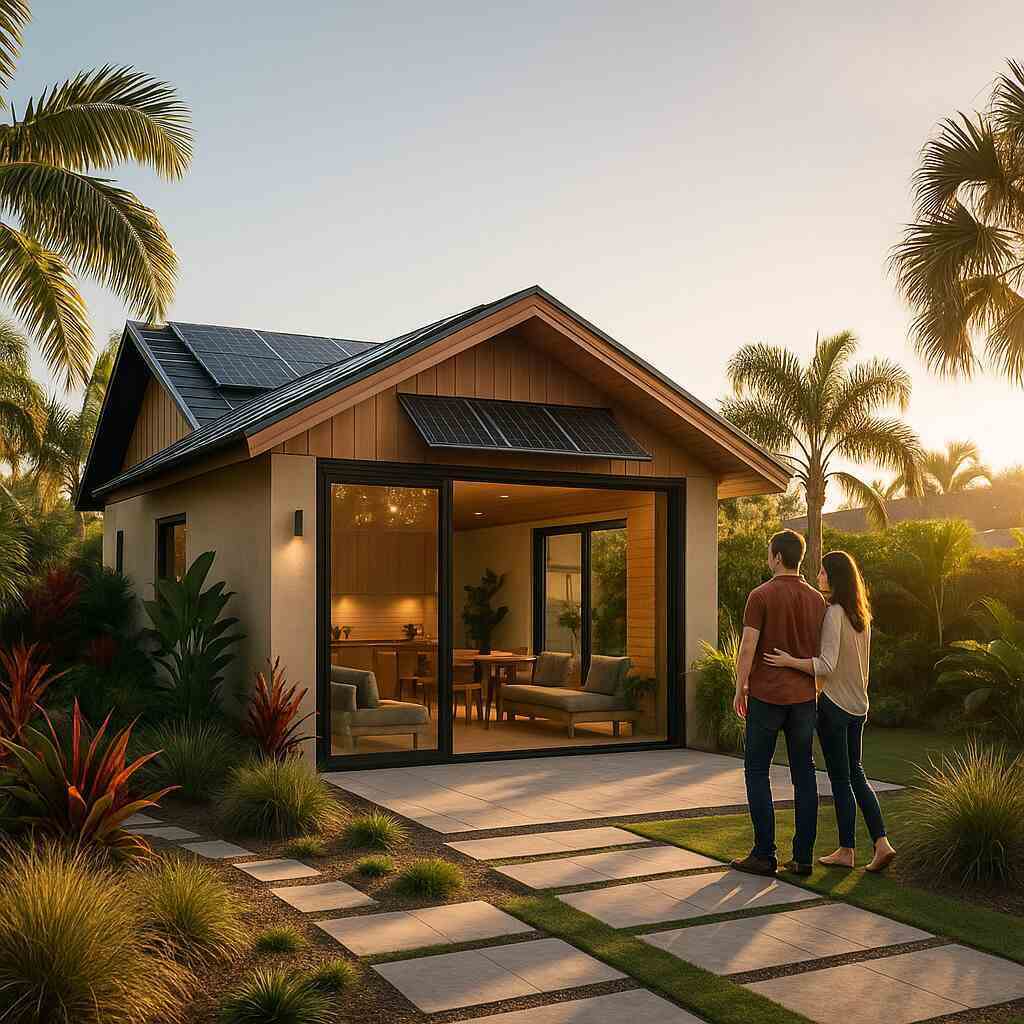
Winter 2026 ADU Building Guide for Boca Raton Homeowners
Accessory Dwelling Units (ADUs) are reshaping how Boca Raton homeowners think about their properties. Whether the goal is generating rental income, housing family members, or simply adding functional square footage, ADUs offer a practical path forward — and winter 2026 is one of the best times to start building one.
Why Winter Is an Ideal Time for ADU Projects in Boca Raton
Unlike most of the country, South Florida does not shut down construction during winter. Boca Raton's mild temperatures and reduced humidity levels during this season create near-ideal conditions for remodeling and new construction work.
There are several practical reasons winter works well for ADU projects here:
- Faster scheduling: Contractors often have more availability in winter compared to peak summer months.
- Material performance: Cooler temperatures allow certain materials, like concrete and adhesives, to cure more reliably.
- Less weather disruption: The risk of sudden storms that can delay outdoor work is lower in winter than in hurricane season.
Starting a project now means it can be completed and ready for occupancy well before the heat of summer arrives.
Designing an ADU That Works Year-Round
Good ADU design in Boca Raton balances aesthetics with long-term functionality. The goal is a space that feels like a complete, comfortable home — not an afterthought attached to the main property.
Key Design Principles to Keep in Mind
Open floor plans make smaller square footage feel larger and more livable. In an ADU, every square foot counts, so layouts that avoid unnecessary walls tend to work best.
Natural light is essential. Large windows and glass doors not only brighten the space but also create a visual connection to the outdoors, which is especially valuable in a Florida setting.
Indoor-outdoor flow is a hallmark of South Florida architecture. A small patio or screened area attached to an ADU extends its usable living space significantly.
Durable finishes matter more in an ADU than in a standard home addition. Since these units often become rental properties or long-term guest accommodations, materials need to hold up under regular use with minimal maintenance.
Energy Efficiency: A Smart Investment for ADUs
Building an energy-efficient ADU is both an environmental choice and a financial one. In Florida's climate, cooling costs can dominate a utility bill. Addressing this during the design and construction phase saves money for years to come.
Practical energy-saving features to consider include:
- High-performance insulation in walls, ceilings, and floors to reduce heat transfer
- Impact-rated, low-E windows that block solar heat gain while allowing natural light
- LED lighting throughout to cut electrical consumption
- Mini-split HVAC systems that allow for zoned temperature control without ductwork
- Solar panel readiness, even if panels are not installed immediately
These features reduce operating costs and can make the ADU more attractive to potential renters.
Weatherproofing: Built to Last in South Florida
Humidity, salt air, and the occasional severe storm are realities of living in Boca Raton. Weatherproofing an ADU from the ground up — rather than addressing issues after the fact — is the smarter approach.
Effective weatherproofing covers several areas:
- Roofing materials rated for high wind and impact resistance
- Moisture barriers installed behind exterior cladding to prevent water intrusion
- Corrosion-resistant hardware and fasteners, especially important near coastal areas
- Properly sealed windows and doors to block humidity and drafts
- Elevated foundations where applicable to reduce flood risk
When these elements are built in from the start, the ADU requires far less maintenance over its lifetime.
Navigating Building Codes and Permits
One of the most common sources of delay in ADU projects is the permitting process. South Florida municipalities, including Boca Raton, have specific zoning rules, setback requirements, and design standards that govern ADU construction.
Working with an experienced local remodeling team that understands these regulations is essential. Key areas to address early include:
- Confirming the property's zoning classification allows for an ADU
- Understanding size limitations and height restrictions
- Ensuring the design meets fire safety and egress requirements
- Coordinating utility connections for water, sewer, and electricity
Starting the permitting process as early as possible prevents costly delays once construction begins.
Choosing the Right Construction Materials
Material selection directly affects how well an ADU performs over time. In Boca Raton's climate, the focus should be on materials that resist moisture, heat, and humidity while still offering an attractive finish.
Commonly recommended options include insulated concrete forms for exterior walls, fiber cement siding for its durability and low maintenance, and porcelain tile for flooring, which handles humidity and heavy foot traffic well.
Final Thoughts
Building an ADU in Boca Raton this winter is a well-timed opportunity. The season supports efficient construction, the design possibilities are broad, and the long-term value — both financial and practical — is clear. Focusing on thoughtful design, energy efficiency, solid weatherproofing, and early permit coordination sets any ADU project up for success.
Ultimate Winter 2026 Guide by Boca Raton Remodelers for ADUs


Comments
Post a Comment