Wood Frame vs CBS Construction: What South Florida Builders Need to Know
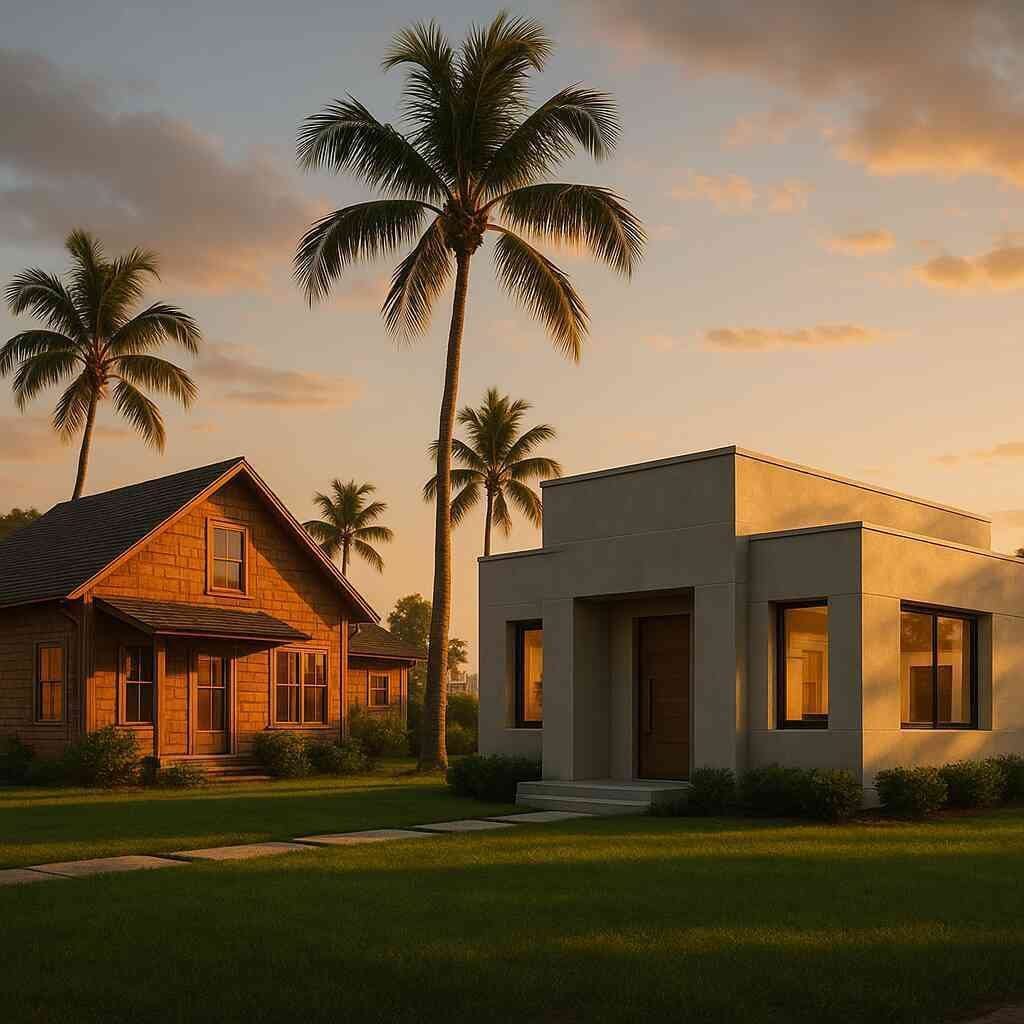
Wood Frame vs CBS Construction: What South Florida Builders Need to Know
Choosing between wood frame and CBS (Concrete Block and Stucco) construction in South Florida is one of the most important decisions any homeowner or builder will face. The climate, local building codes, and long-term costs all play a role in determining which approach makes the most sense for your project.
What Is Wood Frame Construction?
Wood frame construction uses a skeleton of lumber to support the structure. It has been a popular building method for generations due to several practical advantages:
- Lower upfront material costs compared to concrete block
- Faster build times since framing can proceed quickly
- Design flexibility that makes architectural changes easier during construction
- Lighter overall weight, which can simplify foundation requirements in some cases
For budget-conscious projects or those with tight timelines, wood frame can be an appealing starting point. However, in South Florida's environment, additional protective measures are necessary to maintain that value over time.
What Is CBS Construction?
CBS construction uses concrete masonry units (blocks) filled with mortar and reinforced with steel, then finished with a stucco exterior. This method has become the dominant standard across South Florida for good reason.
Key advantages of CBS include:
- Superior wind resistance, especially during hurricane conditions
- Natural resistance to termites and moisture
- Greater structural mass that holds up better against flying debris
- Lower long-term maintenance costs in many cases
The trade-off is that CBS typically costs more upfront and takes longer to build. These factors must be weighed honestly against the long-term benefits.
Why South Florida's Climate Changes Everything
South Florida is one of the most climatically demanding regions in the United States for residential construction. Builders here deal with:
- Frequent and severe hurricanes that generate extreme wind speeds
- High year-round humidity that accelerates deterioration of organic materials
- Salt-laden coastal air that can corrode fasteners and degrade wood fibers
- Heavy seasonal rainfall that creates ongoing moisture management challenges
These conditions mean the choice between wood frame and CBS is not just aesthetic or financial. It has direct implications for safety, durability, and the total cost of ownership over the life of the structure.
Hurricane Resistance: A Critical Factor in 2026
Hurricane-resistant construction is no longer optional in South Florida. State and local building codes have grown increasingly strict, and for good reason. Both construction types have been adapted to improve storm performance, but they start from very different baselines.
CBS construction offers inherent resistance to high wind loads and projectile impact. The solid mass of concrete block does not flex or splinter the way wood can under extreme pressure.
Wood frame buildings can be significantly reinforced using:
- Hurricane ties and metal connectors at key framing joints
- Engineered lumber and sheathing rated for high-wind zones
- Impact-resistant windows and doors
- Roof systems designed to meet current Florida Building Code standards
With proper engineering, wood frame homes can meet code requirements. Still, achieving equivalent storm performance often requires meaningful additional investment, which narrows the cost gap between the two methods.
Termites and Moisture: The Hidden Long-Term Costs of Wood Frame
In South Florida, termites are not a hypothetical risk. Subterranean termite colonies are aggressive and widespread throughout the region. Wood frame construction requires a proactive and ongoing protection strategy that includes:
- Chemical soil treatments during and after construction
- Physical termite barriers integrated into the foundation
- Regular inspections, ideally on an annual basis
- Moisture barriers and proper ventilation to prevent wood decay
CBS construction largely sidesteps these concerns. Concrete block does not provide a food source for termites, and its density resists moisture absorption far better than wood. This translates into fewer treatments, fewer inspections, and generally lower maintenance expenses over time.
Comparing Long-Term Value
When evaluating total cost of ownership, it helps to think beyond the initial construction budget. CBS homes in South Florida often carry:
- Lower homeowners insurance premiums due to improved wind resistance ratings
- Reduced maintenance schedules for pest and moisture control
- Strong resale appeal, since buyers in hurricane-prone markets increasingly prefer CBS
Wood frame homes offer real advantages in upfront affordability and construction speed, but those savings can erode if ongoing maintenance costs are not properly planned for.
Making the Right Decision for Your Project
There is no single correct answer for every project. The right choice depends on your budget, timeline, location within South Florida, and how long you intend to own the property.
For primary residences in high-exposure coastal or inland areas, CBS is generally the more resilient long-term investment. For secondary structures, accessory buildings, or projects with strict budget constraints, properly engineered wood frame construction can still deliver solid results when built to current Florida Building Code standards.
Understanding both methods in depth is the foundation of making a confident, well-informed decision.
Comparing Wood Frame Versus CBS Construction in South Florida


Comments
Post a Comment