Zero Energy Home Goals: What Boca Raton Remodelers Know
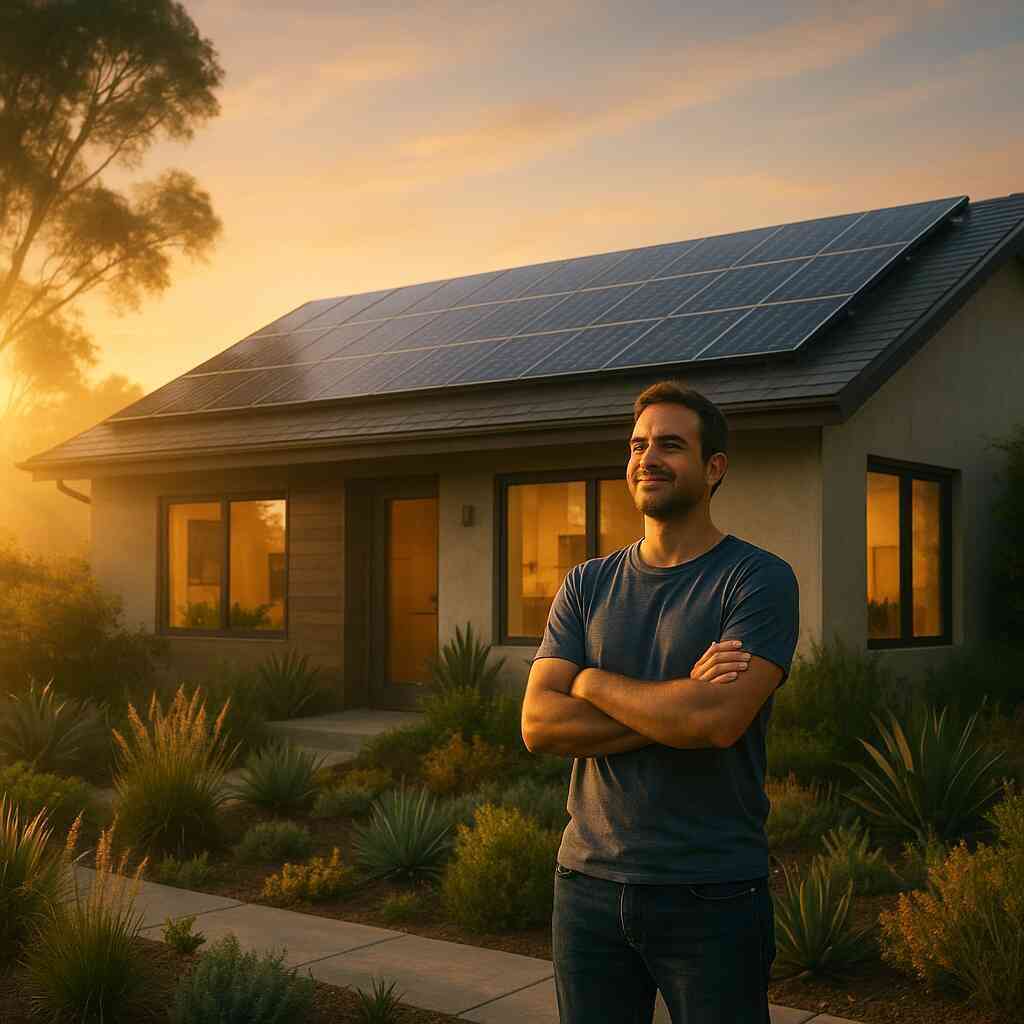
Zero Energy Home Goals: What Boca Raton Remodelers Know
Achieving a zero energy home is no longer a distant ideal — it is becoming a practical goal for homeowners in Boca Raton and beyond. This overview breaks down what zero energy construction actually means, how local remodelers are approaching it, and what you can realistically expect from these upgrades in 2026.
What Does Zero Energy Actually Mean?
A zero energy home produces as much energy as it consumes over the course of a year. This balance is achieved through a combination of energy efficiency measures and on-site renewable energy generation, most commonly solar power.
The concept is straightforward, but reaching that balance requires careful planning. It is not just about adding solar panels. It involves the entire building system working together — insulation, windows, HVAC, appliances, and orientation all play a role.
Why Boca Raton Is Well-Positioned for This Shift
Boca Raton's climate and culture make it an ideal setting for zero energy construction. The abundant sunshine provides a strong foundation for solar energy generation. At the same time, the city's eco-conscious homeowner base has created real demand for sustainable renovation options.
Remodelers in the area have responded by building expertise in energy-efficient methods that work specifically in South Florida's warm, humid environment. That local knowledge matters. Insulation strategies, ventilation systems, and moisture management all need to be calibrated for the regional climate.
Core Elements of a Zero Energy Remodel
Understanding what goes into a zero energy home helps set realistic expectations. Here are the foundational components most remodelers focus on:
Building Envelope Performance
The building envelope — walls, roof, windows, and foundation — is the first line of defense against energy loss. High-performance insulation and air sealing prevent conditioned air from escaping. Energy-efficient windows with low-emissivity coatings reduce heat gain, which is critical in Florida's climate.
Passive Solar Design
Home orientation and window placement can significantly reduce heating and cooling loads. Passive solar design uses natural light strategically, minimizing the need for artificial lighting and reducing thermal gain during peak afternoon hours.
HVAC and Mechanical Systems
Heating and cooling account for a large share of residential energy use. Modern high-efficiency HVAC systems, heat pumps, and smart thermostats dramatically cut energy consumption. Proper sizing and installation are just as important as equipment selection.
Renewable Energy Integration
Solar photovoltaic systems are the most common renewable energy solution for residential zero energy projects. Battery storage systems are increasingly paired with solar to provide energy resilience, especially important in a region prone to storms and outages.
Sustainable Materials
Material selection matters beyond just aesthetics. Recycled content, sustainably sourced wood, and low-VOC finishes reduce the environmental impact of the renovation itself. These choices also contribute to better indoor air quality.
Comparing Approaches: Partial vs. Full Zero Energy Goals
Not every homeowner needs to commit to a complete zero energy transformation from the start. It helps to understand the spectrum of options.
Incremental upgrades focus on one system at a time — replacing aging HVAC equipment, adding insulation, or installing solar. These steps reduce energy use meaningfully without requiring a full renovation.
Whole-home zero energy remodels coordinate all systems simultaneously. This approach is more cost-effective in the long run and achieves the deepest energy reductions. It requires a remodeler with experience in integrated design.
New construction zero energy projects offer the cleanest path to net-zero because the building can be designed from the ground up with efficiency as the primary goal.
For existing homes, the right approach depends on the home's current condition, the homeowner's budget, and their long-term goals. A phased plan that prioritizes the most impactful upgrades first is often the most practical path.
What Homeowners Can Realistically Expect
Zero energy upgrades deliver tangible benefits beyond lower utility bills. Homes with strong building envelopes and efficient systems tend to be more comfortable, quieter, and have better indoor air quality. They also hold their value well in a market where energy performance is increasingly a factor in purchasing decisions.
The upfront investment can be significant, but incentives at the federal and state level help offset costs. Energy modeling done before a renovation begins can also help prioritize spending and predict outcomes more accurately.
Final Thoughts
Zero energy goals represent a meaningful commitment to both environmental responsibility and long-term financial well-being. Boca Raton remodelers have developed the expertise to guide homeowners through this process thoughtfully. Whether starting with a single upgrade or planning a full renovation, understanding the core principles is the essential first step.
Compare Zero Energy Goals via Boca Raton Remodelers Insight


Comments
Post a Comment