2026 Custom Home Building Trends in Delray Beach
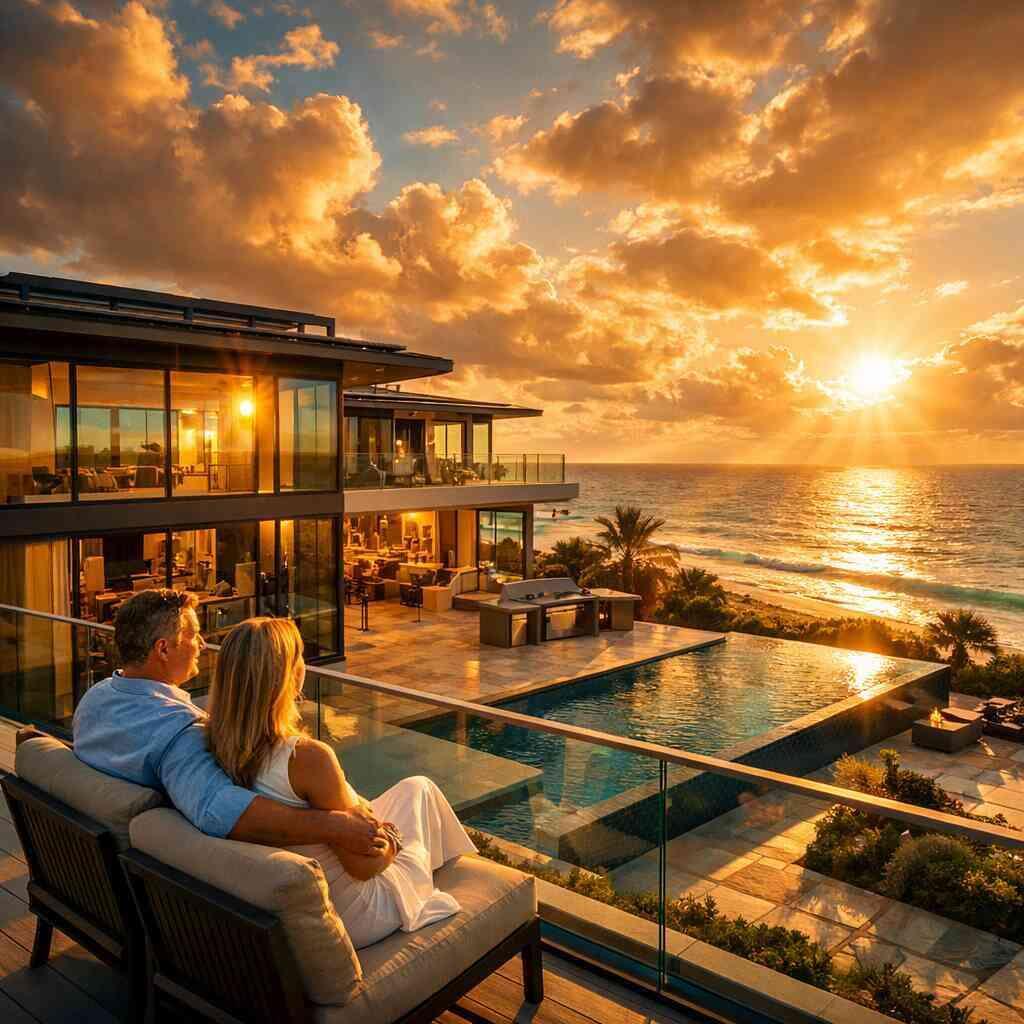
The custom home landscape in Delray Beach is evolving rapidly. In 2026, homeowners are looking beyond traditional luxury to embrace designs that are resilient, sustainable, and deeply integrated with the coastal environment. This guide explores the top trends shaping new construction, focusing on how modern homes are built to last, perform, and enhance daily living.
The Atlantic Renaissance: Redefining Luxury in Delray Beach
Luxury in Delray Beach no longer means just opulent finishes and large square footage. The current trend is a move toward holistic living environments. Homeowners now demand intelligent design that enhances daily life, protects their investment, and respects the unique coastal setting. This shift means Delray Beach construction projects are integrating resilience, sustainability, and wellness directly into their architectural plans. The role of a builder has expanded to that of a visionary partner, helping to create spaces that meet this new, more meaningful standard.
1. Architectural Fortification with Hurricane-Resistant Engineering
Building on the Atlantic coast requires a proactive approach to safety. The foremost trend is architectural fortification, where climate resilience is a foundational design principle, not an add-on.
Impact-Rated Glazing Systems: Modern windows and doors are engineered to meet stringent high-velocity wind zone standards. These laminated glass assemblies are designed to withstand projectile impact and extreme pressure changes during storms, all while preserving the home's views and natural light. They also offer superior insulation and UV protection.
Wind-Rated Garage and Entry Systems: A home's security perimeter is critical. Wind-rated garage doors feature reinforced tracks and impact-resistant panels. When paired with ballistic impact entry systems for main doors, they create a comprehensive barrier against both environmental and security threats.
Integrated Flood and Stormwater Management: Adhering to flood zone elevation requirements is just the start. Advanced homes now integrate sophisticated stormwater management systems. This includes strategic grading, permeable hardscaping, and subsurface retention areas that capture and slowly release rainwater. This protects the foundation, reduces erosion, and supports environmental stewardship.
2. Energy Sovereignty Through Net-Zero Goals
Energy independence is a major priority. The goal for many new custom homes is to achieve net-zero energy consumption, meaning the home produces as much energy as it uses over a year.
Solar-Ready Design: This begins with solar-ready roof deck designs that are structurally prepared for the future installation or expansion of photovoltaic (PV) panels. Proper planning ensures optimal placement for maximum sun exposure and integrates conduit pathways for clean electrical runs.
High-Performance Building Envelopes: Achieving net-zero is impossible without a superior building envelope. This involves advanced insulation, airtight construction, and high-efficiency windows to minimize thermal transfer. This "sealed box" approach drastically reduces the energy needed for heating and cooling.
Smart Energy Systems: Net-zero homes integrate smart energy management systems. These systems monitor production from solar panels, manage consumption from appliances and HVAC, and can control battery storage systems. This intelligent orchestration maximizes self-consumption of solar energy and minimizes reliance on the grid.
3. Biophilic Design for Enhanced Wellness
Connecting residents with nature is a key trend for promoting mental and physical well-being. Biophilic design principles are being woven into the fabric of Delray Beach homes.
Indoor-Outdoor Continuity: Expansive, floor-to-ceiling sliding glass doors and consistent flooring materials blur the lines between interior and exterior spaces. This creates a seamless flow to patios, pools, and landscaped gardens.
Natural Material Palettes: There is a strong preference for authentic, natural materials like wood, stone, and linen. These materials provide texture, warmth, and a tangible connection to the natural world, moving away from synthetic finishes.
Therapeutic Outdoor Spaces: Outdoor areas are designed as true extensions of the living space. This includes fully equipped outdoor kitchens, shaded lounging areas, water features for ambient sound, and even designated spaces for yoga or meditation surrounded by native, sensory plantings.
4. Advanced Smart Home Ecosystems
Home automation has evolved from simple remote controls to comprehensive, intuitive ecosystems that manage the home's core functions.
Integrated Whole-Home Systems: Modern systems unify control of lighting, climate, audio-visual, security, and irrigation into a single, user-friendly interface. These systems learn routines and adjust the environment automatically for comfort and efficiency.
Health and Wellness Monitoring: Technology now extends to wellness, with integrated systems that can monitor indoor air quality, adjust lighting to support circadian rhythms, and even manage water filtration and purification.
Proactive Maintenance and Security: Advanced sensors can detect water leaks, humidity changes, or unusual energy consumption, alerting homeowners to potential issues before they become major problems. Integrated security provides real-time monitoring and automated responses.
5. Sustainable and Resilient Material Selection
Material choices are driven by longevity, environmental impact, and performance in a coastal climate.
Durable Exterior Cladding: Materials like fiber-cement siding, metal panels, and certain treated hardwoods are favored for their resistance to salt air, moisture, and UV degradation, requiring less maintenance over time.
Low-VOC and Non-Toxic Interiors: For indoor air quality, there is a strong emphasis on paints, adhesives, and finishes with low or zero volatile organic compounds (VOCs). Natural materials like solid wood and stone are also preferred for their non-toxic properties.
Locally Sourced and Recycled Content: Reducing the carbon footprint of construction is important. Builders are increasingly specifying materials sourced regionally and those with high recycled content, supporting a circular economy.
6. Flexible and Multi-Generational Floor Plans
Home designs are becoming more adaptable to changing lifestyles and family needs.
Dedicated Home Offices & Studios: The permanence of remote work has made dedicated, well-designed home offices a standard requirement, often with separate entrances or soundproofing.
Self-Contained Guest Suites: These suites function as comfortable spaces for visiting family, potential rental income, or live-in assistance. They typically include a bedroom, bathroom, and a small kitchenette.
Convertible Spaces: Rooms are designed with flexibility in mind, using features like pocket doors and modular furniture to allow spaces to serve multiple purposes—a guest room that becomes a gym, or a formal dining area that converts to a playroom.
7. Luxury Outdoor Living as True Additional Square Footage
Outdoor spaces are now considered essential living areas, designed with the same level of detail and comfort as the home's interior.
All-Season Outdoor Rooms: With features like retractable screens, ceiling fans, and even outdoor fireplaces or heating elements, these spaces are usable year-round, protected from insects and mild weather shifts.
Resort-Style Pool and Spa Design: Pools are moving beyond simple rectangles to become focal points with features like sun shelves, integrated spas, infinity edges, and sophisticated LED lighting for evening ambiance.
Professional-Grade Outdoor Kitchens: These are fully equipped with durable appliances, ample prep space, and storage, making outdoor entertaining effortless and elegant.
Bringing It All Together: The Importance of Expert Oversight
Successfully weaving together these complex trends—aesthetics, resilience, technology, and sustainability—requires meticulous professional construction oversight. A skilled team coordinates architects, engineers, and specialized trades from concept to completion. This ensures that ambitious ideas, from hurricane-resistant structural plans to integrated smart home networks, are executed flawlessly. The result is a custom Delray Beach home that is not only beautiful but also intelligent, durable, and perfectly suited for coastal living in 2026 and beyond.
Top 7 Custom Home Building Trends Shaping Delray Beach in 2026


Comments
Post a Comment