Best Material Choices for Delray Beach Custom Homes in 2026
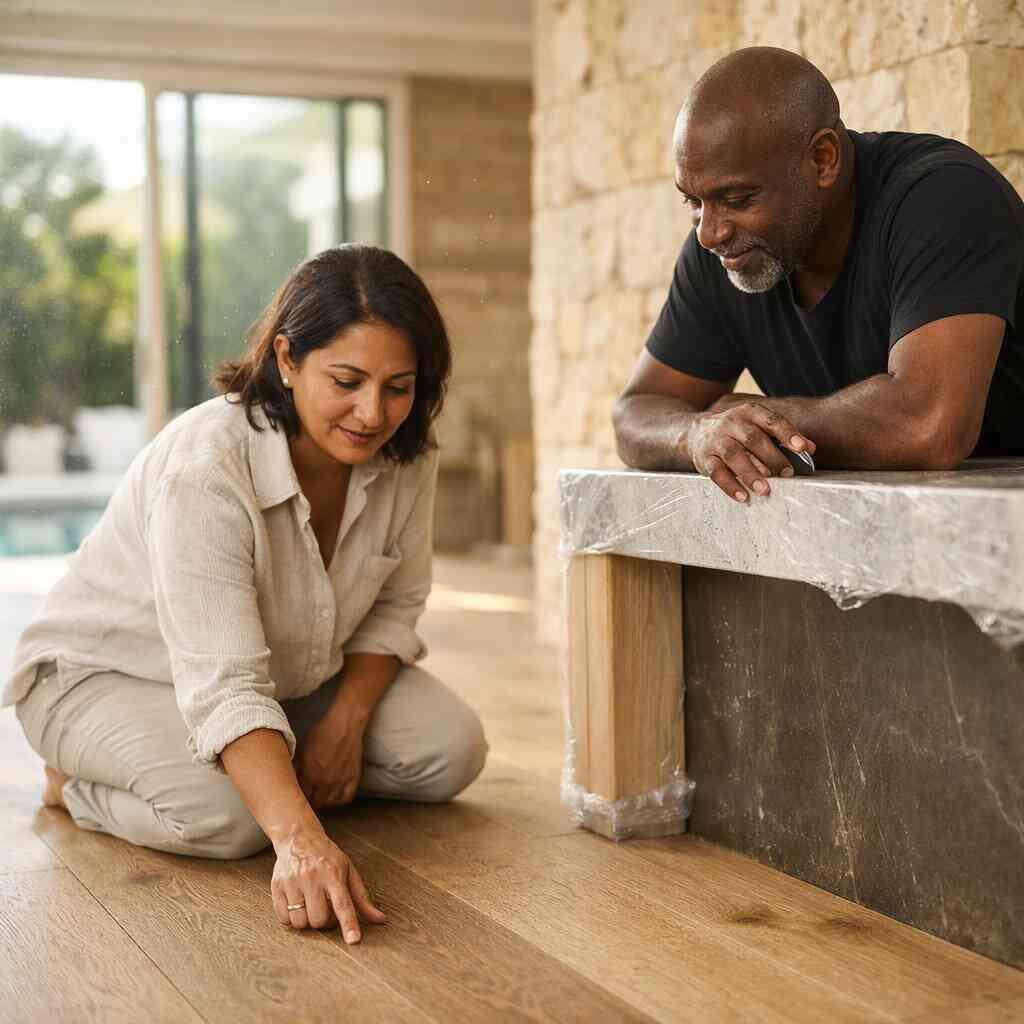
Building a custom home in Delray Beach means blending coastal beauty with rugged resilience. The materials you choose must handle hurricane-force winds, relentless salt air, and intense Florida sun without sacrificing style or comfort. This guide walks through eight essential material categories that define high-performance custom homes along the Palm Beach County coast in 2026.
1 - Impact-Resistant Windows and Doors That Defy Hurricane Season
When you build on the coast, windows and doors become your first line of defense. Impact-resistant glass tested to Miami-Dade standards stops a nine-pound two-by-four shot at 50 feet per second and then withstands thousands of pressure cycles without buckling. The laminated construction – two panes bonded with a tough interlayer – holds together even if the outer glass cracks, keeping wind, rain, and debris from entering the home. This eliminates the sudden pressurization that can lift roofs and seals interiors against water intrusion and mold.
Roll-down shutters may seem adequate, but they trap you in darkness when power fails and often require manual cranking outside in dangerous conditions. Impact glass gives permanent, passive protection that needs no electricity and lets natural light fill the home during a storm. For Delray Beach waterfront sites, frame materials matter as much as the glass. Powder-coated aluminum with marine-grade finishes, thermally broken to resist corrosion, and high-quality vinyl with UV stabilizers both hold up against salt spray without pitting or peeling.
Noise reduction is another overlooked benefit. Laminated glass can cut outside sound transmission by up to 50 percent, making homes near Atlantic Avenue noticeably quieter. The same interlayer blocks a significant portion of UV radiation, helping protect furniture, flooring, and art from fading.
2 - Hurricane-Resistant Roofing Systems
A roof system is only as strong as its weakest link. In Delray Beach, standing-seam metal roofing and high-performance concrete or clay tile are top choices. Metal roofs with concealed fasteners resist uplift and won't crack under flying debris. Concrete tile adds classic Mediterranean curb appeal while weighing enough to meet high-wind load requirements. Both materials handle salt air far better than asphalt shingles, which deteriorate quickly in coastal environments.
The underlayment is equally important. A peel-and-stick synthetic underlayment seals around nails and creates a secondary water barrier. Combined with ring-shank nails and properly engineered straps or clips, the entire assembly stays put when a hurricane pushes wind sideways across the gable ends.
3 - Insulating Concrete Forms (ICF) for Walls
ICF construction stacks hollow foam blocks filled with reinforced concrete, creating solid walls with a continuous layer of insulation on both sides. This method delivers energy efficiency that cuts air-conditioning loads year after year. The thermal mass of concrete moderates indoor temperature swings, and the structure can resist winds exceeding 200 mph. Soundproofing is exceptional, so you hear fewer leaf blowers and less traffic inside. In Delray Beach's humid climate, ICF walls also minimize the thermal bridging and air leaks common in wood-frame construction.
4 - Corrosion-Resistant Fasteners and Connectors
Hidden hardware makes the difference between a home that ages gracefully and one that rusts from the inside out. Standard steel brackets and nails will fail within a decade near saltwater. Stainless steel and heavy-duty hot-dip galvanized fasteners protect structural connectors, strapping, and anchor bolts. Every tie that holds the roof trusses to the walls and the walls to the foundation should meet the highest corrosion resistance, especially within three blocks of the ocean.
5 - Fiber Cement Siding and Trim
Fiber cement gives the look of wood without the maintenance headache. It's impervious to termites, won't rot, and resists warping from moisture or blistering sun. Modern manufacturing produces planks and panels with factory-applied finishes that hold their color for years, even under constant UV exposure. For Delray Beach homes, fiber cement pairs well with stone accents or stucco to create a low-maintenance exterior that stands up to coastal humidity and occasional salt spray.
6 - Porcelain Tile Flooring
Flooring in a Florida custom home needs to handle sand, water, and heavy foot traffic without showing wear. Large-format porcelain tile offers a seamless look with minimal grout lines, won't absorb moisture, and feels cool underfoot – a real advantage during long summers. It carries the same material through indoor living areas and out onto covered lanais, erasing the boundary between inside and outside. Porcelain's density also means it resists scratches from pet claws or shifting barstools far better than natural stone.
7 - Moisture-Resistant Drywall and Vapor Barriers
High humidity demands interior materials that prevent mold growth. Fiberglass-faced gypsum boards or paperless drywall in bathrooms, kitchens, and exterior walls eliminate the organic paper that mold feeds on. A carefully installed vapor barrier on the warm-in-winter side – in South Florida, that's the exterior side – reduces the risk of condensation inside wall cavities. Combined with a properly sized dehumidification system, these products keep indoor air clean and healthy.
8 - High-Performance Insulation (Closed-Cell Spray Foam)
Closed-cell spray foam insulation adds strength to the building envelope while acting as an air, moisture, and vapor barrier all in one. Applied to the underside of the roof deck, it turns the attic into a conditioned, semi-sealed space, preventing the oven-like heat buildup typical of South Florida attics. This reduces the load on air-conditioning equipment and helps keep ducts cool. The material's high R-value per inch works well in tight wall cavities, and its rigidity can improve structural racking resistance.
Making the Right Choices for Your Delray Beach Home
Every material on this list contributes to a home that is safer, more energy efficient, and easier to maintain in a coastal climate. Builders familiar with local codes and microclimates can guide you toward specific products and installation methods that meet your design goals. By prioritizing hurricane protection, corrosion resistance, and moisture management at the start, you create a custom home that performs beautifully for decades.
Top 8 Material Choices for Custom Homes in Delray Beach 2026


Comments
Post a Comment