Office Renovation Strategies for Boca Raton Companies in 2026
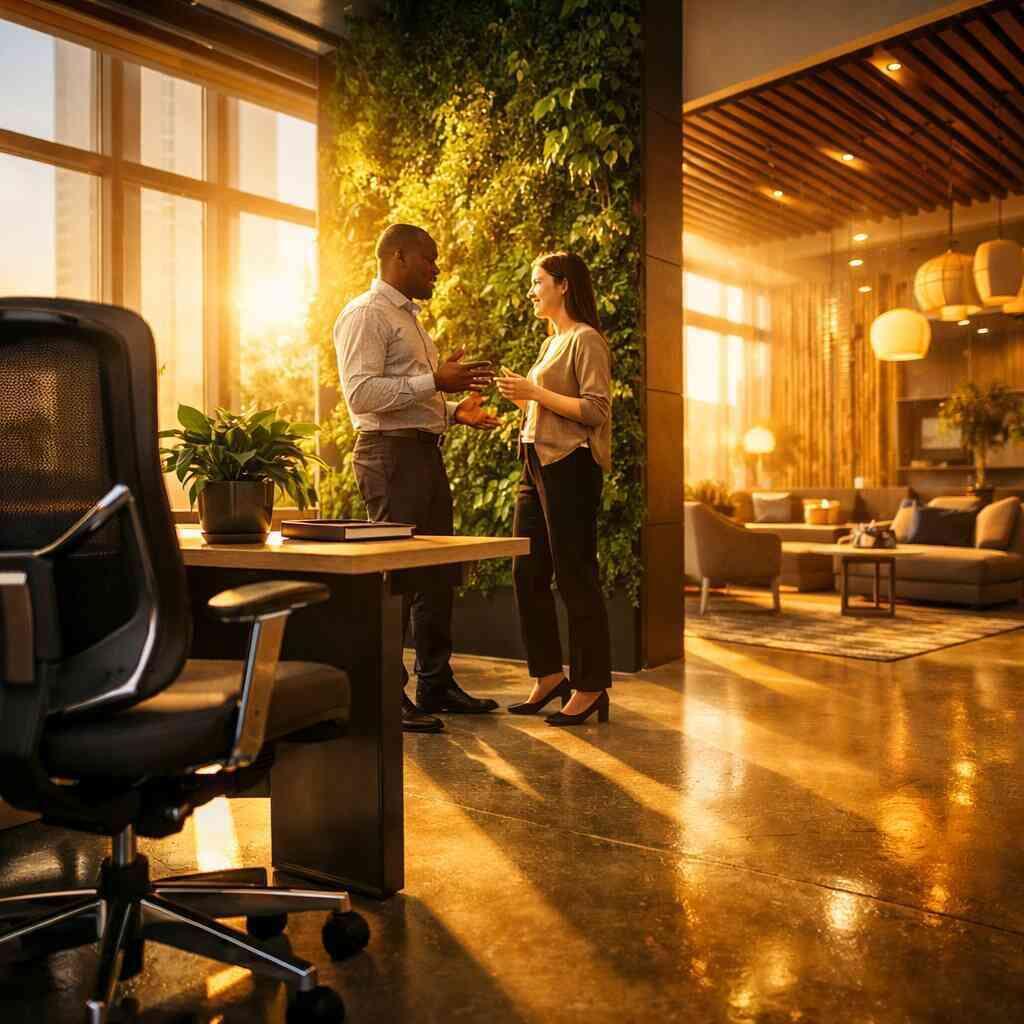
A modern office is a strategic asset for any Boca Raton business. This guide explores eight key renovation strategies to align your workspace with 2026's demands, focusing on productivity, talent, and growth.
Introduction: The Strategic Imperative of Office Renovation
Why Modernization is Non-Negotiable
An outdated office space directly hinders productivity, talent retention, and client perception. In today's competitive environment, strategic modernization is a fundamental requirement for growth. Proactive renovation signals a forward-thinking culture and is an investment in your company's future performance. Ignoring your physical workspace risks falling behind more adaptive competitors.
Aligning Space with 2026 Business Goals
Your office must be a dynamic tool that supports specific objectives. Successful renovation moves beyond cosmetic updates to consider how space influences behavior and outcomes. Thoughtful planning ensures the environment facilitates the workflows and culture you aim to cultivate. Your plan should originate from a clear understanding of your desired future state.
The Role of Expert Execution
Transforming a vision into reality requires expert knowledge of local commercial construction, codes, and craftsmanship. A seasoned general contractor acts as the crucial link between your business objectives and the finished project, managing logistical challenges and safeguarding your investment from concept to completion.
1. The Hybrid Harmony Model
Designing Fluid Spaces
The modern office is a curated hub for purposeful interaction. Designing for hybrid harmony means creating fluid spaces that support both focused individual work and dynamic team collaboration. This involves moving away from assigned desks to a variety of settings: touchdown stations for quick visits, focus pods for deep work, and open zones for spontaneous meetings. The goal is to make the in-office experience so valuable that employees are motivated to come in.
Technology for Seamless Workflows
Technology is the central nervous system of a hybrid office. Effective integration ensures remote and in-office teams collaborate as if in the same room. This requires robust video conferencing in every meeting space, intuitive room scheduling software, and ubiquitous high-speed connectivity. Cloud-based infrastructure and digital whiteboards remove physical barriers. Planning for this infrastructure during renovation prevents costly retrofits later.
Furniture and Layout Solutions
The right furniture and layout express your hybrid strategy. Lightweight, mobile furniture on casters allows quick reconfiguration. Sound-absorbing partitions and modular desk systems offer flexibility and acoustic control. A knowledgeable commercial remodeling contractor provides access to specialized, durable products and the expertise to create a layout that balances density with comfort for a dynamic environment.
2. Sustainable and Resilient Workplace Design
Implementing Eco-Conscious Materials and Systems
Sustainable design reflects corporate responsibility and offers smart financial benefits. Implementing eco-conscious materials means selecting low-VOC paints, adhesives, and finishes for superior indoor air quality. Using rapidly renewable or reclaimed materials reduces environmental impact. Integrating high-efficiency LED lighting with smart sensors and considering solar-ready roofing are key energy upgrades that lower operational costs and your carbon footprint.
Building for South Florida's Climate
Resilience is critical in Boca Raton. Renovation plans must account for humidity, intense sun, and storm potential. This includes specifying mold-resistant drywall and insulation, installing impact-resistant windows, and ensuring proper drainage and roofing systems. A durable, climate-adapted building envelope protects your assets and ensures business continuity, making resilience a core component of modern design.
The Long-Term Value of Green Design
Beyond immediate savings, sustainable design enhances employee well-being and brand reputation. Spaces with ample natural light, clean air, and biophilic elements (like plants and natural materials) are linked to higher productivity and reduced absenteeism. Furthermore, green certifications can be a powerful market differentiator, appealing to clients and top talent who prioritize environmental stewardship.
3. Biophilic Design and Wellness Integration
Bringing the Outdoors In
Biophilic design connects occupants with nature to reduce stress and enhance creativity. For Boca Raton businesses, this can mean maximizing access to natural light, installing living green walls, and using natural materials like wood and stone. Interior layouts that provide views to the outdoors and incorporate water features or nature-inspired textures create a more calming and restorative atmosphere.
Designing for Employee Well-being
Wellness integration extends beyond aesthetics. It involves creating dedicated spaces for respite, such as quiet rooms or wellness nooks. Ergonomic furniture that supports proper posture is essential. Consider incorporating circadian lighting systems that adjust color temperature throughout the day to align with natural body rhythms, supporting better sleep and focus.
Promoting Movement and Choice
An active design encourages movement, countering the sedentary nature of office work. This can be achieved with central staircases that are more inviting than elevators, sit-stand desks for all employees, and creating layouts that require walking to shared resources like printers or break areas. Providing a variety of workspaces gives employees autonomy over their environment, which is a key factor in job satisfaction.
4. Agile and Modular Workspace Configurations
The Power of Flexibility
Agile workspaces are designed to change as quickly as business needs do. This strategy employs modular walls, movable partitions, and furniture systems that can be easily reconfigured without major construction. This allows a team to expand a project area one week and create a new client presentation zone the next, ensuring the space never becomes a constraint to innovation.
Supporting Evolving Team Structures
As project teams form and disband, the physical space must adapt. Modular configurations allow you to create temporary team pods, brainstorming circles, or training areas on demand. This fluidity supports a culture of collaboration and rapid prototyping, making the office itself a tool for agility.
Cost-Effective Future-Proofing
Investing in an agile infrastructure is a form of future-proofing. Instead of undergoing another full renovation in a few years, you can make significant adjustments at a fraction of the cost and time. This approach protects your capital investment and demonstrates strategic foresight in planning for unknown future requirements.
5. Advanced Technology and Smart Building Integration
Creating an Intelligent Infrastructure
A smart office uses integrated technology to optimize the environment and experience. This includes IoT sensors that monitor occupancy to manage cleaning schedules and HVAC usage efficiently. Automated climate and lighting controls that adjust based on time of day or room usage create comfort while conserving energy. This data-driven approach turns your office into a responsive asset.
Enhancing Security and Access
Modern renovations should incorporate advanced, seamless security. Keyless entry systems using mobile credentials or biometrics improve security and convenience. Integrated security systems that include video monitoring and access logs can be managed centrally. For Boca Raton businesses, these systems also provide critical data for safety and compliance.
The Network as a Utility
In 2026, robust, scalable Wi-Fi and hardwired data connections are as essential as electricity. A renovation is the perfect time to install state-of-the-art network infrastructure, ensuring ample bandwidth and coverage for video conferencing, cloud applications, and an ever-growing number of connected devices. Overlooking this backbone can cripple an otherwise beautiful space.
6. Brand-Centric Design and Client Experience
Your Space as a Brand Ambassador
Your office should physically embody your company's brand, values, and story. This goes beyond placing a logo in the lobby. It involves using brand colors and motifs in design elements, selecting finishes that reflect your company's personality (e.g., innovative, reliable, creative), and curating artwork or displays that showcase your work and mission. Every touchpoint should reinforce who you are.
Designing for the Client Journey
Consider the path a client takes from the parking lot to the conference room. Is it impressive, intuitive, and comfortable? Create welcoming reception areas, clear signage, and client-facing zones that are both professional and engaging. A well-designed client experience space can turn a simple meeting into a powerful business development opportunity.
Fostering Cultural Identity Internally
Brand-centric design also works internally to reinforce culture. Displaying company values, celebrating employee achievements on walls, and creating communal spaces that encourage the interactions you want to foster all help build a strong, cohesive team identity. The environment becomes a daily reminder of what the organization stands for.
7. Data-Driven Space Planning and Analytics
Planning Based on Evidence, Not Guesswork
Before moving a single wall, use data to understand how your current space is actually used. Occupancy sensors, badge swipe data, and employee surveys can reveal underutilized areas, collaboration hotspots, and pain points. This evidence-based approach ensures your renovation investment solves real problems and enhances actual workflows.
Post-Occupancy Optimization
The learning shouldn't stop after the renovation is complete. Continuously gathering data on how the new space performs allows for ongoing optimization. You might discover a meeting room is always booked, signaling a need for more, or that a certain work zone is consistently empty, indicating a redesign opportunity. This creates a cycle of continuous improvement.
Measuring Return on Investment
Data helps quantify the success of your renovation. Track metrics like space utilization rates, employee satisfaction scores from regular surveys, and even broad indicators like recruitment success and retention rates. Being able to demonstrate a tangible return transforms the renovation from a cost center into a documented strategic investment.
8. Prioritizing Acoustics and Sensory Balance
Solving the Noise Challenge
In open or hybrid plans, uncontrolled noise is the top complaint. A strategic renovation must address acoustics holistically. This includes installing sound-absorbing ceiling tiles and wall panels, using acoustic partitions and furniture, and specifying flooring that dampens sound. Creating a mix of sonic environments—from quiet focus areas to buzzy collaboration zones—allows employees to choose a setting that matches their task.
Balancing the Sensory Experience
A well-designed office considers all the senses. This means managing glare with appropriate window treatments, ensuring consistent and comfortable temperatures, and even being mindful of ambient smells through good ventilation. A space that is sensorily balanced reduces cognitive fatigue and allows employees to focus on their work without environmental distractions.
Creating Zones of Focus and Collaboration
Intentional acoustic design involves zoning. Clearly delineate louder, collaborative areas from quiet focus zones through physical layout, materials, and even subtle visual cues. Providing ample, well-equipped enclosed rooms for phone calls or confidential conversations is non-negotiable. When employees trust they can find the right environment for their need, productivity and satisfaction rise.
Conclusion: Building for Tomorrow's Success
Implementing these eight strategies creates an office that is more than just a place to work; it becomes a catalyst for innovation, attraction, and resilience. For Boca Raton businesses looking ahead, a thoughtful renovation is one of the most direct ways to future-proof your operations and signal your commitment to excellence. By focusing on hybrid flexibility, sustainability, well-being, and smart technology, you build a workspace ready to meet the opportunities of 2026 and beyond.
Top 8 Office Renovation Strategies for Boca Raton Businesses 2026


Comments
Post a Comment