Strategic Budget Planning for Your 2026 Home Renovation
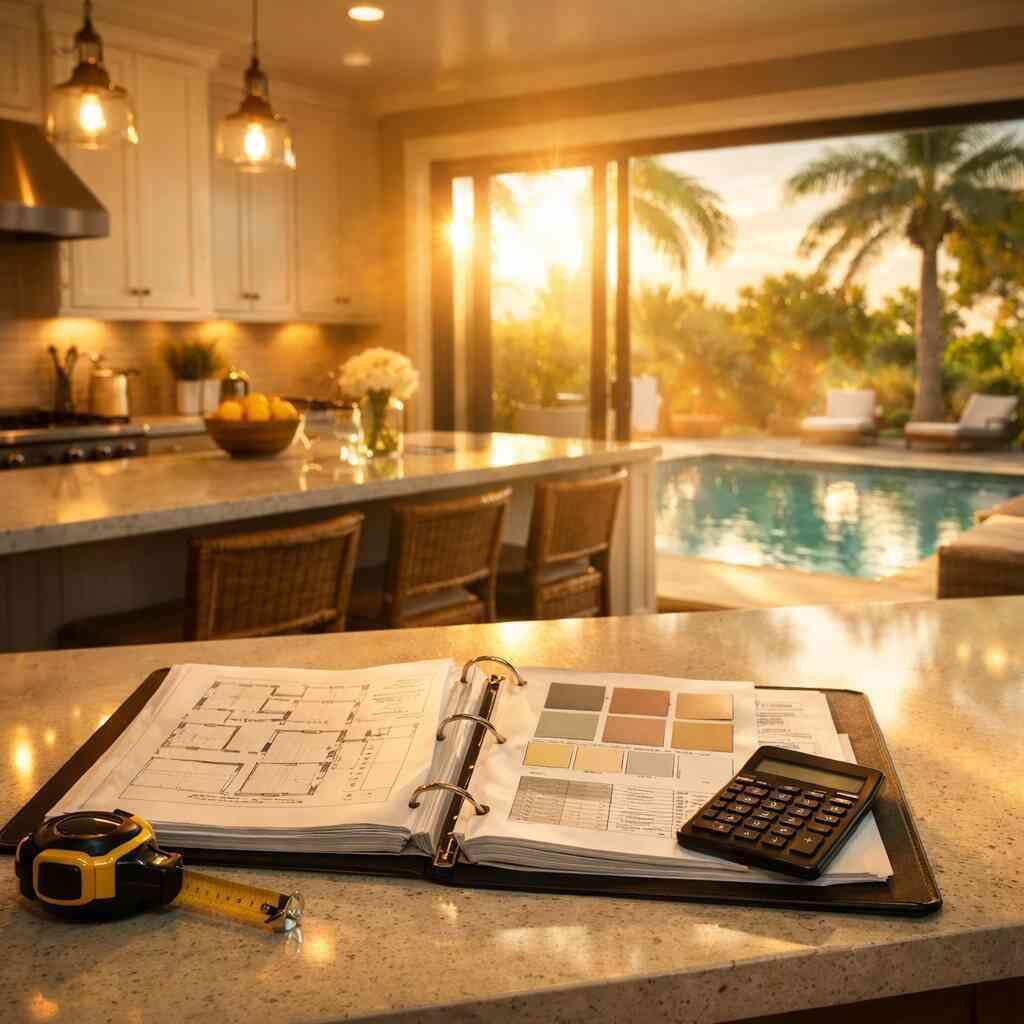
A successful home renovation in 2026 requires a strategic financial blueprint. This guide explores the essential steps for planning a remodel budget that aligns your vision with reality, ensuring your investment delivers lasting value and a smooth transformation process. The methodology focuses on meticulous planning, transparent communication, and a deep understanding of true costs from the very beginning.
Beyond the Quote: The Foundation of True Cost Estimation
Many homeowners start by comparing preliminary quotes, but this can be misleading without understanding what they truly encompass. Accurate construction cost estimation is a sophisticated process that goes far beyond a simple price per square foot. It involves a detailed analysis of your specific project scope, the quality of materials selected, and current market conditions for labor and supplies. A reputable general contractor will invest time in the pre-planning phase to uncover all variables, which prevents the shock of unexpected costs later and establishes a realistic financial framework. This diligence is the first critical step in responsible remodel budget planning.
Understanding these nuances empowers you to make informed decisions. For instance, the cost for a kitchen renovation can vary dramatically based on cabinet craftsmanship, appliance brands, and countertop materials. A professional estimator accounts for everything from structural modifications to final finishes and permit fees. This comprehensive view is essential for developing effective home renovation budget strategies that are both ambitious and achievable. Viewing this phase as an opportunity to refine your vision with financial clarity lays the groundwork for a predictable renovation journey.
The Art of Prioritizing Projects for Maximum Impact
Not all renovations offer the same return, especially when working within a defined budget. The art of prioritizing home renovation projects requires balancing immediate needs, long-term goals, and potential return on investment. You must decide whether a full kitchen overhaul takes precedence over adding a new bathroom or enhancing your home's curb appeal. This process involves honest conversations about which improvements will most significantly improve your daily life and your property's value. A seasoned contractor can guide this prioritization by highlighting which projects offer the best cost versus value analysis for your local market.
A practical approach is to categorize your wish list into three groups:
- Essentials: Address functionality or urgent repairs, such as outdated electrical systems or a leaking roof.
- High-Impact Improvements: Often include kitchen and bathroom remodels, which consistently offer strong emotional and financial returns.
- Future Luxuries: Might be a swimming pool or a dedicated home theater, planned for a later phase.
This structured approach ensures your budget is allocated to areas that matter most. It also allows for a phased plan, where you tackle essential projects now while saving for dream additions later. Strategic prioritization maximizes satisfaction and value from every dollar spent.
Demystifying the Estimate Breakdown
Transparency is the cornerstone of trust in any contractor-client relationship. A detailed remodeling estimate breakdown demystifies where your money is going, transforming a single large number into an understandable financial plan. This document should clearly itemize costs for materials, labor, subcontractors, permits, waste disposal, and the general contractor's overhead and profit. When reviewing an estimate, you should feel confident understanding each line item. This clarity allows for informed discussions about potential adjustments and trade-offs without sacrificing the project's overall integrity.
A proper breakdown also serves as an essential tool for budget management. It becomes your financial roadmap, against which all actual expenses are measured. Look for estimates that specify brands, model numbers, and quantities to avoid ambiguity. For example, a line item for "flooring" is less helpful than "500 sq. ft. of Brand X porcelain tile, including underlayment and installation." This level of detail prevents misunderstandings and ensures alignment on quality standards. By insisting on a comprehensive estimate breakdown, you take an active role in remodeling cost control and foster a collaborative partnership.
Building a Contingency Fund for the Unexpected
Even the most meticulously planned project can encounter unforeseen issues. This is why a contingency fund is a non-negotiable component of any sound renovation budget. Industry standards typically recommend setting aside 10% to 20% of your total project cost for unexpected expenses. These could include hidden structural problems discovered behind walls, necessary upgrades to meet current building codes, or minor changes in scope once work begins. Viewing this fund not as an extra cost, but as an essential part of your financial planning, provides crucial peace of mind.
The contingency fund acts as a financial buffer that keeps your project moving forward smoothly without requiring difficult last-minute decisions or compromising on quality. It allows you and your contractor to address surprises proactively and responsibly. A professional planning process will account for this from the start, ensuring your primary budget remains intact for the planned work while the contingency handles the unknowns. This approach is a hallmark of experienced project management and responsible financial stewardship.
The Value of Professional Guidance in Budget Planning
Navigating the complexities of a major renovation budget requires expertise. A professional general contractor brings invaluable experience to the financial planning table. They understand the true cost of quality materials, reliable labor, and efficient project sequencing. Their knowledge of local permit processes and building codes can prevent costly delays and rework. Perhaps most importantly, a trusted contractor acts as your advocate, helping you make choices that balance your aesthetic desires with practical budget constraints to achieve the best possible outcome.
This guidance extends throughout the project lifecycle, from initial estimation to final payment. A professional helps you avoid common pitfalls like underestimating labor costs or selecting materials that don't fit the budget late in the process. They provide a realistic timeline that correlates with cash flow needs. By partnering with an expert, you leverage their experience to create a budget that is not just a number, but a dynamic, workable plan that brings your 2026 renovation vision to life efficiently and effectively. The right planning turns financial investment into lasting home value and personal satisfaction.
How Boynton Beach Renovations Plans a Remodel Budget in 2026


Comments
Post a Comment