Choosing Durable Materials to Combat Salt Air in Boynton Beach
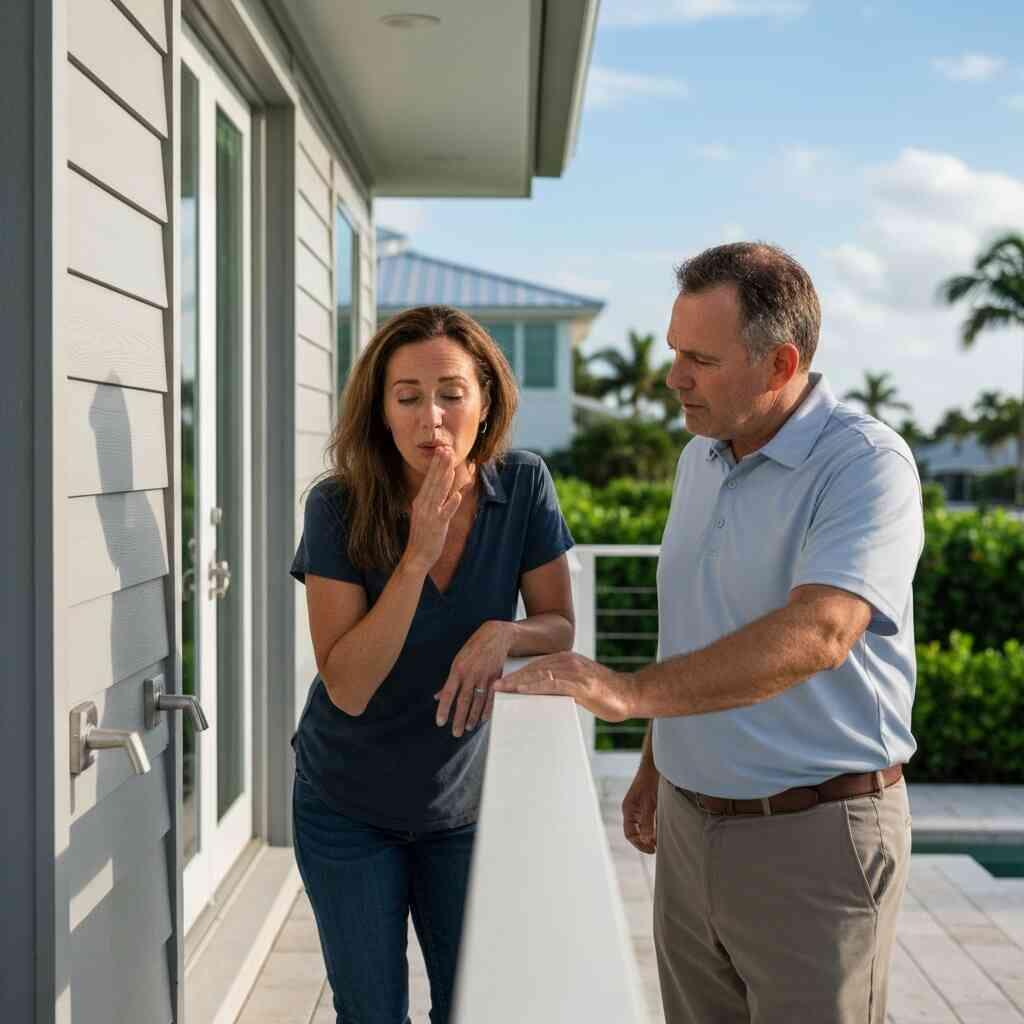
Living in Boynton Beach offers an unmatched lifestyle, but the salt-heavy air near the Atlantic Ocean acts as a constant catalyst for degradation. Every home along the coast faces a relentless assault from sodium chloride particles carried by the breeze. These microscopic crystals settle on your home's exterior, acting as an electrolyte that accelerates oxidation on any exposed metal or porous surface. Ignoring this environmental reality leads to structural fatigue and premature aging that often requires expensive remediation. Understanding how to combat these elements is the first step in successful property maintenance, ensuring your home remains functional and visually stunning throughout 2026 and beyond.
The Reality of Living Near the Atlantic
Salt air is a chemically reactive force that continuously attacks residential structures throughout South Florida. In communities located within a few miles of the beach, the concentration of airborne salt creates a high-salinity atmosphere that is significantly more aggressive than in inland areas. This salt accumulation absorbs moisture from the humid tropical air, creating a persistent layer of brine on your exterior surfaces.
Over time, this brine penetrates tiny fissures in paint, mortar, and sealants, reaching the underlying materials. Without proper intervention, even the sturdiest materials will begin to oxidize, crumble, or lose their structural integrity. Homeowners often notice that their exterior hardware begins to pit and rust far faster than the manufacturer's warranty implies.
Understanding Corrosive Impacts
The science of corrosion in a coastal environment is well-documented, yet many residents underestimate the speed of the process. When metal components are exposed to salt spray, a chemical reaction occurs that turns iron into iron oxide, commonly known as rust. This process expands the volume of the metal, which can cause cracking in concrete or stone surrounding embedded fixtures. Furthermore, high humidity levels exacerbate the problem by keeping surfaces damp for longer periods. This extended exposure to moisture prevents protective barriers from drying out, allowing the corrosive cycle to continue uninterrupted.
Spotting Early Signs of Damage
Perform a regular inspection of your property to identify signs of salt damage before they become major repair projects. Keep an eye out for these indicators:
- Bubbling or peeling paint on exterior walls.
- White, chalky residue forming on metal window frames.
- Darkened patches near hinges, door handles, and mailbox hardware.
- Orange streaks running down stucco surfaces, which often indicate rusting fasteners underneath.
- Visible oxidation on exterior lighting fixtures or pool enclosures.
Early detection allows you to replace compromised components with better, more durable versions before the underlying structure is affected. Taking a proactive approach to property maintenance is essential for protecting long-term market value.
Selecting Resilient Materials for Coastal Longevity
When selecting hardware and building components for your home in 2026, standard materials are often insufficient for the South Florida climate. Prioritizing performance over initial cost is a sound strategy for coastal homeowners.
Marine Grade Stainless Steel
When selecting hardware for doors and windows, we recommend using marine-grade stainless steel. This specialized material contains a higher percentage of molybdenum, which creates a more robust passive layer on the surface of the steel. While it may require a higher initial investment than traditional hardware, the longevity it provides is unmatched in our environment. You will spend significantly less time and money on maintenance, cleaning, and replacing corroded hinges, handles, and locks.
Fiber Cement Board
Traditional wood siding often struggles to survive in our humid, salt-heavy climate due to warping, rotting, and pest infestations. For this reason, many homeowners are turning to fiber cement board. This material is engineered to withstand extreme weather conditions, including the heavy winds and salt spray that define our coastal environment. It is non-combustible, resistant to salt erosion, and does not provide a food source for termites. When installed with proper spacing and high-quality coatings, it keeps your home looking fresh while providing an impenetrable shell against the elements.
Anodized Aluminum
Anodizing is an electrochemical process that thickens the natural oxide layer on the surface of metal parts. This makes them incredibly resistant to the elements compared to standard painted aluminum. Because the finish is part of the metal rather than a coating, it does not flake or peel when exposed to the harsh sun and salt air. It is an excellent choice for window frames, door thresholds, and structural exterior accents. By opting for these high-performance materials, you create a home environment that is prepared to stand up to the unique challenges of the Boynton Beach coastline.
Best 2026 Materials for Salt Air Corrosion in Boynton Beach


Comments
Post a Comment