Florida 2026 Building Code Updates for Coastal Renovations
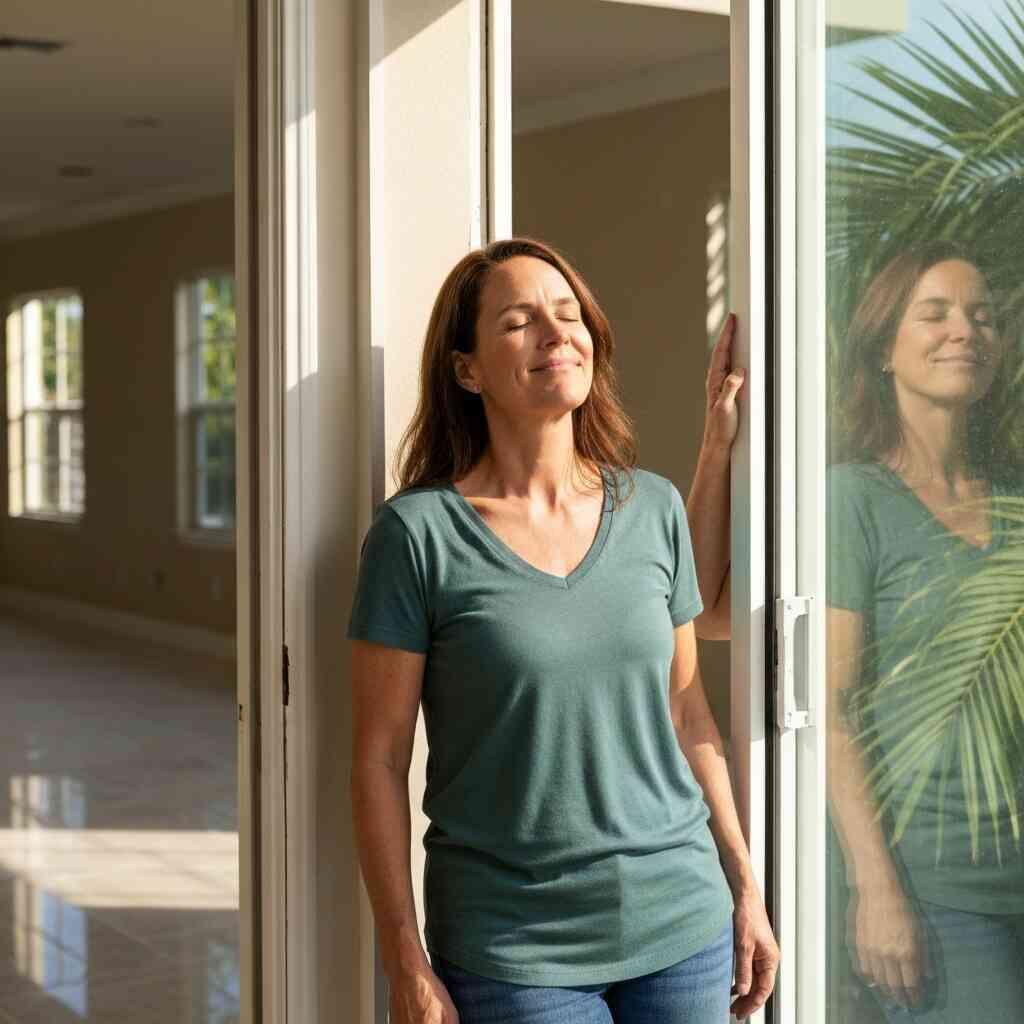
Navigating 2026 Florida Building Code Changes for Coastal Homes
Renovating a home in South Florida requires more than just a vision for design; it demands a deep understanding of the regulatory landscape that governs construction near the Atlantic. As we move through 2026, building codes continue to evolve to meet the unique environmental pressures of our barrier island geography. Understanding these mandates is essential for any homeowner planning a renovation, as these standards are designed to protect your investment from the harsh realities of salt air, high humidity, and extreme weather.
The Coastal Environment as a Project Constraint
Living near the ocean in South Florida is a privilege that comes with specific technical requirements. The combination of salt-laden air and persistent high humidity creates an aggressive environment for traditional building materials. When planning a remodel, it is vital to recognize that standard construction methods often fail prematurely in this climate.
Material Selection in a Saline Environment
Salt spray acts as a silent catalyst for corrosion, particularly for metallic components. Standard steel fasteners, hinges, and basic aluminum extrusions will oxidize quickly if they are not selected with the coastal climate in mind. For high-performance renovations, specifying marine-grade materials—such as stainless steel hardware and specialized non-corrosive fasteners—is the industry standard for longevity.
Beyond corrosion, humidity management is critical. Moisture that finds its way behind wall assemblies or beneath finished flooring often leads to mold growth and structural compromise. Using moisture-resistant materials like high-density porcelain tile, glass-backed substrates, and engineered composites helps prevent the absorption issues that frequently plague older coastal properties.
Flood Zones and Elevation Mandates
Your property's specific location relative to the Atlantic coastline dictates many of the regulatory hurdles you will face. Properties identified within high-risk flood zones are subject to strict base flood elevation requirements. These mandates are intended to shield your home from the potential damage associated with storm surges.
Before undertaking any major home addition or structural modification, it is standard practice to verify the current flood-proof status of your residence. Aligning new square footage with federal and local safety standards is not just a regulatory checkbox; it is a critical step in preserving your insurance eligibility and long-term property value. Working with a qualified structural engineer during the design phase ensures that your project remains compliant with these necessary elevation standards.
Prioritizing Structural Resilience Against Storms
In Palm Beach County, hurricane-resistant construction is the cornerstone of responsible home ownership. The latest building codes emphasize the creation of a continuous load path, which effectively transfers wind forces from the roof structure down to the foundation. This system of reinforcement is essential for keeping your home secure during severe wind events.
Reinforcing Roof-to-Wall Connections
One of the most vulnerable aspects of an older home is the connection between the roof rafters and the wall plate. While many legacy homes relied on simple toenailing, modern standards require more robust mechanical attachments. Installing high-strength hurricane straps and structural clips provides the necessary positive mechanical connection to resist uplift forces. Securing these connections is a fundamental component of any roof replacement or structural renovation project today.
The Role of Impact-Rated Fenestration
Windows and exterior doors are frequently the weakest points in a home’s protective envelope. When these elements fail, wind pressure can build up inside the structure, leading to catastrophic damage. Current building codes mandate the use of impact-rated fenestration to prevent wind-borne debris from breaching the interior.
Impact-resistant technology utilizes high-strength, laminated glass that remains intact even when struck by flying debris. Beyond the obvious storm-safety benefits, these products offer exceptional noise reduction and can contribute to lower home insurance premiums. Opting for high-performance glass is a long-term investment that secures your property while maintaining your aesthetic vision.
Meeting High-Velocity Hurricane Standards
For major projects, compliance with the High-Velocity Hurricane Zone (HVHZ) requirements is often required. These standards are among the most stringent in the country, focusing on the exterior envelope's ability to resist high-velocity winds and debris. Whether you are adding a master suite or retrofitting an existing space, professional oversight ensures that every load-bearing element is properly evaluated against current wind-load design criteria.
By staying informed about these 2026 building code updates, you position your renovation project for long-term success. Focusing on the integrity of your structural connections, the quality of your finish materials, and the security of your windows and doors provides the peace of mind that comes from knowing your home is built to withstand the unique climate of South Florida.
Florida Building Code Updates for 2026 Renovation Projects


Comments
Post a Comment