Mastering HOA Approval for Your Delray Beach Home Project
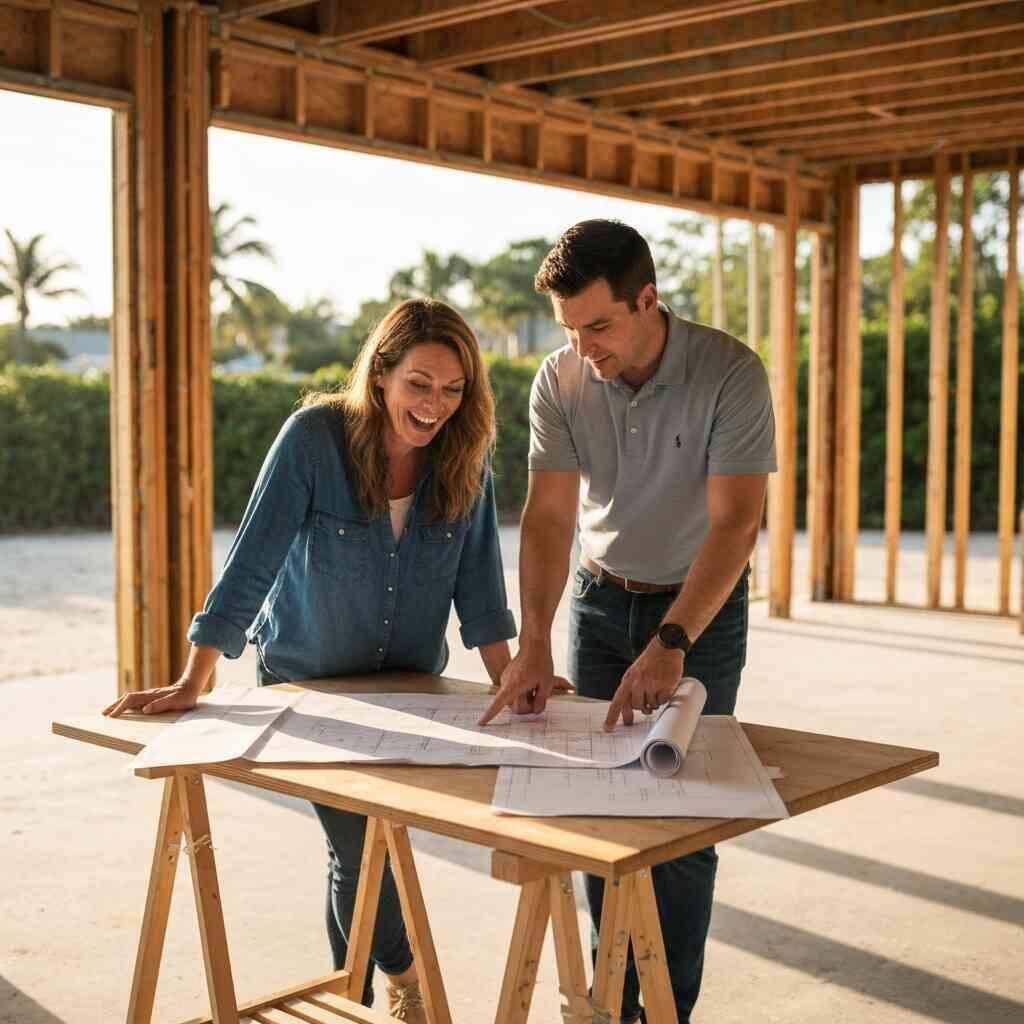
Embarking on a custom home build or a major renovation in Delray Beach requires more than high-quality craftsmanship. It also demands navigating the specific regulations set forth by your local homeowners association. Many homeowners feel overwhelmed by the complex paperwork and board reviews required before construction begins. Understanding this process early helps prevent project delays and unexpected budget overruns. This guide offers insights into how you can keep your project on track while respecting the character of your neighborhood.
Decoding Neighborhood Rules
Living in a premier community often means adhering to governing documents known as the Declaration of Covenants, Conditions, and Restrictions. These rules exist to maintain property values by ensuring a consistent visual appeal across the neighborhood. When you plan a renovation, you are legally obligated to follow these community aesthetic preservation rules. Failing to do so can lead to costly fines or even a forced stop to your construction work. Most boards prioritize consistency regarding roof materials, exterior paint colors, and landscaping. We recommend obtaining the latest version of your community's guidelines before you finalize your architectural plans.
Why Architectural Review Drives Your Timeline
The architectural review process is often the most significant bottleneck for any major home project in 2026. Many associations rely on a board that meets only once a month to review submission packets. If your application lacks specific details, the board might defer your request to the following month, stalling your timeline by several weeks. Experienced builders anticipate the board's questions and provide all necessary documentation during the first submission. By proactively addressing concerns regarding sightlines, building heights, or drainage, you avoid unnecessary rounds of revisions. Keeping your timeline realistic requires accounting for these administrative cycles from the very beginning.
Municipal Permits Versus Design Guidelines
It is a common mistake to assume that receiving approval from the city building department is the final hurdle. Municipal building permits are strictly concerned with life safety, structural integrity, and compliance with the Florida Building Code. In contrast, association design guidelines focus on the subjective elements of how your home looks compared to its neighbors. You might receive a city permit for an addition that the HOA denies because it violates their specific design standards. We advise homeowners that these two approval processes should ideally run in tandem to avoid wasted time. Ensuring your architectural plans meet both the stringent code requirements and the specific aesthetic restrictions of your local community is essential for a smooth project.
Crafting a Winning Submission Package
Submitting an incomplete application is the fastest way to get your renovation plans rejected by a committee. A professional construction submission package should include detailed site surveys, material samples, and professional architectural renderings. High-quality drawings provide the committee with a clear view of your intended finished product, which helps build trust during the review phase. Focus on transparency by providing exact dimensions for exterior changes to ensure there is no guesswork for the board members. By presenting a thorough package, you demonstrate that you are a serious homeowner who respects neighborhood standards, which often leads to a faster and more favorable decision.
Balancing Coastal Requirements and Design
Florida's harsh climate demands specific material choices, and associations often strictly regulate the durability and appearance of these elements. When planning for coastal home design requirements, you must balance aesthetics with hurricane-resistant needs. For example, your chosen impact windows must not only be rated for high wind speeds but also match the existing window mullion patterns in the neighborhood. Similarly, roofing materials must meet fire codes while staying within the pre-approved color palette of your community. Selecting high-performance materials that check all the boxes for both the board and the local building department is a crucial step in the planning phase.
Navigating Exterior Color Palettes
Color is one of the most scrutinized elements during an association review because it significantly impacts the neighborhood's overall look. Many communities have a limited list of pre-approved color palettes. If you wish to deviate from these, you must prepare a strong, visual-heavy argument for why your choice respects the architectural integrity of the home and the surrounding properties. Providing physical color swatches or digital mock-ups showing how the colors will look under Florida's intense sunlight can be helpful.
Staying Organized Throughout the Process
Communication with your HOA board should remain professional and proactive throughout the duration of your project. If the committee has questions, respond promptly with the requested data. Keeping a detailed log of all correspondence, meeting dates, and approval documents will serve you well if any disputes arise during the construction phase. By approaching the HOA as a partner in maintaining the community's standards rather than an adversary, you are more likely to achieve a successful outcome for your home improvement goals in 2026.
Delray Beach Home Builders Guide to HOA Approval Success


Comments
Post a Comment