Planning a Commercial Remodel in Delray Beach: 2026 Guide
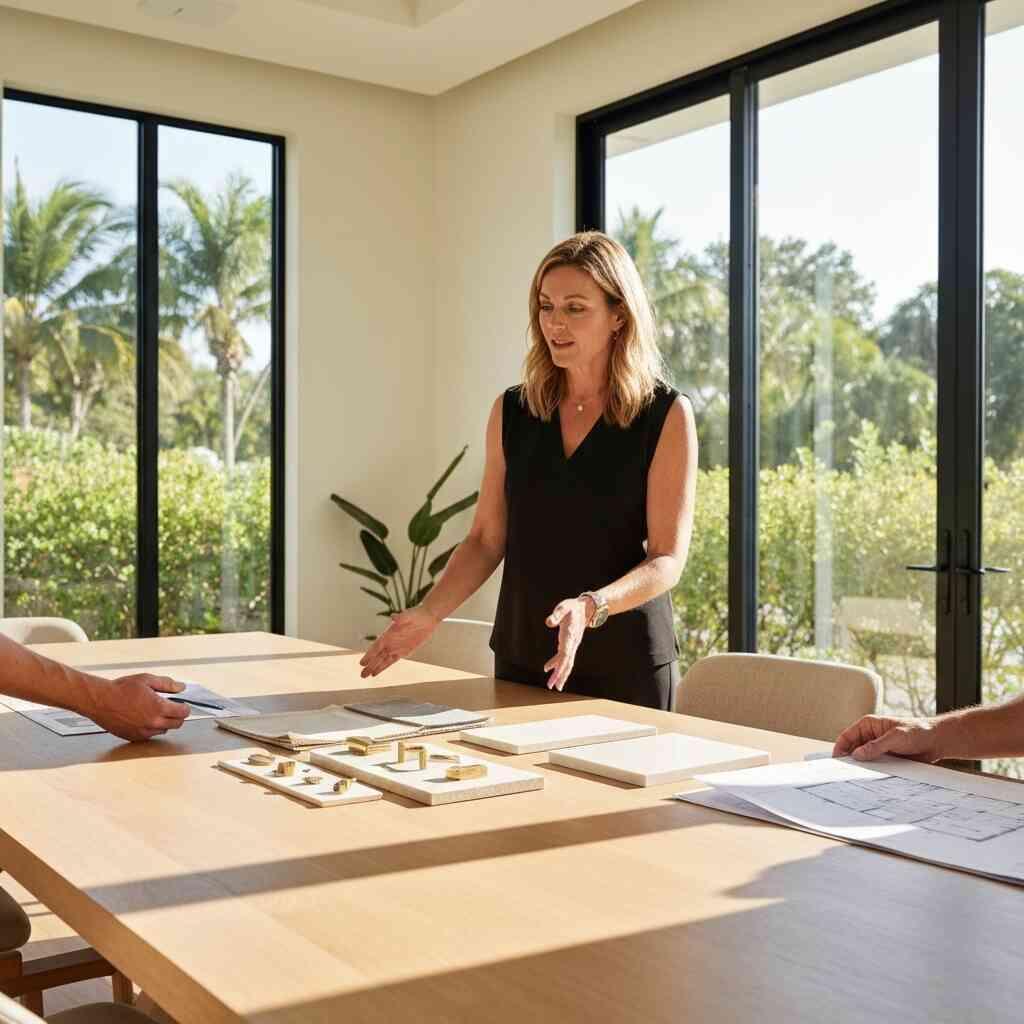
When a business environment fails to evolve alongside company growth, physical limitations often become significant barriers to success. A cramped lobby or an inefficient floor plan can stifle innovation and leave clients with an outdated impression of your brand. Transforming your workplace in 2026 requires a calculated strategy to align your physical space with long-term operational goals. By prioritizing office space optimization, you turn your facility into a tool that drives productivity and enhances your commercial renovation return on investment.
Defining Your Vision for Optimization
Every successful renovation begins by identifying exactly how your team utilizes every square foot of the office. Evaluate current workflows to pinpoint where bottlenecks occur during daily tasks. Consider whether your staff needs private zones for deep work or if your office culture thrives on high-energy, collaborative areas. Drafting a clear vision allows you to focus your budget on features that move the needle for your business operations. This initial phase ensures that your project serves a functional purpose rather than just changing the aesthetic.
Assessing Structural Integrity
Delray Beach properties face unique challenges from salty ocean air and the intensity of the Florida sun. Before you begin demolition, a professional must inspect the building to ensure the structure can support your planned modifications. Look for signs of moisture intrusion, rusted structural steel, or outdated electrical panels that cannot handle modern technology loads. Addressing these hidden issues early prevents costly change orders during the construction project management phase. A thorough assessment builds a solid foundation for your investment.
Understanding Local Building Code Requirements
Rules governing commercial construction in our area are strict, and they exist to protect your assets and your people. Staying ahead of current building code updates is essential to ensure your project passes every milestone without delays. Inspectors look closely at egress paths, structural framing, and specialized electrical requirements. Working with a team that understands these municipal standards helps prevent the frustration of failed inspections. When you align your design with local codes from the start, the approval cycle moves significantly faster.
Strategic Design for Modern Productivity
Modern workplaces must balance social synergy with the necessity of quiet, focused zones. Open concept floor plans remove physical barriers that often prevent quick communication between team members. By using glass partitions, you maintain an airy, professional feeling while providing enough sound control for focused activities. Careful placement of furniture creates natural flow patterns that guide employees toward communal hubs. This design strategy boosts interaction and helps your team feel connected to the broader business mission.
Workspace Ergonomics and Staff Comfort
Your employees spend more time at their desks than almost anywhere else during the workweek. Investing in high-quality, adjustable seating and sit-stand desk solutions reduces fatigue and prevents long-term health issues. Proper desk height, monitor placement, and lighting levels minimize eye strain and improve daily endurance. When the office feels comfortable, your team produces higher-quality work and reports greater satisfaction. Ergonomics is a practical investment that yields measurable improvements in daily performance and staff retention.
Interior Branding and Identity
Your office interior should communicate your brand values the moment a client steps through the front door. Consistent use of company colors, intentional logo placement, and materials that mirror your industry helps solidify your professional reputation. Think about how the layout supports your specific business model—whether you are a law firm needing absolute privacy or a creative agency requiring open, flexible spaces. Branding is about the feeling a visitor gets when they occupy your space. A well-designed interior creates an immediate, lasting connection with your target market.
Navigating Safety and Accessibility
Federal and state laws require that your facility remains accessible to everyone. Your plans must incorporate specific doorway widths, ramp slopes, and restroom clearances as mandated by the Americans with Disabilities Act. Ignoring these requirements during the initial design phase is a critical error that can lead to expensive rework later. Prioritizing these safety standards is essential because an inclusive workplace benefits everyone who enters your building. Accessibility design is both a legal requirement and a hallmark of a welcoming, professional business.
Meeting Fire Safety Standards
Fire safety involves more than just placing smoke detectors in the hallway. Your layout must provide clear, unobstructed exit routes that meet the latest standards for occupant load. Ensure that emergency lighting and signage are integrated into your design so that safety measures are both effective and aesthetically discreet. By consulting with experts who understand local fire safety ordinances, you protect your employees and ensure your business remains compliant throughout the renovation process and beyond.
How to Plan a Commercial Remodel in Delray Beach 2026


Comments
Post a Comment