Historic Home Restoration in West Palm Beach: A Practical Guide
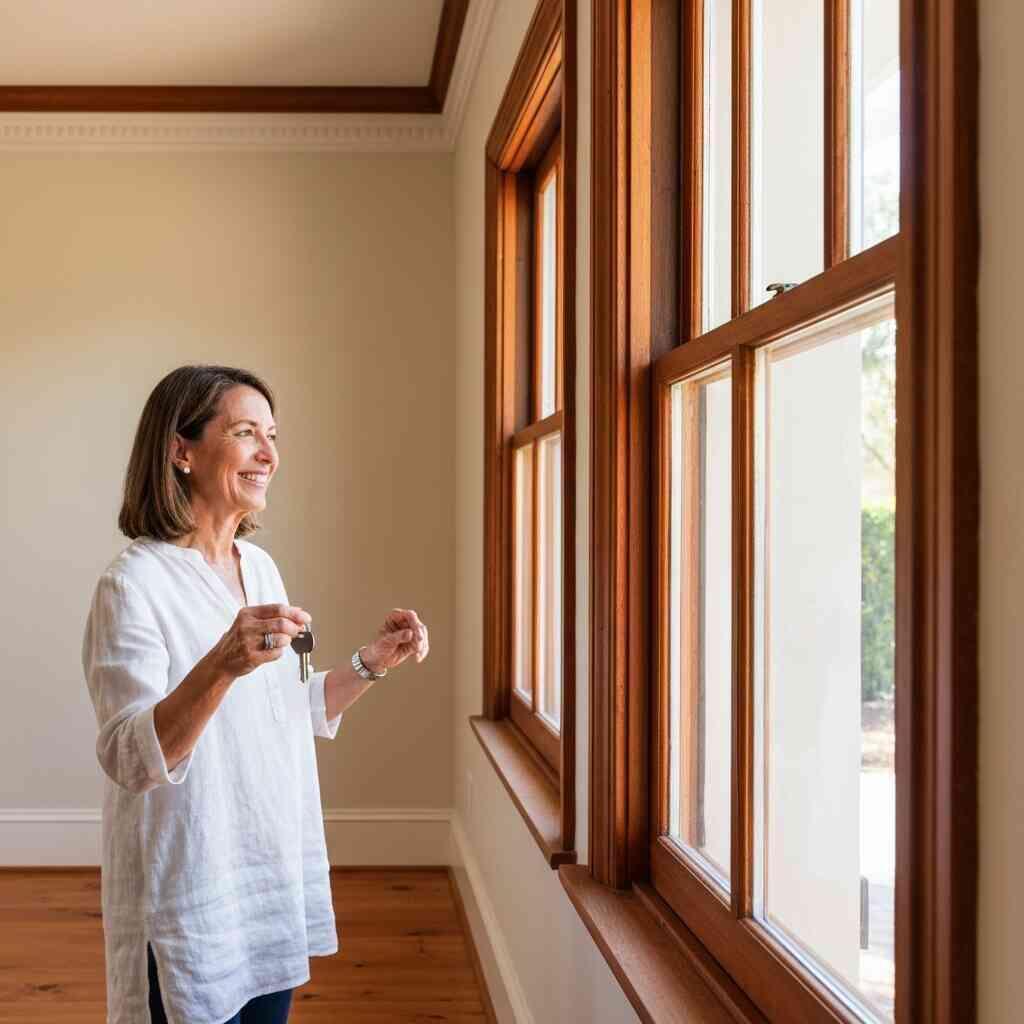
Owning a piece of local history in South Florida is a dream for many, yet it brings a unique set of responsibilities. You likely fell in love with your home for its high ceilings, crown molding, or the way the morning light hits the porch. However, time takes a toll on even the most well-built estates. Whether you are dealing with settling floors or outdated systems, historic home restoration in West Palm Beach is a journey that requires patience and respect. Understanding how to upgrade your property without erasing its story is the secret to a successful project.
Breathing New Life Into Your Historic West Palm Beach Home
Historic homes possess a soul that modern construction cannot replicate, and they deserve specialized care during any project. When you improve your living space, treat every original architectural detail as a precious artifact. Rushing the process or using cheap materials will degrade the integrity of the structure. Study your home's original floor plan and materials to inform your renovation decisions. A sensitive, thoughtful approach ensures that your home continues to stand proudly for another hundred years.
Why your home deserves a gentle touch
Original materials like heart pine flooring or old-growth mahogany window frames are increasingly rare. Instead of gutting every room, preserve what is still functional and aesthetically pleasing. Gentle cleaning methods often reveal the beauty hidden under layers of paint or decades of grime. If a component must be replaced, prioritize matching the original dimensions, wood species, and profile exactly. Your home has withstood years of salt air and tropical weather, so honor that resilience with high-quality, period-appropriate choices.
Balancing modern comfort with original character
Today's homeowners expect modern conveniences, but these upgrades should not clash with your home's historic aesthetic. You can integrate updated plumbing and electrical systems behind the walls without destroying original baseboards or wall treatments. Consider smart home technology that remains hidden, such as climate control sensors tucked away from high-traffic areas. The goal is to make your daily routine easier while keeping the visual experience grounded in the home's original design language. Achieving this harmony makes your house feel like a comfortable home rather than a sterile museum piece.
The role of a trusted West Palm Beach renovation contractor
When you tackle a project of this scale, you need a partner who values craftsmanship over speed. A professional West Palm Beach renovation contractor understands the specific challenges of local architecture and climate. They guide you through the process, identifying potential pitfalls before they become costly headaches. By leaning on an experienced team, you ensure that every hammer strike and paint stroke serves the greater goal of preservation. Trust is the foundation of any great renovation, and choosing the right team makes all the difference in the final result.
Understanding the Rules of Architectural Preservation
Navigating the legal landscape of a historic renovation is an essential part of the process. Every historic district has specific guidelines designed to keep the neighborhood's charm intact. Before you buy a single box of tile or sign a contract, get familiar with the local expectations for exterior changes. Following these rules protects your property value and prevents future legal issues. Respecting local regulations ensures your project contributes positively to the historic character of your street.
How to follow architectural preservation guidelines
Most historic areas in Palm Beach County have clear standards regarding materials, colors, and building forms. Architectural preservation guidelines in Palm Beach County usually dictate what you can change on your home's street-facing facade. You might be required to retain original window styles or use specific roofing materials that mimic period-appropriate textures. Familiarize yourself with the historic board's requirements early on to save yourself from redesigning your plans later. By working within these boundaries, you preserve the visual narrative that makes your neighborhood so desirable.
Working with local building officials
Establishing a good relationship with your local building and zoning officials can streamline your entire project timeline. Your chosen contractor should act as a liaison, translating technical requirements into actionable plans for your home. These offices offer valuable resources and guidance that can help you avoid common mistakes during the design phase. Transparency is key, so ensure your plans clearly outline any modifications you intend to make to the structure. Having a proactive conversation with officials demonstrates your commitment to quality and sets a professional tone for the work ahead.
Securing permits for your historic district property
Filing for the proper permits is a non-negotiable step in any historic restoration project. Permits protect you, your contractor, and the long-term value of your home. The approval process may take longer for historic properties, so plan your timeline accordingly. Work closely with your contractor to assemble all necessary documentation, including site plans, material specifications, and photographs of existing conditions. A well-prepared permit application moves through the system faster and reduces the chance of costly revisions later.
Selecting Materials That Honor the Past
Choosing the right materials is one of the most visible ways you can honor your home's history. Whenever possible, salvage original materials from other parts of the house or source reclaimed pieces from local architectural salvage yards. For new materials, select options that replicate the look and feel of the originals without sacrificing durability. Modern synthetic materials can sometimes mimic historic textures while offering better resistance to moisture and insects. Discuss these options with your contractor to find the best fit for your specific project.
Preserving Interior Details
The interior of a historic home often holds the most character. Focus on retaining original woodwork, plaster details, and hardware. If you need to update a kitchen or bathroom, consider layouts that work with the existing footprint rather than rearranging walls. Use period-inspired fixtures and finishes that complement the home's era. Simple touches like reproducing original doorknobs or light fixtures can maintain authenticity without sacrificing function.
Final Thoughts
Restoring a historic home in West Palm Beach is a rewarding endeavor that demands careful planning and a respectful touch. By working with knowledgeable professionals, understanding local regulations, and choosing materials wisely, you can create a home that honors its past while serving your present needs. The result is a living space that tells a story and offers comfort for years to come.
Selecting West Palm Beach Renovations for Historic Restores


Comments
Post a Comment