How Delray Beach Builders Speed Up 2026 Building Permits
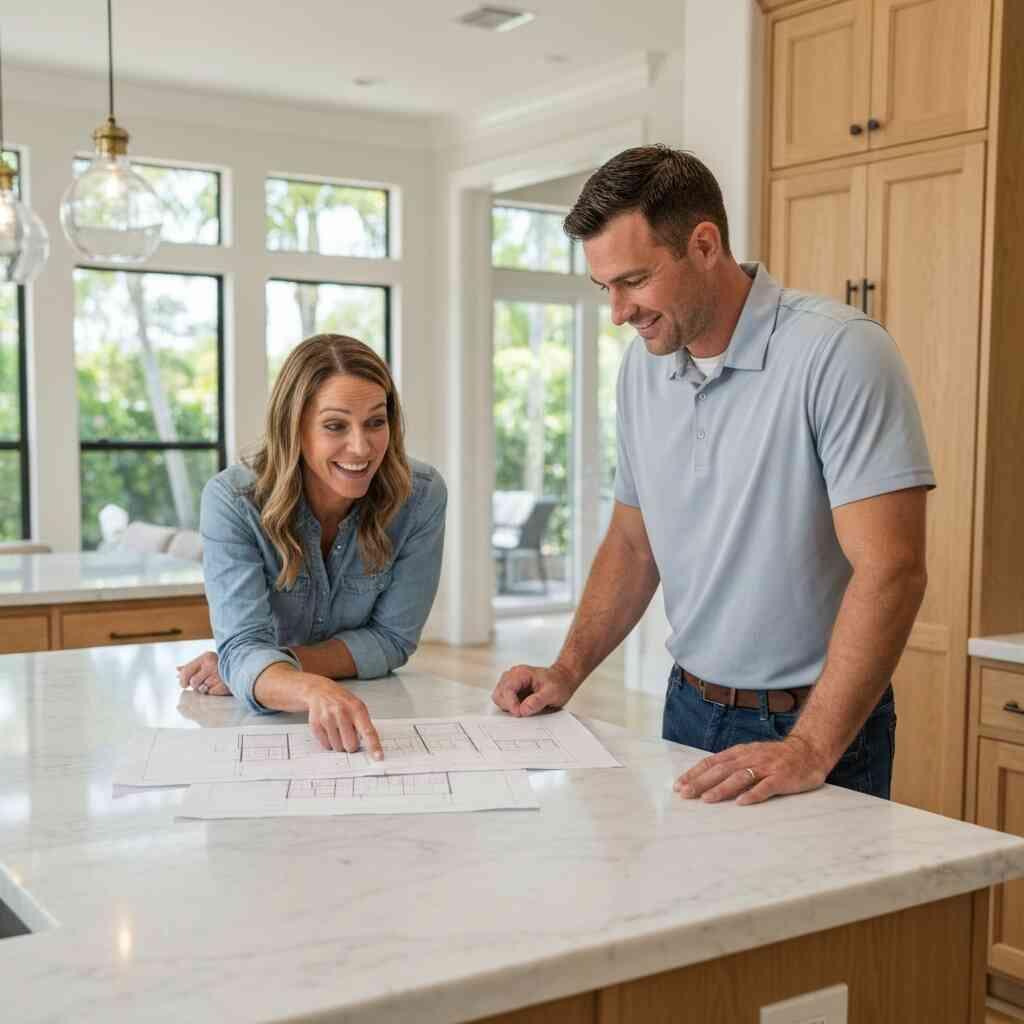
Building a luxury custom home or undertaking a major renovation in Delray Beach requires much more than selecting high-end finishes and hiring skilled craftsmen. In 2026, the true indicator of a successful, on-schedule residential project is how efficiently a building team navigates the local administrative landscape. Many homeowners underestimate the time required for municipal reviews, but experienced professionals know that front-end planning is what keeps a project moving forward.
By anticipating common bottlenecks and understanding local requirements, builders can prevent costly delays before the first shovel hits the dirt. This guide explores how premier home builders manage permit timelines and keep construction projects on track.
The Reality of Modern Building Approvals
Navigating the bureaucratic side of residential construction in Florida requires deep local expertise and constant communication with city officials. When you start a custom build, your plans must pass through a complex web of safety codes, environmental regulations, and zoning mandates. Without an experienced team driving this process, administrative hurdles can easily push your move-in date back by several months.
The primary goal of a proactive builder is to manage this friction behind the scenes. Approaching every application with absolute precision ensures that all submittals meet local expectations on the very first try, saving weeks of back-and-forth revisions.
Why Custom Home Timelines Hinge on Local Efficiency
The speed of a construction project is rarely limited by the physical labor on site. Instead, it is almost always determined by the administrative review period. A reliable construction timeline depends on submitting flawless plans that local inspectors can approve without requesting multiple rounds of corrections.
To maintain efficiency, a builder must establish clear, transparent communication with the local building department. If a design element conflicts with a setback regulation, identifying that conflict during the initial planning phase is essential. Catching these discrepancies early prevents the project from stalling while waiting for revised documentation to slowly work its way back through municipal channels.
Understanding the Permit Approval Process in Palm Beach County
Securing a residential building permit in Palm Beach County requires a meticulous, detail-oriented approach. Every single project must satisfy strict regional criteria regarding lot coverage, water drainage, and structural integrity.
A complete permit application package typically includes:
- Detailed architectural drawings
- Comprehensive site surveys
- Specialized engineering certifications
- Environmental impact reports
Staying updated on local county ordinances is a full-time job. Experienced builders constantly monitor regulatory changes to ensure that new designs are not caught off guard by updated rules. Understanding the workflow of county departments allows builders to guide paperwork through the system with far greater predictability.
The Design-Build Advantage in Permitting
Choosing a design-build firm offers a major advantage when it comes to reducing administrative delays. In a traditional setup, the architect and the general contractor work independently, which can lead to communication gaps and conflicting plans.
A design-build firm consolidates these services under one roof. Because the designers and the construction team work together daily, they can identify and resolve potential code conflicts long before the plans are submitted to the city. This internal alignment ensures a much smoother review process, as the builders know exactly how to interpret and execute the approved plans.
Mastering Technical and Environmental Standards
Building along the Florida coastline demands highly specialized engineering. From high wind zones to corrosive salt air, every material and technique used must be chosen for its long-term durability. Modern coastal architecture must balance aesthetic appeal with extreme structural resilience.
Ensuring Strict Florida Building Code Compliance
Adhering to the Florida Building Code is the absolute baseline for safety and longevity. Modern coastal contemporary homes, which often feature wide-open floor plans and massive glass walls, require advanced structural engineering to meet these strict standards.
By prioritizing strict code compliance from day one, builders eliminate the risk of failed site inspections. A single failed inspection can halt construction for weeks, making proactive compliance one of the most effective timeline-management tools available.
Wind and Weather Resistance
Living near the ocean means building with hurricanes in mind. Modern coastal homes utilize impact-resistant windows, reinforced concrete slabs, and advanced wind-load engineering. These elements are not just safety features; they are highly regulated structural requirements that must be clearly documented in the initial permit application.
Planning for Success
The key to a successful build in 2026 is avoiding the temptation to rush the design phase. Spending extra time perfecting the blueprints, securing engineering sign-offs, and double-checking local zoning laws always saves time in the long run. By choosing a team that understands the local landscape, you can watch your dream home come to life without the stress of unexpected administrative delays.
How Delray Beach Home Builders Manage 2026 Permit Timelines


Comments
Post a Comment