How to Plan a Highly Efficient Commercial Office Remodel
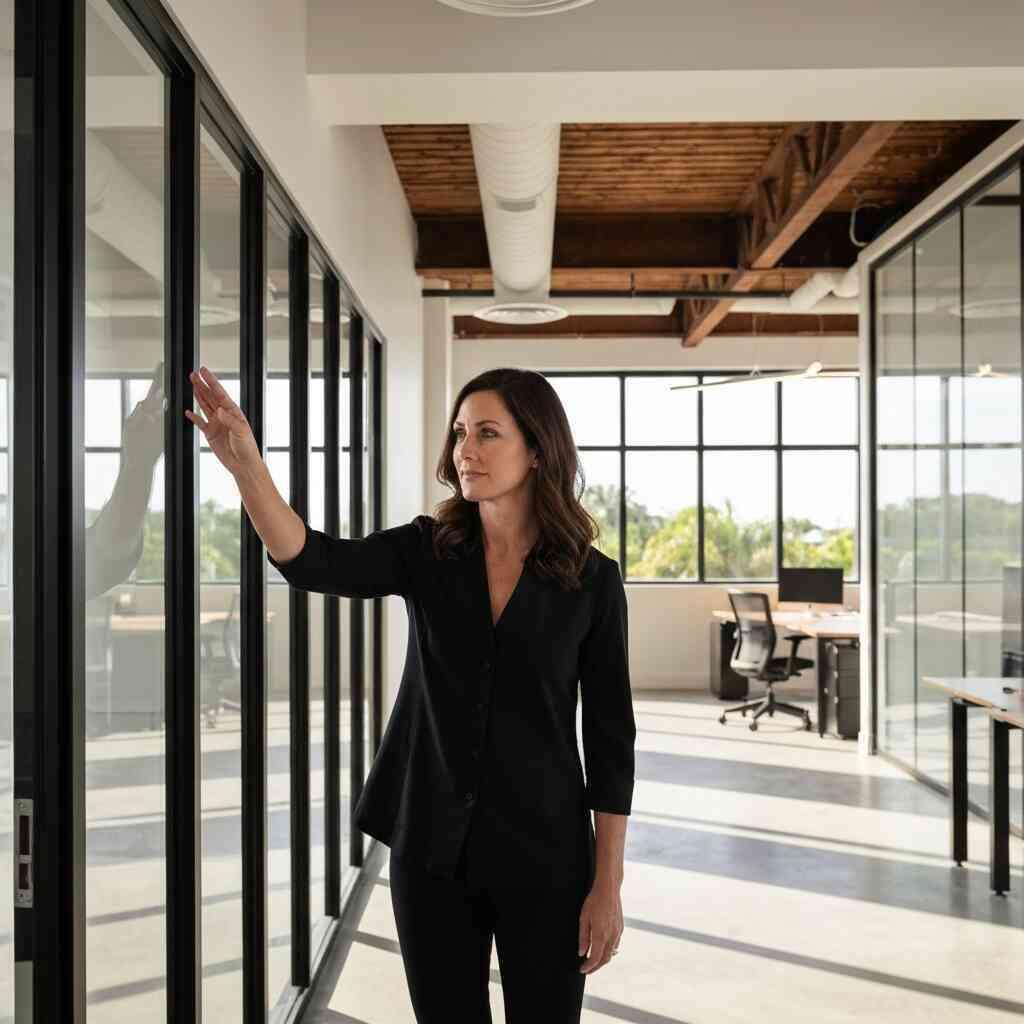
A successful office remodel goes far beyond changing the paint on the walls. In 2026, creating a highly functional workspace requires a strategic approach that balances employee performance, company culture, and long-term business goals. Whether you operate a small boutique studio or manage a large corporate headquarters, the design choices you make today will influence your daily operations for years to come.
Planning a renovation can seem overwhelming, but breaking it down into structured phases keeps the project on track. This guide explores five essential steps to achieve an efficient, modern commercial office remodel that supports your team and impresses your clients.
Step 1: Analyze Team Workflow and Optimize Layout Flow
The physical layout of your office dictates how your team interacts, collaborates, and performs tasks. A poorly planned floor plan creates physical barriers between departments, stalling communication and lowering morale. Workspace optimization focuses on identifying these bottlenecks and designing pathways that encourage natural, daily movement.
To design an efficient layout, start by analyzing how different teams work together. Group collaborative departments near each other to foster spontaneous brainstorming and smoother handoffs. At the same time, ensure there is a clear division between high-energy group zones and quiet, distraction-free areas. Balancing open collaboration spaces with private pods or quiet rooms respects the diverse working styles of your staff.
Step 2: Align Corporate Branding with Interior Design
Your office serves as a silent brand ambassador. The moment clients, partners, or prospective talent walk through your doors, they should immediately understand your company values. An aligned interior design translates abstract corporate philosophies into physical elements like textures, colors, and structured layouts.
When selecting finishes, think about how materials and lighting can highlight your brand identity. For instance, natural wood and warm lighting evoke trust and stability, while sleek metal and minimalist lines project cutting-edge innovation. Investing in high-quality, professional presentation builds immediate trust with visitors. It signals that your business is stable, successful, and highly attentive to detail.
Step 3: Integrate Flexible and Modular Workplace Solutions
In a rapidly shifting business landscape, flexibility is a necessity. A rigid office layout can quickly become obsolete as your company grows or restructures. Incorporating modular workspace design allows you to adapt your physical environment without embarking on a costly, disruptive construction project down the road.
Modular furniture, demountable walls, and adjustable workstations make it easy to reconfigure your office on the fly. These versatile systems allow you to reclaim floor space when needed, quickly set up temporary project rooms, or scale up workstation counts as your headcount increases. Planning for this kind of adaptability keeps your operations lean, agile, and prepared for future changes.
Step 4: Streamline the Local Commercial Permit Process
One of the most critical phases of any commercial remodel happens before construction even begins. Navigating municipal building codes and securing commercial permits can be a complex process. In regions like Palm Beach County, local officials require detailed documentation to verify that every structural, electrical, and plumbing modification meets safety standards.
To keep your project timeline on schedule, it is essential to prepare your permit applications early. Working with experienced, licensed local professionals ensures your engineering plans and architectural drawings are accurate and fully compliant from day one. Addressing zoning requirements, fire codes, and accessibility standards upfront saves you from costly construction delays and unexpected compliance fines.
Step 5: Select Sustainable, High-Performance Materials
Modern commercial remodeling prioritizes long-term efficiency, and choosing sustainable construction materials is a key part of this strategy. Environmentally conscious materials are not just a trend; they offer tangible benefits for your bottom line and your team's well-being.
Selecting low-emission paints, durable recycled flooring, and energy-efficient lighting fixtures significantly reduces your facility's ongoing operational costs. Additionally, sustainable materials improve indoor air quality, which directly correlates with healthier, more energetic employees. When you invest in durable, high-performance materials, you reduce the need for frequent maintenance and replacements, securing a better return on your renovation investment.
Transforming Your Workspace for Future Success
A commercial office renovation is a significant commitment of time and resources, but the rewards are well worth the effort. By focusing on workflow layout, clear brand integration, modular flexibility, proper permitting, and sustainable materials, you lay a strong foundation for business growth. Taking a structured, step-by-step approach ensures your new office supports your team's daily success while welcoming clients into a professional, inviting space designed for the future.
Five Steps to Efficient Commercial Office Remodeling


Comments
Post a Comment