Top Materials for a Delray Beach Waterfront Custom Home
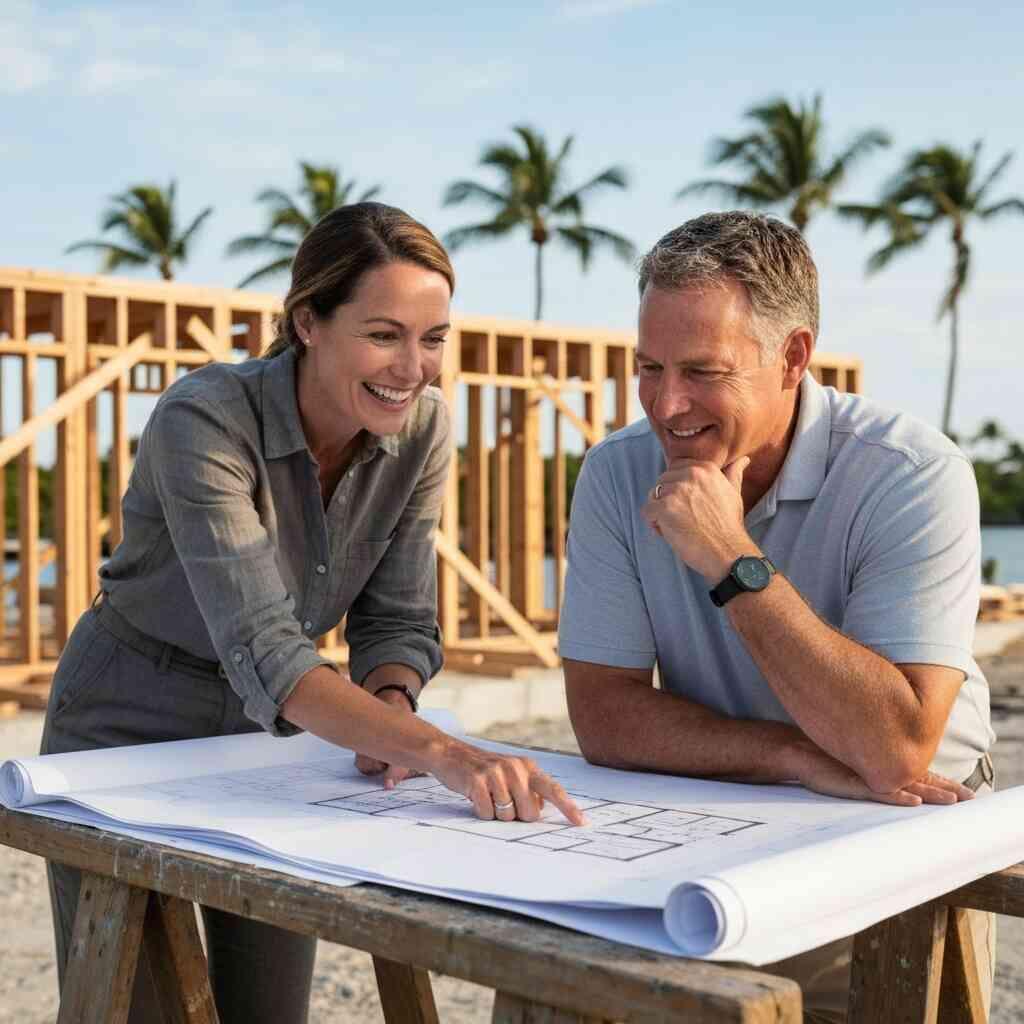
Building a custom home on a waterfront lot in Delray Beach is an exciting opportunity. The views, the breeze, and the lifestyle are hard to beat. But the coastal environment also brings tough challenges. Salt air, high humidity, and strong sun can wear down ordinary materials quickly. The choices you make early on determine whether your home stays beautiful and solid for decades or requires constant repairs. This guide covers the key materials and systems that help a waterfront home stand up to the elements while still feeling luxurious.
Why Material Choices Matter on the Coast
The salt-laden air near the ocean accelerates corrosion and decay. Standard building products often fail within a few seasons when exposed to these conditions. High-quality, corrosion-resistant materials are essential for any home in this environment. They resist the oxidation and moisture damage common in tropical areas. Investing in better materials now saves thousands in future repairs and keeps your home looking great. The right choices also mean less time spent on upkeep and more time enjoying your outdoor spaces.
Beyond looks, material selection affects the entire lifespan of the structure. Every exterior component, from siding to windows to roofing, faces constant stress. Choosing items that handle salt spray and UV rays well is the hallmark of a well-built coastal home. It transforms a standard house into a resilient estate that holds its value and charm.
Understanding South Florida's Coastal Challenges
The South Florida coastline creates a demanding building environment. High humidity, intense sun, and salt-laden winds work together to damage materials. Exterior paint, metal hardware, roofing, and window seals degrade faster here than almost anywhere else. Homes directly on the water experience these forces at a much higher rate than those a few blocks inland.
Salt air affects different materials in specific ways. It can pit metal, crumble mortar, and cause window frames to fail. The key is to choose materials that are proven to resist these effects. Builders and designers familiar with local conditions know which products hold up best. By planning for these challenges from the start, you can design a home that stays secure and attractive for years.
Foundation and Structural Systems
The foundation of a waterfront home must resist both high winds and shifting soils. Reinforced masonry and architectural concrete are top choices for structural walls. These materials stand up to hurricane-force winds much better than standard wood framing. They also offer benefits like fire resistance, pest resistance, and better energy efficiency. Concrete walls provide thermal mass that helps keep indoor temperatures steady.
For the foundation itself, special attention is needed to prevent erosion and settling. Deep pile foundations or reinforced concrete slabs are common in waterfront areas. These systems anchor the home securely and resist the movement that can occur near the water. Working with an engineer who understands coastal soil conditions is critical. A strong foundation gives peace of mind that your home will stay level and safe.
Exterior Finishes That Resist Salt and Sun
For siding, fiber cement and certain stucco blends are excellent choices. They resist rot, insects, and moisture while handling salt spray well. Fiber cement also holds paint longer than wood. For trim and decorative elements, consider materials like cellular PVC or high-density composite. These won't rot or warp like wood.
Windows and doors should be impact-resistant and made from corrosion-resistant materials. Aluminum frames with a high-quality finish or vinyl-clad frames perform well. Look for products rated for high-velocity hurricane zones. The same applies to garage doors and outdoor lighting fixtures. Stainless steel or marine-grade hardware is worth the investment for any exterior application.
Roofing and Decking
Roofing materials need to reflect heat, resist wind uplift, and stand up to salt air. Clay or concrete tiles are popular for their durability and timeless look. Metal roofing with a corrosion-resistant coating is another strong option. Avoid asphalt shingles that can be damaged by high winds and humidity.
For decks, porches, and docks, consider tropical hardwoods like ipe or mahogany. They naturally resist rot and insects. Alternatively, high-end composite decking that mimics wood grain offers low maintenance and excellent durability. Fasteners should be stainless steel to prevent rust stains.
Balancing Beauty and Resilience
It is possible to have a home that looks elegant and performs well. Many luxury coastal homes use a mix of materials: concrete or masonry structure, fiber cement siding, tile roofing, and stainless steel hardware. The result is a residence that feels solid and refined. Working with a builder experienced in waterfront construction helps ensure every detail is handled correctly. The right materials combined with proper installation create a home that stands the test of time.
Final Thoughts
Building on a Delray Beach waterfront lot is a rewarding project. The key is to choose materials that are designed for the environment. Focus on corrosion resistance, impact resistance, and durability. Prioritize structural strength and quality finishes. By making informed choices now, you will enjoy a beautiful, low-maintenance home that remains a safe and comfortable haven for years. This approach turns a dream home into a lasting legacy on the coast.
Best Materials for a Delray Beach Custom Home Waterfront Lot


Comments
Post a Comment