7 Smart Tips for Summer Home Additions in Florida
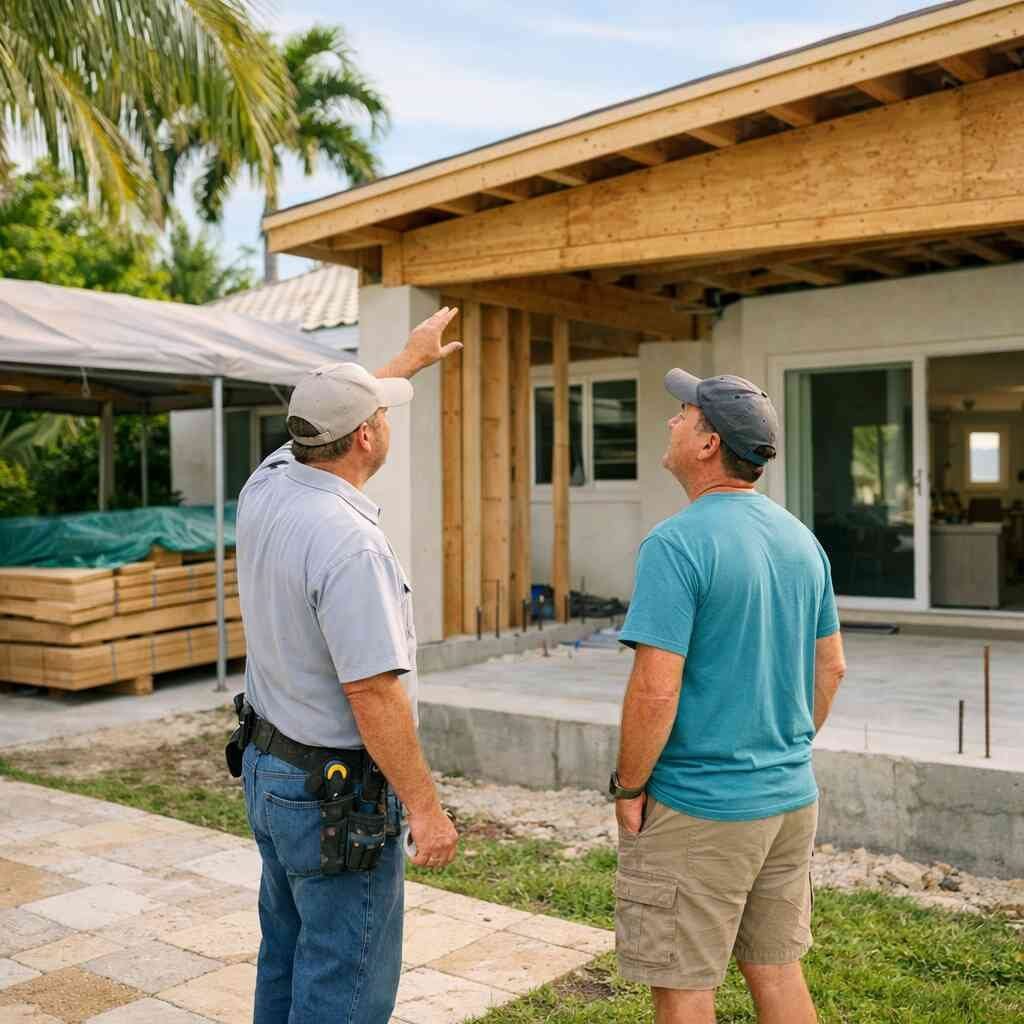
7 Smart Tips for Summer Home Additions in Florida
Summer home additions in Florida can be a smart way to add space, comfort, and long-term value. But the season also brings heat, humidity, sudden storms, and scheduling challenges that can slow a project down fast. The best results come from careful planning before any framing begins.
1. Plan for Florida weather before construction starts
In Florida, summer weather is part of the job site reality. Heat and humidity can affect materials, while afternoon rain can interrupt work with little warning. That means site protection should be built into the plan from the start.
A well-prepared project usually includes:
- Covered storage for lumber and finish materials
- Moisture protection for open walls and slab areas
- A schedule that accounts for weather delays
- Fast cleanup after rain to avoid damage
Even a short storm can create problems if the site is open and materials are exposed. Good planning helps prevent delays that spread through the rest of the project.
2. Choose the right type of addition for the season
Not every addition fits summer construction equally well. Some projects are easier to manage because they limit exposure to the elements.
Common options include:
- Rear additions
- Detached spaces
- ADUs
- Garage conversions
- Pool houses
- Outdoor kitchens
These options may be easier to stage than a major roofline change or a full structural tie-in. If the project requires heavy exposure to the existing house, it may need extra protection and more careful sequencing.
3. Decide whether an addition or full renovation makes more sense
Sometimes the real question is not how to add space, but whether the whole layout still works. If the main systems and structure are in decent shape, a home addition may solve the problem well. If the project requires major changes to plumbing, electrical, roofing, and circulation, a full renovation may be the better route.
A useful way to think about it is this:
- Choose an addition when the house mostly works, but needs more space
- Choose a renovation when the layout, systems, or flow need broader changes
That kind of honest review can save time and money later.
4. Keep materials protected and deliveries organized
Florida summer projects need strong construction management. Materials should not sit exposed to heat or rain, and deliveries should be timed so they do not clog the site.
A few best practices help a lot:
- Set a covered laydown area
- Separate materials by stage of work
- Keep trucks from blocking access longer than necessary
- Make sure crews can close open areas quickly when weather changes
When materials get wet or site access is chaotic, the project can slow down quickly. Organization is one of the simplest ways to protect the schedule.
5. Think through access, parking, and neighbor impact
Summer renovation work affects more than just the home itself. In many Florida neighborhoods, parking, delivery space, and noise can create friction if they are not planned early.
Before work begins, it helps to consider:
- Where workers will park
- Where materials will be staged
- How deliveries will enter and exit the property
- How noise and traffic may affect nearby homes
This matters even more in dense neighborhoods or near coastal streets where space is limited. Good coordination keeps the project moving and helps reduce avoidable complaints or interruptions.
6. Work with a builder who understands local conditions
A general contractor in South Florida has to do more than follow a plan. They need to sequence the work around weather, inspections, moisture control, and site access. That is especially important in places like Delray Beach, Boca Raton, and across Palm Beach County.
The right builder will understand how to:
- Protect framing and subfloors from humidity
- Keep crews moving when weather shifts
- Organize inspections and deliveries efficiently
- Manage the job so one delay does not create several more
Local experience matters because summer construction in Florida has its own pace and its own risks.
7. Build with the finished lifestyle in mind
A successful addition should do more than add square footage. It should improve daily life. That means thinking carefully about how the new space connects to the rest of the home.
Ask practical questions such as:
- Will the addition improve flow?
- Does it fit the way the family actually lives?
- Will it create more usable space or just more space?
- Does it support indoor-outdoor living, which matters in Florida?
The best additions feel natural once they are complete. They should solve a real problem, not just enlarge the footprint.
Final thoughts
Summer home additions in Florida can be successful when the work is planned around weather, materials, access, and the actual needs of the home. The right addition type, careful site protection, and clear construction sequencing all make a difference.
If you are considering an addition this season, it can be helpful to start with a clear assessment of the home, the lot, and the long-term goal. That kind of planning gives the project a much better chance of staying on schedule and delivering a result that truly works.
Top 7 RENOVA Tips for Summer Home Additions in Florida


Comments
Post a Comment