Florida Hurricane Window Code Rules for 2026
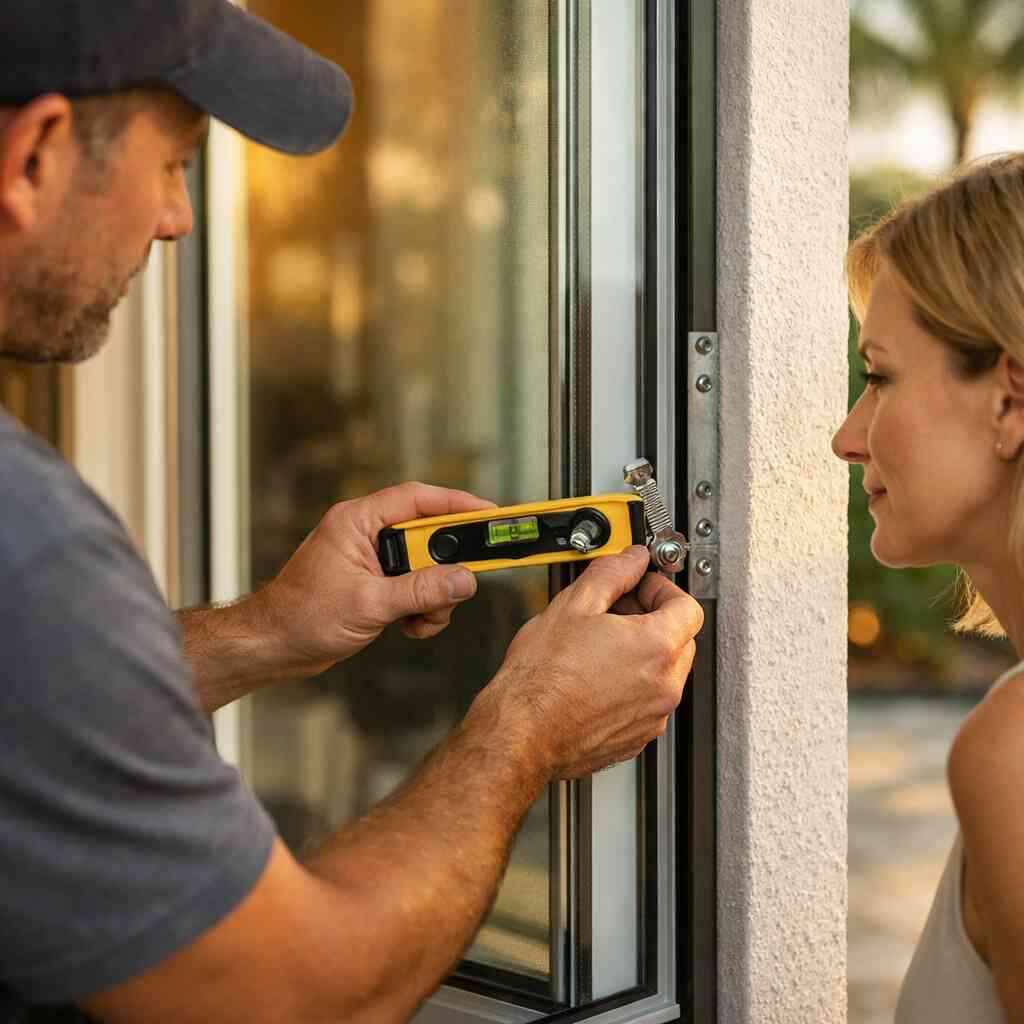
Florida Hurricane Window Code Rules for 2026
Florida hurricane window code rules in 2026 focus on more than glass alone. If you are replacing windows in a coastal home, the real question is whether the full window system meets wind and impact requirements. That includes the glass, frame, anchors, sealants, and installation method.
Many homeowners start with the wrong assumption: they think any strong-looking window will qualify. In practice, a window must be approved for the specific opening, location, and wind conditions of the home. That is why code compliance matters as much as appearance.
What the code is trying to prevent
Florida’s rules are designed to help homes resist two major hurricane risks:
- Flying debris striking the glass
- Strong wind pressure pushing on the opening
A window that survives everyday weather may still fail under those conditions. For that reason, impact-resistant products are tested as complete systems. The goal is not just to keep glass from breaking. It is also to keep the opening sealed and the unit attached to the structure.
Impact glass is not the same as ordinary replacement glass
This is one of the most common points of confusion.
Impact glass is built and tested for storm conditions. Ordinary replacement glass may improve clarity, energy use, or style, but it does not automatically satisfy hurricane code requirements.
When reviewing options, look for:
- Product approval documents
- Design pressure ratings
- Impact testing information
- Installation instructions that match the product
If any of those pieces are missing, the window may not pass permit review or final inspection.
Product approval matters in 2026
In Florida, the product approval paperwork is often just as important as the window itself. The approved model must match the exact product being installed. A similar size or style is not enough.
This is where delays often happen. A project can stall if the paperwork does not match the actual unit, the opening size, or the installation method. That is why it helps to review approvals before ordering materials.
A code-compliant window package usually includes:
- Exact model approval
- Rated sizes and configurations
- Approved fastening details
- Approved frame and mullion setup, if applicable
Why design pressure is so important
Design pressure is the amount of wind force a window is expected to handle. This rating should match the exposure of the home and the opening location.
A larger opening, a higher story, or a coastal location may require stronger performance than a standard inland replacement. If the rating is too low, the window may not qualify even if it looks like an impact product.
That is why homeowners should ask about design pressure early in the process, not after the windows are already ordered.
Permit review can be stricter than expected
Florida permit reviewers often check the whole package, not just the window brochure. That means they may want to see:
- Product approval documents
- Opening dimensions
- Installation details
- Engineering, when needed
- Information for any altered openings or structural changes
Boca Raton and Palm Beach County projects can be especially detailed when homes are near the coast or have older openings. If the window size is changing, or if the project includes multiple elevations, the permit package usually needs more documentation.
The smoother projects are the ones that are permit-ready from the start.
Older homes often need extra attention
Many older homes have custom openings, mixed frame conditions, or prior remodel layers that are not obvious until work begins. That can affect how a new hurricane window fits and how it must be anchored.
Common issues include:
- Openings that are not square
- Hidden damage around the frame
- Previous repairs that do not match current code
- Oversized or nonstandard openings
These issues do not mean the project cannot move forward. They simply mean the window selection and installation plan need to be checked carefully.
What homeowners should ask before ordering
If you are planning hurricane window replacement in 2026, ask these questions before you approve the quote:
- Is the window product approved for Florida use?
- Does the approval match the exact model and size?
- What is the design pressure rating?
- Does the installation method match the approval?
- Are any structural changes needed for the opening?
- Will the permit package include all required paperwork?
These questions help avoid expensive do-overs and inspection problems.
The installation is part of the code requirement
Even the right window can fail if installed incorrectly. The code looks at how the product is attached, sealed, and supported. Fasteners, spacing, shims, and anchoring all matter.
A proper installation should:
- Follow the manufacturer’s instructions
- Match the approved attachment method
- Use the correct fasteners and spacing
- Protect the opening against water intrusion
- Leave the unit properly aligned and secured
A rushed install can create leaks, rattling, or inspection failures even when the window itself is rated correctly.
Final thoughts
Florida hurricane window code rules in 2026 are really about verified performance. The best-looking window is not enough unless it is approved, rated, and installed correctly for the specific home.
If you are planning a replacement, the safest approach is to start with the code requirements, then choose the product. That order helps protect your permit, your timeline, and your home when storm season arrives.
For coastal homeowners, that kind of planning is often the difference between a smooth project and a costly setback.
What Are Florida Code Rules for Hurricane Windows in 2026


Comments
Post a Comment