Design Build for Luxury Homes in Florida: A Clear Guide
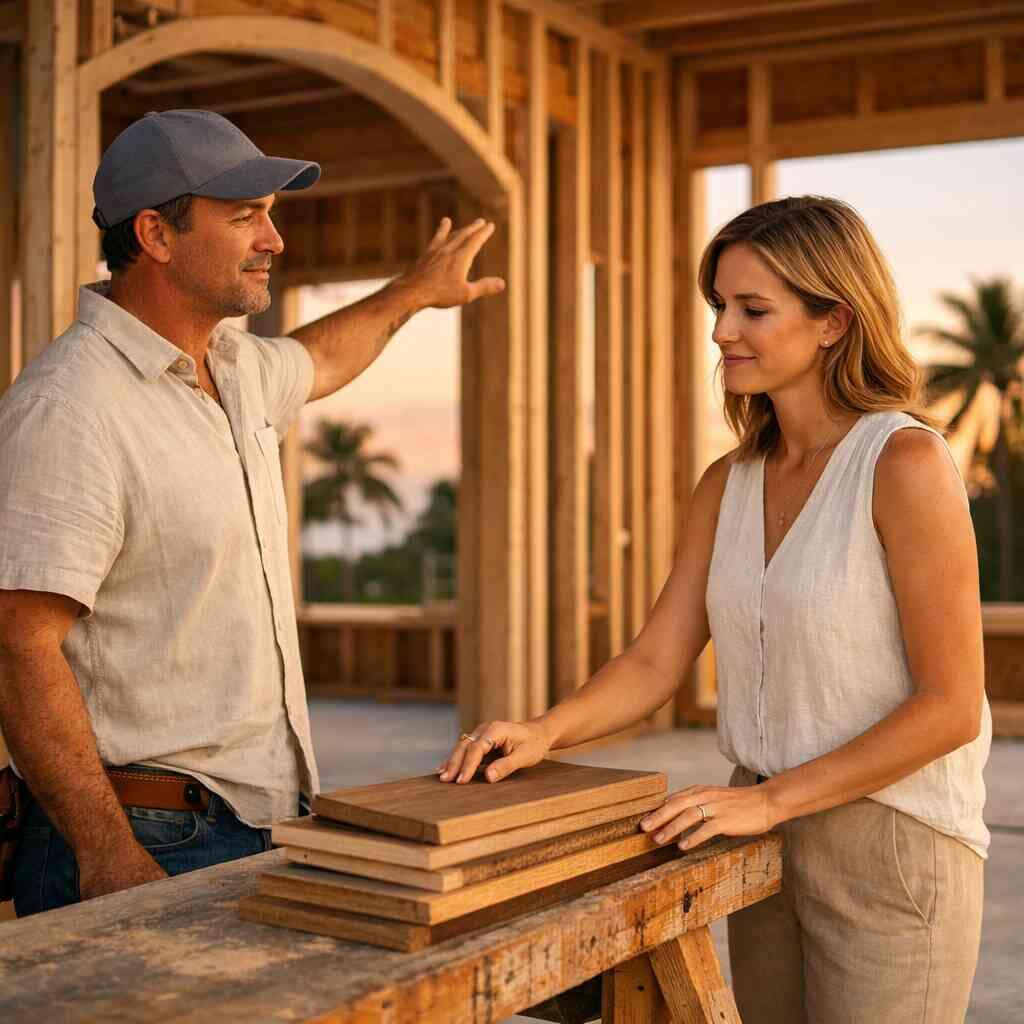
Design Build for Luxury Homes in Florida
Design build for luxury homes in Florida gives homeowners one coordinated path from concept to construction. It can reduce confusion, align budget with design, and help a custom home move forward with fewer delays.
Why the process matters early
A luxury home can look perfect on paper and still run into trouble before the slab is poured. That usually happens when design, pricing, permits, and construction are handled in separate silos. When teams are not working together, small gaps can turn into expensive revisions.
Design-build brings those pieces under one process. The architect, estimator, and builder are coordinated from the beginning. That means decisions are checked against real-world construction costs and local requirements as the plans develop.
What design build means in practice
In a design-build setup, one team manages both the design and construction phases. For a homeowner, the main advantage is consistency. The drawings are not created in isolation, and the budget is not treated like an afterthought.
This approach is especially helpful for custom homes because:
- Design choices are reviewed with cost in mind.
- Structural and finish details are coordinated earlier.
- Questions are resolved faster.
- Fewer details slip through the cracks before construction starts.
On luxury homes, that coordination can protect both the design vision and the schedule.
Why low bids can create higher costs later
A low bid is not always a better bid. In many cases, it simply means some scope items were left out or underpriced. Later, those missing items return as change orders.
Common areas where budgets can drift include:
- Cabinetry and finish allowances
- Roofing and exterior materials
- Site work and drainage
- Window and door upgrades
- Structural coordination
This is why a detailed scope matters. A complete proposal should show what is included, what is assumed, and what may change once selections are finalized.
Style affects planning more than many homeowners expect
The home style you choose can shape the entire project. Coastal contemporary homes often call for clean lines, larger openings, and a lighter interior feel. Mediterranean style custom homes may use deeper roof forms, heavier exterior massing, and more detailed transitions.
These are not just visual differences. They affect:
- Water management and roof design
- Window placement and heat gain
- Material selection for humidity and coastal exposure
- Interior layout and ventilation
Modern farmhouse designs bring a different set of priorities, especially when the goal is to balance character, comfort, and low maintenance.
Why local approvals can change the plan
In Florida, approvals are part of the process from the start. Delray Beach, Boca Raton, and the wider Palm Beach County area can all have their own review requirements. Setbacks, height limits, exterior materials, and HOA rules can affect the final layout.
A setback is the required distance between a structure and the property line. That one detail can influence room placement, outdoor living space, and the overall footprint of the home.
It is smart to review these items before the drawings are finalized. If approvals are left until the end, revisions can slow the project and force design changes that are harder to absorb later.
The role of code compliance in Florida
Florida homes must respond to wind, moisture, heat, and energy performance demands. That is why building code compliance is not just a paperwork step. It affects the safety, durability, and efficiency of the finished home.
For luxury homes, code-related decisions can influence:
- Window and door specifications
- Roof design and fastening methods
- Insulation and energy performance
- Moisture control and envelope details
A strong design-build process checks these requirements early so the project does not stall during permitting or mid-construction.
What to expect from a well-run design-build process
A good process is organized, documented, and realistic. It does not rely on assumptions. It should give you a clear picture of what will happen next and why.
A well-run project usually includes:
- Initial planning and needs review
- Concept design and budget alignment
- Preliminary engineering and code review
- Permitting and approval preparation
- Final selections and construction documents
- Scheduled construction with coordinated oversight
Each step should support the next. That is what keeps the project moving instead of bouncing back and forth between revisions.
How to protect your vision and your budget
Homeowners often focus on finishes first, but the best place to start is with the process. Before construction begins, it helps to confirm:
- The full scope of work
- What is included in the budget
- Which allowances may change
- How approvals will be handled
- How design revisions will affect timing
When these items are clear, it becomes easier to make confident decisions. That leads to fewer surprises once work begins.
Final thoughts
Design build for luxury homes in Florida is about more than convenience. It is a practical way to manage complexity, reduce miscommunication, and protect the quality of the finished home.
Whether the project is coastal contemporary, Mediterranean, or modern farmhouse, the key is the same: align design, budget, approvals, and construction from the start. In a market where local codes and coastal conditions matter, that coordination can make the difference between a smooth build and a stressful one.
Ultimate Guide to Design Build for Luxury Homes in Florida


Comments
Post a Comment