Boynton Beach Eco-Friendly Design: 10 Innovations for 2025
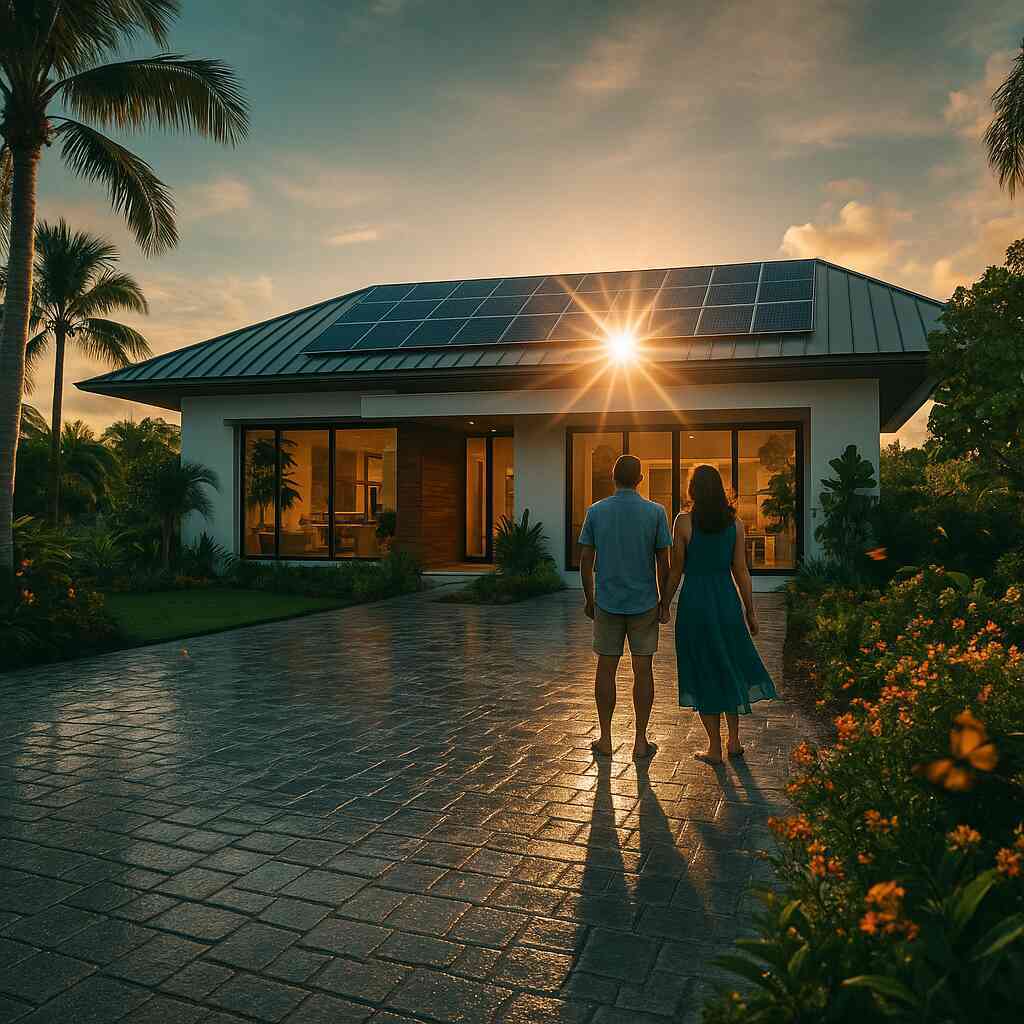
Sustainable Style Along South Florida’s Coast
The coastal city of Boynton Beach is proving that green building can look as good as it performs. From solar-ready roofs to water-wise landscapes, local builders and homeowners are embracing practical strategies that lower utility bills, strengthen storm resilience, and raise property values. The overview below highlights ten standout approaches shaping eco-friendly design in 2025.
1. Solar-Ready Custom Homes
Design teams now integrate conduit runs, roof truss spacing, and battery niches while a home is still on paper. Positioning the main roof plane toward the southern sky and keeping vents on secondary slopes makes future photovoltaic installation fast and affordable. When panels are added, the house is already wired to feed excess power straight into a storage system or the grid.
2. Passive Cooling Through Orientation
South Florida’s heat load can be tamed with smart siting. Builders rotate living spaces to capture prevailing east–west breezes, add deep eaves that shade glass without blocking daylight, and carve out shaded courtyards that promote cross-ventilation. These passive moves often trim cooling demand by 15 % or more before a single mechanical device turns on.
3. High-Efficiency HVAC and Smart Controls
Upgrading to a variable-speed, 18-SEER or higher heat pump is only half the story. Contractors pair it with smart thermostats, humidity sensors, and zoning dampers that learn occupants’ schedules. The result is tighter climate control and energy savings that continue year after year.
4. Reclaimed and Recycled Finishes
Remodelers salvage old Dade County pine beams for accent walls, refinish concrete floors instead of covering them, and specify recycled-content tile for kitchens and baths. These choices reduce landfill waste and give each home a one-of-a-kind story.
5. Water-Wise Landscaping and Permeable Pavers
Florida-native shrubs, drip irrigation, and porous driveways are replacing thirsty lawns and solid concrete. Besides lowering water consumption, these strategies help recharge the aquifer and reduce street flooding after intense rain.
6. Low-VOC Materials for Healthier Interiors
Paints, sealants, and adhesives labeled as low or zero VOC protect indoor air quality. When combined with balanced ventilation and MERV-13 filtration, families breathe cleaner air while mold and allergens struggle to take hold in the humid climate.
7. Construction-Phase Waste Diversion
Job sites now feature clearly labeled bins for metals, cardboard, drywall scraps, and concrete. Many local teams track diversion rates through simple apps, allowing homeowners to see exactly how much material avoided the landfill.
8. Cool Roofs and Storm-Resilient Assemblies
High-albedo metal roofing reflects solar radiation, lowering attic temperatures by up to 30 °F. Paired with hurricane-rated fasteners and secondary water barriers, these roofs protect against both rising temperatures and stronger storms.
9. Greywater and Rainwater Harvesting
Code-compliant greywater loops capture shower and laundry discharge for subsurface irrigation. Simple rain barrels or larger cisterns store roof runoff for drought periods, easing pressure on city infrastructure and water bills alike.
10. Community Education and Incentive Alignment
Local nonprofits host weekend workshops covering everything from blower-door basics to native planting plans. Utility rebates for high-efficiency equipment and federal tax credits for renewable energy shorten payback periods, making sustainable choices a mainstream expectation rather than a boutique upgrade.
Putting It All Together
True sustainability is not a single feature but a coordinated system that begins with goal-setting and continues through construction and occupancy. Boynton Beach professionals often start projects with an integrated design charrette, bringing architects, energy raters, and subcontractors to the same table. Shared digital dashboards then track energy targets, waste diversion, and indoor air-quality milestones in real time.
Typical Green Remodel Timeline
- Week 1–2: Establish performance goals and budget
- Weeks 3–6: Energy modeling, material selection, permit submission
- Weeks 7–18: Demolition with salvage protocols, shell upgrades, rough-ins
- Weeks 19–24: Finish materials, system commissioning, blower-door verification
- Final Walk-Through: Homeowner training on controls and maintenance
Key Takeaways for Homeowners
- Start early. Features like south-facing roof planes or greywater loops are cheapest when planned, not retrofitted.
- Verify performance. Ask for blower-door numbers, HVAC commissioning reports, and manufacturer certifications so you know the upgrades deliver.
- Balance beauty and function. Reclaimed wood, native plants, and cool roofs prove that aesthetic appeal and sustainability go hand in hand.
- Leverage incentives. Tax credits and utility rebates can offset a significant share of upfront costs.
Looking Ahead
As building codes tighten and climate challenges intensify, Boynton Beach’s commitment to eco-conscious design is positioned to accelerate. Whether you are breaking ground on a custom home or refreshing a coastal bungalow, these ten innovations provide a roadmap for comfortable, resilient, and resource-smart living.
Embracing even a few of the strategies above can cut utility costs, improve health, and boost resale value—while helping the city remain a vibrant, sustainable place to live for decades to come.
Top 10 Ways Boynton Beach Innovates in Eco-Friendly Designs


Comments
Post a Comment