Cutting-Edge Home Design Tactics for Modern West Palm Beach Homes
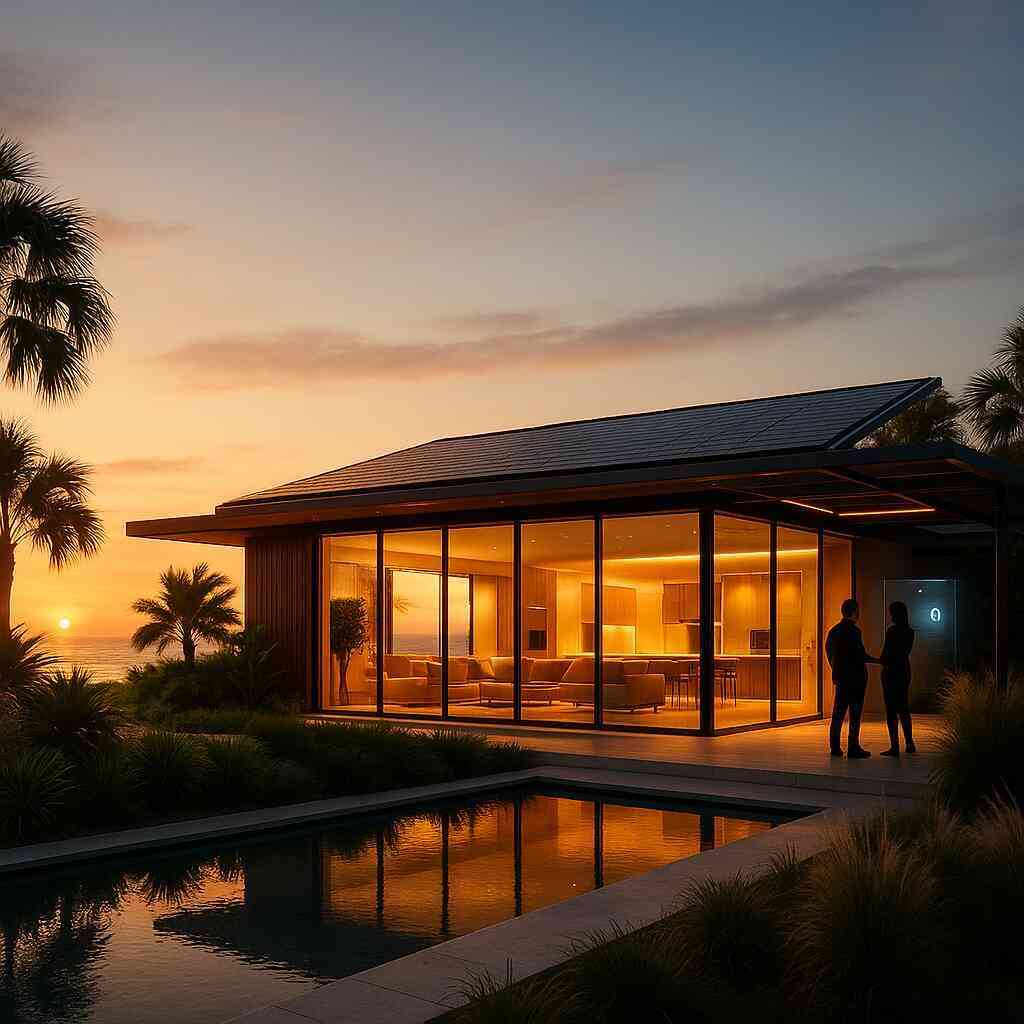
West Palm Beach homeowners face a unique blend of coastal beauty, tropical weather, and storm risk. Adopting cutting-edge design strategies can turn those challenges into opportunities for resilient, healthy, and distinctly Floridian homes. This guide breaks down the most effective approaches trending in 2025.
1. Building for the Coastal Climate
High-Performance Shells
• Impact-rated windows and doors: Laminated glass and fortified frames resist hurricane pressure while filtering UV rays that fade interiors.
• Raised floor systems: Pier foundations or stem walls lift living areas above potential storm surge, meeting local code and lowering insurance costs.
• Reflective cool roofs: Light-colored metal or membrane roofing reduces heat gain, easing the load on HVAC systems and extending roof life.
Moisture-Smart Materials
Persistent humidity can invite mold and warp finishes. Designers increasingly specify:
• Fiberglass or mineral-wool insulation that stays stable when damp.
• Cement-based siding, porcelain tile, and composite decking that will not rot.
• High-performance vapor barriers and rainscreen cladding to dry out wall cavities quickly.
2. Biophilic Minimalism: Calm Meets Nature
Minimalist coastal styling—open plans, neutral palettes, streamlined cabinetry—pairs well with biophilic design, which focuses on connecting occupants with nature. The result is a home that feels spa-like yet genuinely alive.
Key moves include:
- Continuous sightlines: Pocketing glass doors erase the boundary between great rooms and lanais, encouraging natural ventilation and unbroken views.
- Raw, tactile finishes: Driftwood-tone oak, honed limestone, and rattan accents reference local beaches without clutter.
- Integrated greenery: Living herb walls in kitchens, ceiling-hung ferns in bathrooms, and planter niches on stair landings add organic texture and improve indoor air quality.
- Dynamic lighting: Fixtures that shift color temperature through the day reinforce circadian rhythms, complementing the abundant daylight.
3. Virtual Reality in the Design Process
Traditional mood boards are giving way to immersive walk-throughs. At the concept stage, homeowners can don a VR headset and tour their future kitchen, test furniture layouts, or compare flooring species in seconds.
Benefits:
• Faster decisions: Seeing spatial relationships at full scale reduces back-and-forth emails and minimizes mid-construction change orders.
• Cost control: Confirming details before framing begins prevents material waste and labor overruns.
• Team alignment: Architects, engineers, and trades view the same 3-D model, limiting misinterpretation and schedule slips.
If VR feels intimidating, note that most studios now handle the technical setup. Clients simply point, click, and comment while the software logs every adjustment for the build team.
4. Invisible but Powerful Smart Home Infrastructure
The goal in 2025 is seamless automation that supports daily life without visual clutter.
Embedded Systems
• Behind-the-wall conduit: Empty raceways installed during framing make future tech upgrades painless.
• Centralized low-voltage hub: Routers, amplifiers, and security brains live in a ventilated closet instead of occupying countertop real estate.
Practical Automations
• Geofenced entry: The garage door lifts, pathway lights illuminate, and AC adjusts to your preferred setting the moment a smartphone crosses a virtual boundary.
• Adaptive shading: Motorized blinds track the sun, protecting artwork and stabilizing interior temperatures.
• Water-sensing irrigation: Soil probes measure moisture so lawns stay green without waste, meeting local water-conservation ordinances.
When integrating automation, aesthetics matter. Recessed motion sensors, flush keypads matched to wall color, and voice control eliminate banks of switches that can spoil a clean coastal look.
5. Energy Optimization Beyond Solar Panels
Photovoltaics are common on Palm Beach roofs, yet whole-home efficiency now extends further.
- Dedicated dehumidification: Separate from air-conditioning, these systems target moisture loads directly, allowing the main HVAC to run less and last longer.
- Heat-pump water heaters: They extract ambient warmth from the garage or utility room, slashing electric bills while cooling the surrounding space.
- Battery storage: Compact lithium-ion units provide quiet backup power. Unlike traditional generators, they require no fuel, emit no fumes, and start instantly when grid service falters.
6. Adaptable Interiors for Evolving Lifestyles
West Palm Beach attracts remote professionals, multigenerational families, and seasonal residents. Flexible layouts accommodate shifting needs without future gut renovations.
• Pocket offices: Small zones off the main living area close behind acoustically rated doors when focus is required.
• Slide-away partitions: Operable glass walls transform a loft into a private bedroom when guests arrive.
• Universal design touches: No-threshold showers, wider doorways, and lever handles serve everyone from toddlers to retirees, adding long-term value and market appeal.
7. Responsible Material Selection
Sustainability in 2025 is as much about provenance as durability.
• Reclaimed wood: Beams from old Florida docks or barns provide weathered character while reducing demand for new lumber.
• Recycled glass countertops: Locally made slabs shimmer like sea glass, diverting bottles from landfills.
• Low-VOC finishes: Paints, stains, and adhesives with minimal off-gassing support healthier indoor air, especially important in airtight, high-performance envelopes.
Key Takeaways for Homeowners
• Start with a resilient shell: Impact glazing, raised floors, and moisture-tolerant materials are non-negotiable in the Palm Beach climate.
• Design for wellness: Combine minimalist layouts with biophilic elements—natural light, greenery, textured finishes—for spaces that uplift daily life.
• Embrace technology early: VR planning and hidden smart-home infrastructure streamline construction and future-proof the dwelling.
• Think energy holistically: Solar, efficient HVAC, and intelligent water management work together to curb utility costs and carbon footprints.
• Plan for flexibility: Multipurpose rooms and universal design features ensure the home grows gracefully with its owners.
By weaving these strategies together, a West Palm Beach renovation becomes more than a style update. It transforms into a forward-looking habitat—strong against storms, gentle on resources, and attuned to the rhythms of coastal living. Minimize guesswork, focus on integration, and enjoy a home that stays fresh, functional, and highly desirable for decades to come.
Exploring Cutting-Edge Home Design Strategies WPB


Comments
Post a Comment