Delray Beach Sustainable Remodeling Strategies for 2025
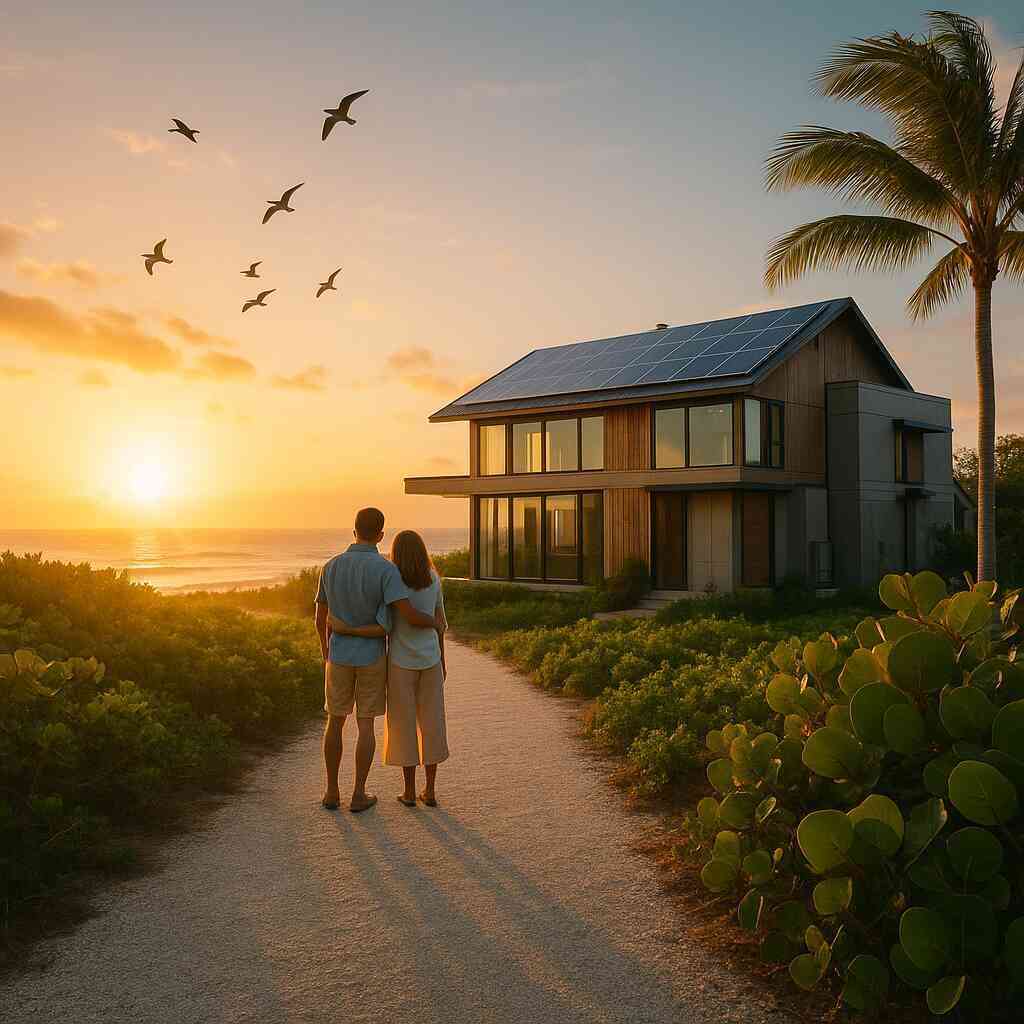
Sustainable remodeling is no longer a niche concept on Florida’s southeast coast. In Delray Beach, builders, designers, and homeowners are embracing low-carbon materials, resilient layouts, and net-zero energy targets as standard practice. This guide breaks down the core methods that allow coastal homes to stay stylish, durable, and environmentally responsible.
Carbon-Smart Construction From Day One
Embodied carbon—the greenhouse gas emissions locked into every beam, nail, and finish—matters as much as the electricity a house will later consume. Forward-thinking remodelers in Delray Beach now:
- Measure the embodied carbon of existing structures before demolition.
- Salvage usable framing, flooring, and fixtures to keep material in circulation.
- Specify locally harvested FSC-certified lumber or reclaimed timbers from nearby warehouses.
- Use Building Information Modeling (BIM) to preview the carbon footprint of each design option.
This data-driven approach lowers landfill waste, shortens construction timelines, and produces quieter job sites—an important benefit in dense coastal neighborhoods where turtle nesting and tourism share space with renovation crews.
Aligning With Rapidly Evolving Coastal Codes
Palm Beach County updates its building ordinances frequently to address sea-level rise, storm surge, and hurricane wind loads. Knowledgeable contractors translate these technical rules into opportunities for creativity rather than roadblocks:
- Impact-rated windows now come in slim, modern black frames that elevate curb appeal while meeting wind-borne debris standards.
- New runoff requirements can inspire permeable shell-aggregate driveways that turn rainfall into irrigation for native sea grape and dune sunflower plantings.
- Energy-efficient appliance credits reduce permitting fees, freeing budget for higher-quality interior finishes.
The result is a home that passes inspection smoothly and still feels tailored to the owner’s aesthetic ambitions.
Net-Zero Energy Becomes the New Luxury
In 2025, luxury on the Delray coastline is defined by self-sufficiency as much as by visual drama. Net-zero custom builds and deep-energy retrofits start with passive strategies:
- Orientation and Shading – Roof overhangs, operable shutters, and ventilated soffits keep glazing cool without blocking the Atlantic view.
- High-Performance Envelope – Closed-cell spray foam and taped sheathing seams block humid air, allowing smaller HVAC systems.
- Triple-Pane Fenestration – Low-e coatings tuned for South Florida’s intense solar load slash cooling demand.
- Solar-Ready Infrastructure – Prewired conduit paths and south-facing roof areas simplify panel or battery installation when budgets allow.
Continuous energy modeling confirms that annual on-site production will offset consumption, ensuring comfort during utility outages and shielding owners from rising energy prices.
Material Alchemy: Turning Salvage Into Showcase Pieces
Delray Beach remodelers frequently visit local salvage yards before opening new material catalogs. A few best practices keep reclaimed products beautiful and durable on the coast:
- Moisture Testing – Every reclaimed board’s moisture content is checked so it acclimates properly in conditioned interiors.
- Kiln Sterilization – Heat treatment kills hidden pests that might otherwise thrive in South Florida’s climate.
- Hybrid Assemblies – Pairing recycled steel stair stringers with aged cypress treads delivers both strength and story.
Using reclaimed elements can also help projects qualify for voluntary certifications that improve resale value and demonstrate environmental stewardship.
Storm-Ready Exteriors With Permeable Hardscapes
Designing for hurricanes starts outside the walls. Permeable pavers and landscaped swales channel rain into the aquifer instead of pooling against foundations. Key considerations include:
- Sub-Base Selection – Crushed shell or open-graded aggregate drains quickly and resists washouts.
- Native Planting – Deep-rooted species such as sea oats stabilize soil while requiring little supplemental irrigation.
- Dark-Sky Lighting – Low-wattage, shielded fixtures protect sea-turtle hatchlings and keep neighbors happy.
These features satisfy local stormwater rules, reduce long-term maintenance, and create outdoor rooms that feel like extensions of the natural shoreline.
Quietly Cutting Operational Carbon
A sustainable remodel succeeds only if operating costs stay low year after year. Proven tactics include:
- Variable-speed heat pumps sized through Manual J calculations, not guesswork.
- Induction cooktops that deliver gas-like responsiveness without combustion by-products.
- Heat-pump water heaters placed in conditioned spaces to dehumidify while producing hot water.
- Smart thermostats linked to humidity sensors for precise comfort control during muggy summer nights.
Each measure reduces utility bills and, when combined, can push an existing home close to net-zero status without a full teardown.
Practical Takeaways for Homeowners
- Request an Embodied Carbon Assessment – It guides demolition, salvage, and material ordering decisions.
- Insist on Local Sourcing – Shorter transport distances and regional expertise boost schedule reliability.
- Plan for Future Tech – Even if batteries or EV chargers are not in today’s budget, run conduit now while walls are open.
- Integrate Landscape and Structure – Stormwater, shading, and outdoor living work best when addressed together.
- Verify Performance – Post-construction blower-door tests and infrared scans confirm that the home meets promised efficiency goals.
By following these principles, Delray Beach homeowners can enjoy beautiful, durable spaces that honor the coastal environment and offer long-term financial resilience. Sustainable remodeling is not a trend but a comprehensive framework that integrates carbon mindfulness, resilient engineering, and modern design—setting a new standard for luxury living in 2025 and beyond.
Decoding Delray Beach Remodeling's Sustainable Practices


Comments
Post a Comment