5 Questions to Ask a Builder Before Fall Groundbreaking
5 Questions to Ask a Builder Before Fall Groundbreaking
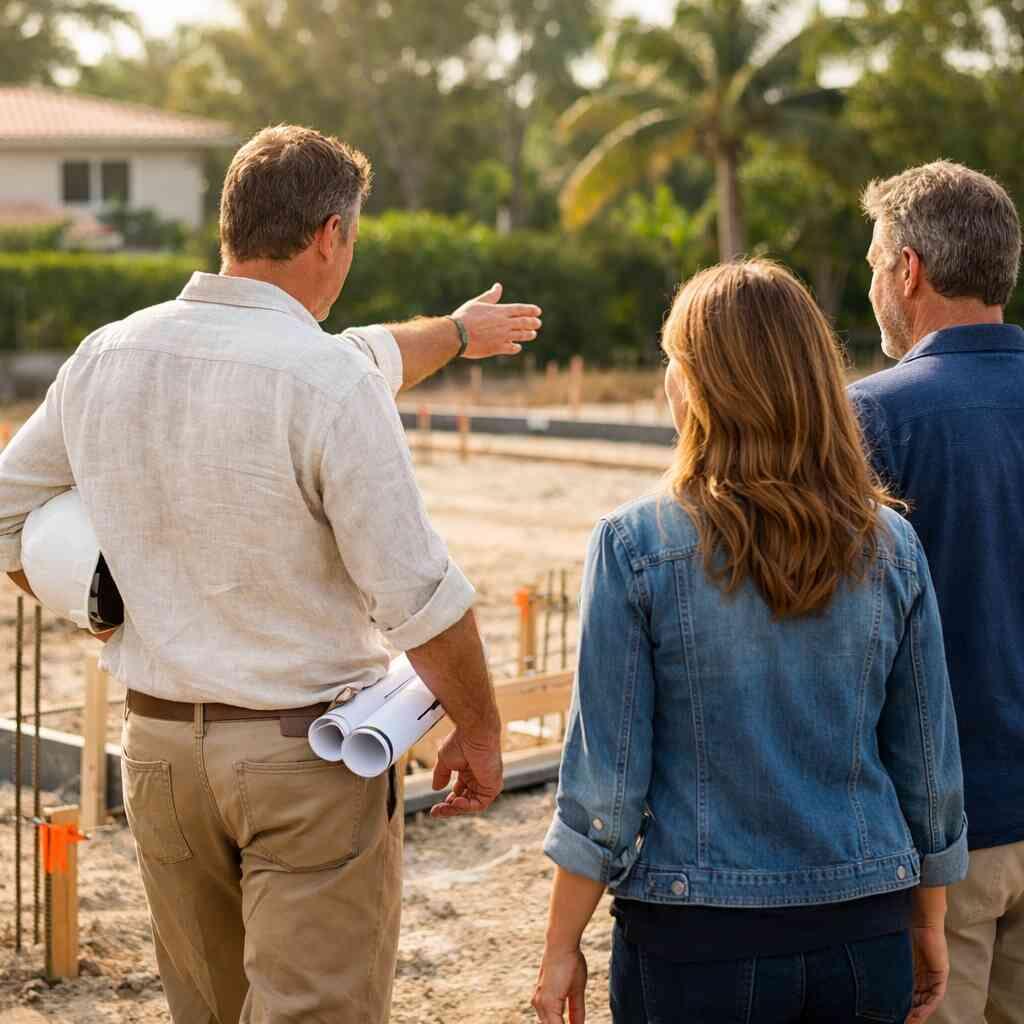
Fall groundbreaking can move fast. Before any soil is moved, it helps to ask the right questions and get clear answers. The best builder conversations are not about finishes first. They are about permits, code compliance, schedule control, and how problems are handled before they become expensive.
If you are planning a new build or major renovation this season, this guide walks through five questions that can help you evaluate a builder with more confidence.
1) What could stop the project before groundbreaking?
This is the most important question because it gets to risk early. A strong builder should be able to explain the main preconstruction hurdles in plain language.
Listen for answers about:
- permit review and submittal timing
- HOA or community approval steps
- survey or site-plan issues
- utility coordination
- zoning, setbacks, or drainage concerns
A builder who understands the process will usually talk about sequence, not just optimism. That matters because a project can look ready on paper but still be held up by approvals or site conditions.
2) How do you handle permit and approval coordination?
Permits and approvals can shape the entire schedule. Ask how the builder manages the paperwork, who prepares each document, and what gets reviewed first.
You want a clear explanation of:
- who is responsible for submitting plans
- whether city, county, and HOA approvals happen in parallel or one after another
- how revisions are tracked
- how often you will receive status updates
This question is especially useful if your project has neighborhood restrictions or design standards. The best builders do not treat approvals as a side task. They build the schedule around them.
3) How do you verify code compliance before construction starts?
This question helps you see whether the builder works from a process or from memory. A careful builder should be able to explain how plans are checked before excavation, foundation work, or framing begins.
Look for discussion of:
- plan review and engineering coordination
- structural requirements
- wind-load or storm-resistance considerations
- setbacks and site constraints
- drainage and grading review
In South Florida, code compliance is not a small detail. It affects design, materials, and timing. A builder who respects code early usually avoids last-minute redesigns later.
4) What hurricane-resistant details are included, and what counts as an upgrade?
In a coastal market, storm resilience should be part of the first conversation, not an afterthought. Ask the builder to separate standard features from optional upgrades.
Examples to discuss include:
- roof connections and tie-downs
- opening protection
- impact-rated windows and doors
- garage door ratings
- roof system choices
The key is clarity. Some builders include certain protective features in the base scope, while others treat them as add-ons. There is nothing wrong with either approach as long as the difference is explained clearly. You want to know what is included before the schedule and budget are locked in.
5) How do you manage design changes once the project is underway?
Even well-planned projects can change. Materials may be backordered. A design detail may need adjustment. A homeowner may decide to revise something after seeing the final layout in context.
Ask how the builder handles changes in:
- cost
- schedule
- approvals
- field coordination
- written documentation
A good builder should have a clear change-order process. That process protects both sides. It keeps decisions documented and helps avoid confusion when multiple trades are working on the same project.
What strong answers sound like
You do not need technical jargon to judge a builder well. In many cases, the best answers are simple and direct.
Strong responses usually include:
- a clear explanation of the process
- realistic timing expectations
- honest discussion of risks
- specific examples of how the builder solved similar issues
- a willingness to answer follow-up questions
Weak responses are often vague. If you hear broad promises without details, it is worth slowing down and asking for more information.
Why these questions matter before fall groundbreaking
Fall is a busy season for construction planning. Many homeowners want to get moving before the end of the year or before weather changes create more complexity. That makes early clarity even more valuable.
The right questions help you understand:
- whether the builder is organized
- whether the schedule is realistic
- whether the team understands local requirements
- whether the scope is truly defined
- whether you are comparing builders on the same terms
When these issues are discussed early, the project is easier to manage later. It becomes simpler to spot delays, avoid surprises, and keep expectations aligned.
A simple checklist for your builder meeting
Before the meeting ends, make sure you can answer these five points:
- What could delay groundbreaking?
- Who manages permits and approvals?
- How is code compliance verified?
- What storm-resistant features are included?
- How are changes handled once work begins?
If the builder can answer those questions clearly, you are probably getting more than a sales pitch. You are getting a real preconstruction process.
Final thought
The best time to uncover problems is before the first shovel hits the ground. Asking direct questions now can save time, money, and stress later. A dependable builder should welcome that conversation and be ready to explain the path ahead in practical terms.
If you are preparing for a fall start, focus on process first. Good planning is what turns a promising project into one that actually moves forward with fewer surprises.
Best 5 Questions to Ask a Builder Before Fall Groundbreaking


Comments
Post a Comment