Florida Licensed General Contractor Safety Rules Guide
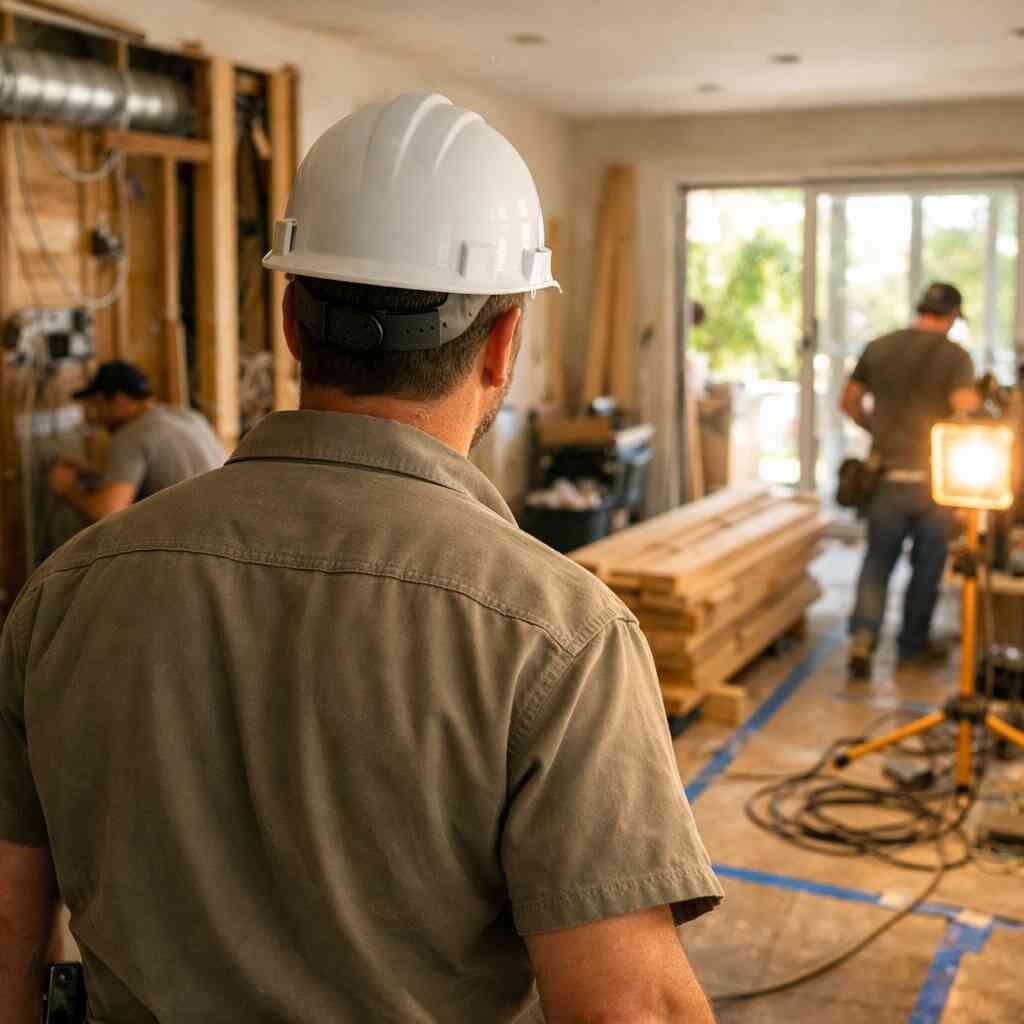
Florida Licensed General Contractor Safety Rules
A licensed general contractor in Florida has to manage more than the finish work. Safety starts before demolition, before permits are pulled, and before materials arrive on site. For home remodels, additions, and full renovations, the best projects are built on planning, code awareness, and careful jobsite control.
This guide covers six practical safety rules that help keep a Florida project organized, compliant, and safer for everyone involved.
1) Start with a real pre-job inspection
The biggest mistake on many renovation projects is rushing into demolition without checking the condition of the home first. A proper pre-job walk-through should look at:
- electrical service and panel condition
- visible plumbing issues
- roof leaks or water intrusion
- signs of settling or cracking
- attic, crawl space, and access limitations
- pets, children, valuables, and daily traffic patterns
In Florida, moisture and humidity can hide problems that are not obvious at first glance. A wall that looks fine may still contain damaged framing, corrosion, mold concerns, or old wiring that needs attention. A contractor should understand the structure before opening it up.
2) Treat permits and code compliance as safety tools
Permits are not just paperwork. They help make sure the work is reviewed, inspected, and completed in a way that supports safety and long-term performance. Many projects require permits when the scope includes electrical changes, plumbing changes, wall removal, structural modifications, or additions.
This matters because unpermitted work can create serious problems later. It can lead to stop-work issues, failed inspections, and costly rework. It can also create uncertainty if a hidden defect is discovered after the job is already underway.
A responsible contractor should know which parts of the project need review and should build the schedule around the permit process instead of trying to work around it.
3) Control demolition instead of letting it control the job
Demolition is one of the most hazardous parts of a renovation. It can expose live wires, plumbing lines, unstable materials, and hidden structural issues. Good demolition safety means the job is sequenced carefully and the work area is controlled.
Basic demolition safety should include:
- shutting off utility services when needed
- confirming load-bearing walls before removal
- protecting floors and adjacent rooms
- using dust control and debris containment
- separating salvageable materials from waste
- keeping walk paths clear
A safe demo plan is especially important in occupied homes. If people are living on-site during the work, clear boundaries matter just as much as the tools themselves.
4) Protect the structure, not just the finishes
Safety is often thought of as hard hats and caution tape, but it also includes protecting the home itself. If a remodel affects framing, windows, doors, roofing, or openings in the envelope, the contractor should make sure the structure stays stable and weather-tight throughout the job.
This is especially important in South Florida, where wind, rain, and humidity can quickly turn a small oversight into damage. Temporary protection, proper sequencing, and moisture control are not optional details. They are part of responsible construction.
For projects like room additions, garage conversions, or whole-house renovations, the contractor should also think through how one trade affects another. Framing, mechanical work, electrical work, and inspections all need to happen in the right order.
5) Keep the site organized and the communication clear
A safe jobsite is usually an organized one. Tools should be stored properly. Debris should be removed regularly. Materials should not block exits, walkways, or access to utilities. When the site gets cluttered, the chance of trips, falls, and mistakes rises quickly.
Good communication is part of that same safety system. Homeowners should know:
- when noisy or hazardous work will happen
- which areas are off-limits
- where workers will enter and exit
- whether utilities will be shut down
- what temporary disruptions to expect
This is especially important on larger renovations where several trades are working at once. If one crew does not know what the other crew is doing, avoidable hazards can appear fast.
6) Plan for inspection readiness from the beginning
Inspection readiness is a safety habit, not a final-step task. When a contractor plans the work correctly, each phase is ready when it is supposed to be reviewed. That helps prevent rushed corrections and repeated openings of finished work.
A good inspection-ready approach includes:
- documenting the project scope clearly
- matching work order to inspection sequence
- keeping required rough-in items accessible
- confirming code-related details before covering work
- correcting issues as they appear, not at the end
This is one of the best ways to keep a project moving while also supporting compliance. It also reduces the chance that hidden work will have to be torn out and redone.
Why these safety rules matter on Florida projects
Florida homes present a unique mix of conditions. Coastal weather, humidity, older construction, and active renovation markets all increase the need for careful planning. Whether the project is a kitchen update, bathroom remodel, whole-house renovation, or exterior improvement, safety is built through steady decisions.
A licensed general contractor should not treat safety as a separate phase. It should be part of every step, from the first inspection to the final walkthrough. That is how a project stays more predictable, more compliant, and less stressful for the homeowner.
Final thoughts
If you are planning a renovation in Florida, the safest projects usually share the same habits: inspect first, permit properly, control demolition, protect the structure, keep the site organized, and stay ready for inspections.
Those steps may seem simple, but they are what separate a smooth project from one that turns costly or unsafe. A careful plan is not extra work. It is the foundation of a good remodel.
Top 6 Safety Rules for Licensed General Contractor FL Projects


Comments
Post a Comment