Smart Home Integration for Luxury Renovations in 2026
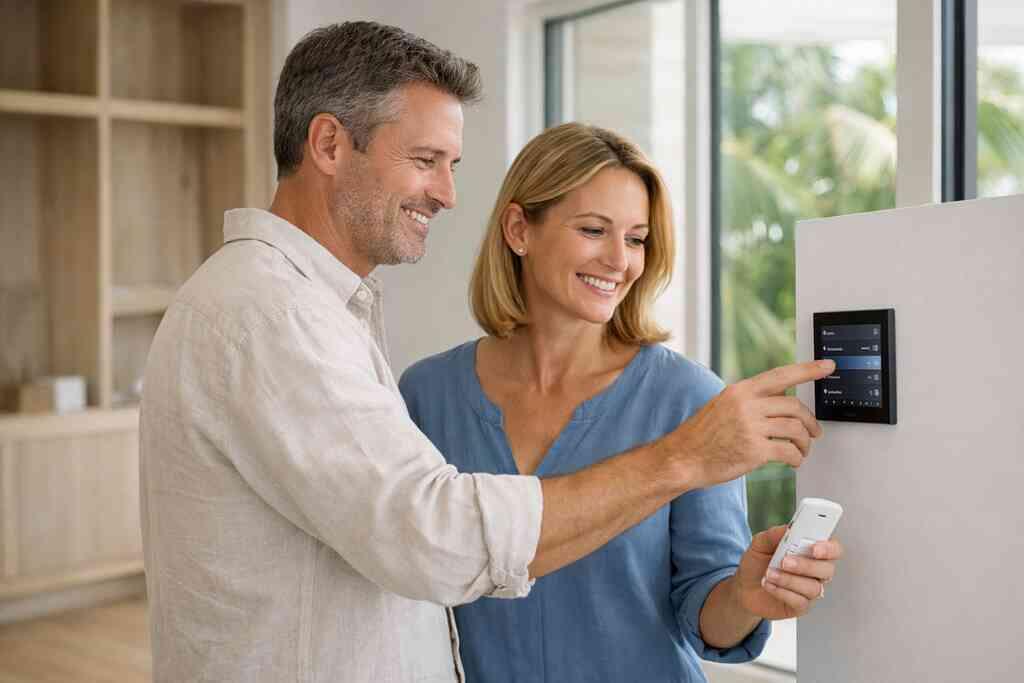
Smart Home Integration for Luxury Renovations in 2026
Smart home integration for luxury renovations in 2026 is about more than adding devices. It is about creating a home that feels polished, responsive, and easy to live in. When technology is planned well, it supports the architecture instead of competing with it.
In a luxury renovation, the best systems are often the ones you barely notice. The lights adjust smoothly. The shades respond when the sun changes. The temperature stays comfortable in every room. Music, security, and climate all work together without creating more steps for the homeowner.
What smart home integration really means
Smart home integration connects the major systems in a home so they can be controlled from a central platform. That may include:
- Lighting and scene control
- HVAC and climate zones
- Motorized shades and drapery
- Audio and video systems
- Security, cameras, and entry access
- Network and Wi-Fi infrastructure
- Energy monitoring and automation
The goal is not to install the most gadgets. The goal is to make the home simpler to use. In a luxury renovation, that usually means planning technology around how the family actually moves through the space.
Why it matters more in luxury renovations
Luxury homes often have more rooms, more layers of finishes, and more expectations for comfort. A larger floor plan can make basic controls feel scattered if the system is not designed carefully. A renovation is the best time to solve that problem because walls are open and finishes are still being coordinated.
When smart systems are added late, homeowners often run into avoidable issues:
- Visible wires or patchwork repair
- Confusing controls across different apps
- Lighting that does not match the room design
- Poor Wi-Fi coverage in key areas
- Climate zones that do not respond evenly
A thoughtful renovation avoids those problems by treating technology as part of the build, not an afterthought.
The core systems that should work together
Lighting
Smart lighting is usually the first place where homeowners feel the difference. Proper lighting control lets you create scenes for cooking, entertaining, relaxing, or winding down at night. It also helps highlight finishes, artwork, and architectural details.
In a luxury setting, the best lighting plans balance function and mood. Bright task lighting may be needed in kitchens and offices. Softer layers may be better in living rooms and bedrooms. The control system should make these changes easy.
Climate control
Comfort is one of the biggest reasons homeowners invest in smart integration. Climate control integration allows different parts of the home to be managed separately. That is especially useful in homes with additions, guest suites, upper floors, or spaces that get strong sun exposure.
A well-planned system can reduce hot and cold spots and keep the home comfortable with less effort.
Shades and daylight management
Motorized shades are a major part of luxury smart home design in 2026. They help control glare, protect interiors from strong sunlight, and improve privacy. They also work well with lighting and climate systems.
For example, shades can lower automatically when the sun becomes too strong, which may help reduce heat gain and support comfort.
Audio, video, and entertainment
Integrated entertainment systems keep media control simple. Instead of managing multiple remotes and disconnected devices, homeowners can control sound and video from a single interface.
This is especially useful in homes with outdoor living areas, media rooms, and open-plan layouts where sound needs to travel cleanly from one zone to another.
Security and access
Smart locks, cameras, sensors, and entry systems are now standard considerations in many luxury renovations. The value is not only convenience. It is also peace of mind.
When these systems are integrated properly, homeowners can check the house remotely, manage guest access, and receive alerts without relying on separate tools.
Planning matters as much as the technology
A smart home only works well when the infrastructure behind it is strong. That includes wiring, network planning, equipment placement, and control layout. Luxury renovation projects benefit from early coordination between design, construction, and technology teams.
Important planning points include:
- Where control panels and keypads will be located
- How the network will cover the full property
- What equipment needs ventilation or hidden access
- Which systems should be hardwired instead of wireless
- How controls will fit the design style of the home
This is also where construction timing matters. If the tech plan is delayed until the end, the result can feel fragmented. If it is planned from the start, the home can feel seamless.
What homeowners should expect in 2026
In 2026, luxury homeowners are looking for systems that are easier to use, more discreet, and more reliable. There is less interest in showing off technology for its own sake. Instead, the focus is on simplicity, flexibility, and a cleaner overall experience.
That means:
- Fewer separate apps
- More unified control across rooms and systems
- Better automation based on daily routines
- Stronger attention to design details
- Improved remote access and monitoring
It also means expecting technology to support the home’s style. In a high-end renovation, controls should feel intentional, not industrial or out of place.
Common mistakes to avoid
Even with a good budget, smart home projects can go wrong if the plan is rushed. Common mistakes include:
- Choosing devices before designing the system as a whole
- Overcomplicating controls for guests or family members
- Ignoring network strength in large homes
- Forgetting about backup access during outages
- Placing equipment where it is hard to service later
The most successful projects keep the interface simple and the infrastructure solid.
The best result: a house that feels effortless
The real measure of smart home integration is not how many features a house has. It is how natural the home feels once everything is in place. A well-integrated luxury renovation should make daily life easier without demanding attention.
When done well, the technology supports the architecture, the finishes, and the lifestyle of the people who live there. That is what makes smart home integration such an important part of luxury renovations in 2026.
If you are planning a renovation, it can be helpful to think about technology early, alongside layout, lighting, and materials. That approach usually leads to a home that feels more refined, more comfortable, and far easier to live in every day.
What Is Smart Home Integration for Luxury Renovations 2026


Comments
Post a Comment