Delray Beach Coastal Code Compliance for 2026 Builds
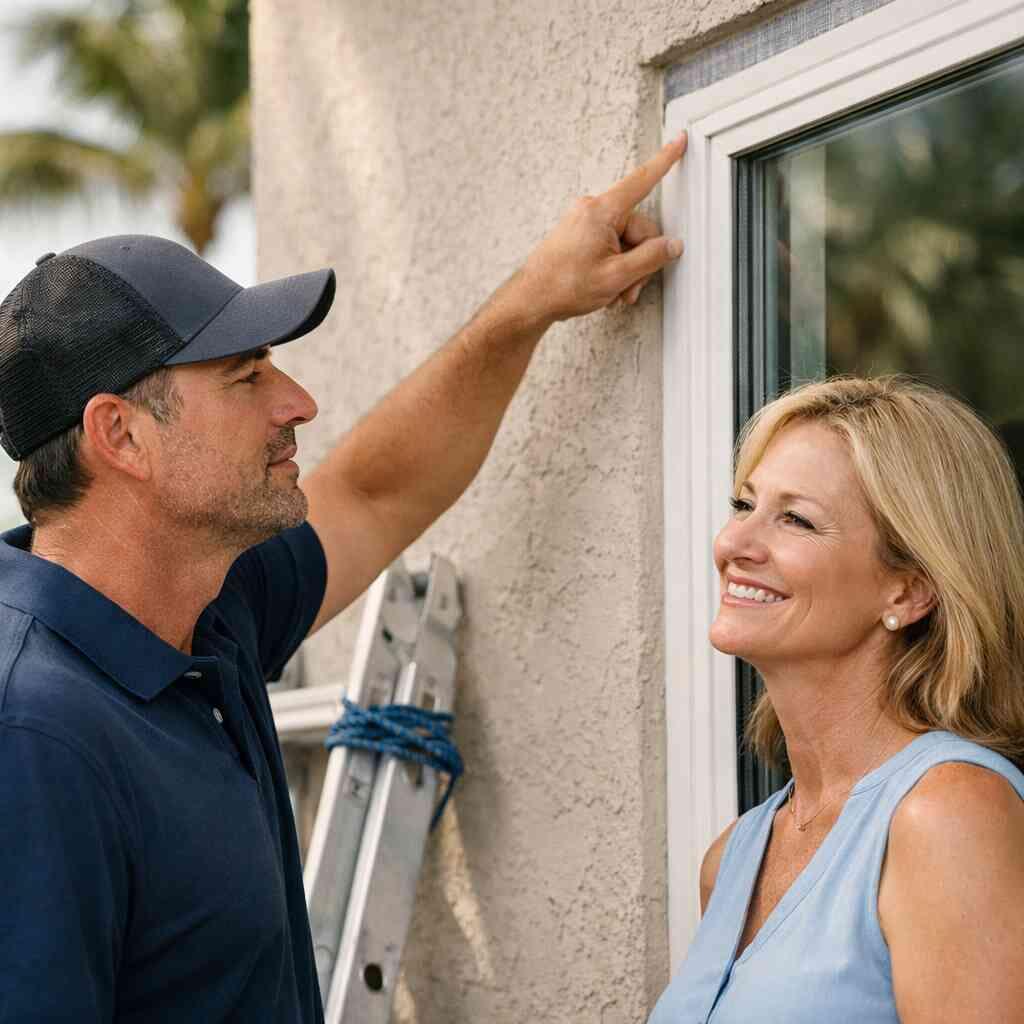
Delray Beach Coastal Code Compliance in 2026
A Delray Beach construction company has to do more than build for appearance. In 2026, coastal code compliance in Delray Beach means designing and constructing for wind, moisture, flood risk, and corrosion at the same time. A project can look fine from the street and still fail where salt air and storm conditions are strongest.
Why coastal projects are different
Work near the water is not the same as inland construction. The closer a property is to the coast, the more each detail matters. Fasteners, flashing, roof edges, wall penetrations, and window systems all face tougher conditions. Salt air speeds up wear. Strong wind tests connections. Flood rules shape how low parts of a structure can sit and how water is managed.
That is why a Delray Beach remodeling contractor has to think beyond finishes. A project needs durability, code awareness, and careful sequencing. If one part of the envelope is weak, the whole system can suffer.
The real meaning of code compliance
Coastal code compliance is not just passing an inspection. It is building in a way that reduces risk over time. That includes:
- Roof systems that resist uplift
- Window and door openings that are properly rated and installed
- Sealed penetrations to limit water intrusion
- Corrosion-resistant materials where exposure is high
- Structural details that match local wind and flood conditions
These are not extras. They are part of basic performance in a coastal environment.
A common mistake is treating a coastal project like a standard remodel. That approach can lead to leaks, premature deterioration, or costly repair work later. The better approach is to plan for the environment from the start.
Barrier island work needs a different mindset
Barrier island construction often requires more careful detailing than inland work in Palm Beach County. Moisture lingers longer. Wind can be more aggressive. Exterior materials age faster. Even a small repair or addition may need stronger protection than a similar project farther west.
For a custom home builder in Delray Beach FL, that means every choice matters. For a simple home renovation Delray Beach project, it still means the same thing. The scale may be smaller, but the environmental demands are not.
Some of the most important decisions happen early:
- Is the structure in a higher wind exposure area?
- Do the plans account for flood conditions?
- Are the wall and roof assemblies designed for long-term moisture control?
- Are the materials appropriate for coastal exposure?
Good answers to those questions help prevent problems before they start.
Where the Florida Building Code shows up on site
The Florida Building Code affects more than paperwork. You can see it in the way a project is framed, tied down, sealed, and finished. In coastal work, the code is often reflected in practical details such as:
- Roof uplift resistance
- Impact window installation
- Proper flashing around openings
- Structural anchoring and tie-downs
- Stucco and exterior wall detailing
Roofing is one of the clearest examples. A roof has to do more than shed rain. It also has to stay attached under wind pressure and hold up under repeated exposure to heat and moisture.
Windows are just as important. Impact glass, correct anchoring, and careful perimeter sealing help protect the building envelope. Poor installation can undermine even a high-quality product.
Stucco and exterior finishes deserve attention too. Small cracks or weak transitions can allow water into the wall assembly. Once moisture gets in, damage can spread quietly.
Why inspections alone are not enough
A project can pass a quick visual check and still have weak points. That is why experience matters. Coastal construction should be evaluated both for code compliance and for long-term performance.
A thoughtful contractor looks at the whole system:
- How water will move away from the building
- How materials will age in salt air
- Whether exposed metal parts are vulnerable to corrosion
- Whether the installation method supports the product rating
- Whether the design creates maintenance issues later
This is especially important in renovation work. When walls, openings, or roof sections are altered, the change can affect structure, water management, and permit requirements all at once.
Practical lessons for property owners
If you are planning work near the coast, it helps to review the project with a code-first mindset. Some useful questions include:
- Are the drawings specific enough for coastal conditions?
- Does the scope include proper waterproofing and flashing?
- Are materials selected for salt-air exposure?
- Will the work support wind mitigation and long-term durability?
- Are structural changes being reviewed before construction starts?
These questions can save time and reduce frustration. They also help keep the project aligned with the conditions of the site, not just the appearance of the finished work.
The bottom line
Delray Beach coastal construction in 2026 requires more than standard building practices. It calls for careful attention to structure, materials, sealing, drainage, and code compliance. A project that performs well near the coast is one that respects wind, water, and corrosion from the beginning.
Whether you are planning a remodel, a repair, or a new build, the safest approach is to treat coastal details as core requirements, not optional upgrades. That mindset is what helps a project look good, pass inspection, and last in a harsh environment.
Delray Beach Construction Company on Coastal Code Compliance 2026


Comments
Post a Comment